Limestone Heritage and River Runs: Discovering Guelph
Guelph, Ontario earned the nickname "The Limestone City" (a title it friendly-combats with Kingston) for good reason. Founded in 1827 by Scottish novelist John Galt, the town was deliberately designed to mimic a European city, complete with radial streets fanning out from a central point. As you wander along the Speed River and through the historic core, the glittering locally-quarried limestone buildings make you feel less like you are in Southwestern Ontario and more like you've slipped into a Victorian time capsule.
But it’s not all buttoned-up 19th-century elegance. Along the way, you’ll find industrial ruins slowly being reclaimed by nature, quirky public art installations, and a massive steam engine parked right in the middle of town. Pack your best walking shoes and prepare for an afternoon tracking the rails, rivers, and ruins of one of Ontario’s most distinct cities.
Our journey attempted to begin on the quiet outskirts of Guelph, at West Montrose near the Covered Bridge (Kissing Bridge). However the Bridge is currently under rehabilitation (until end of 2026) for $12 million by Region of Waterloo, so we will look at the banks of the Grand River nearby.
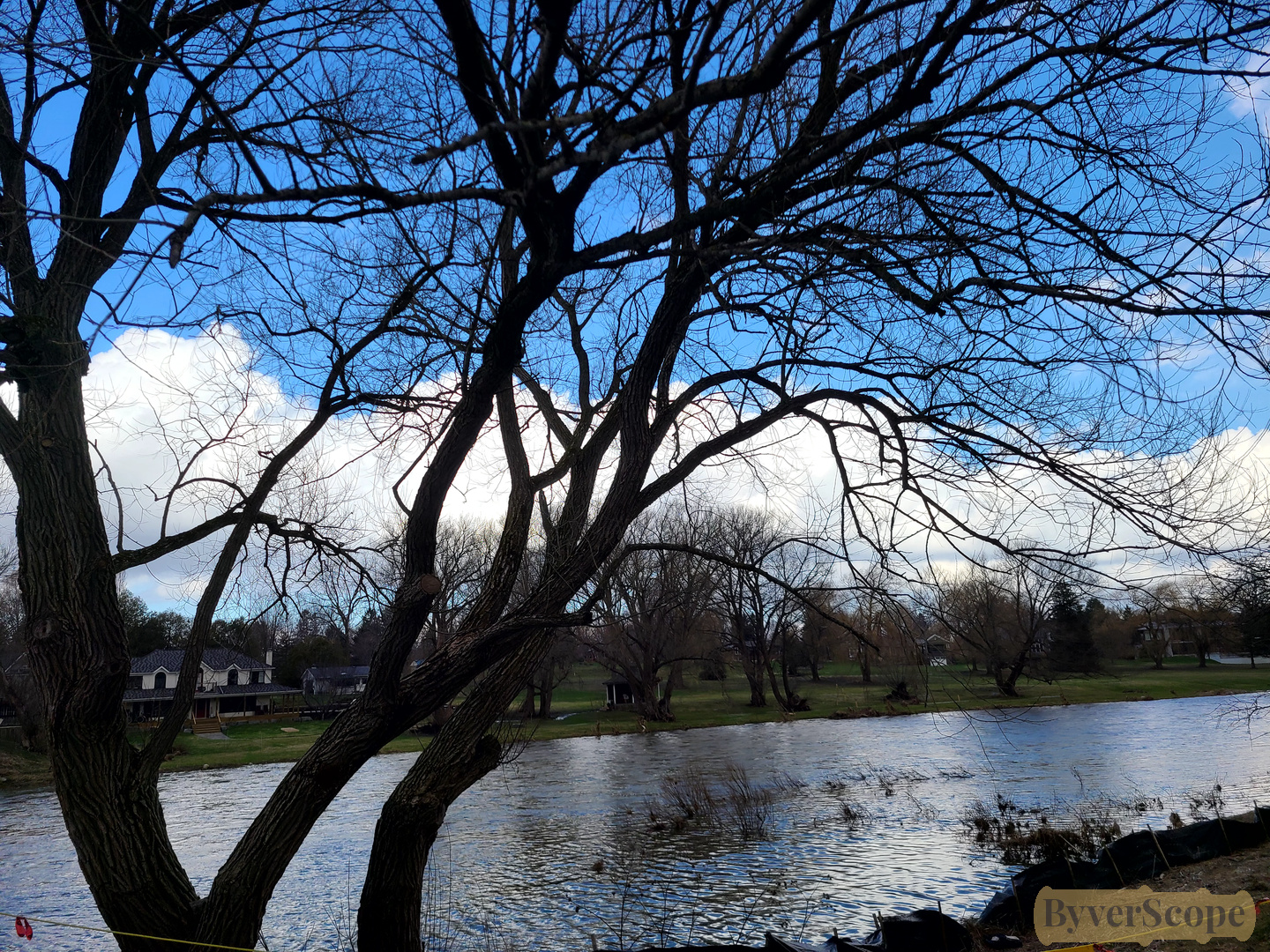
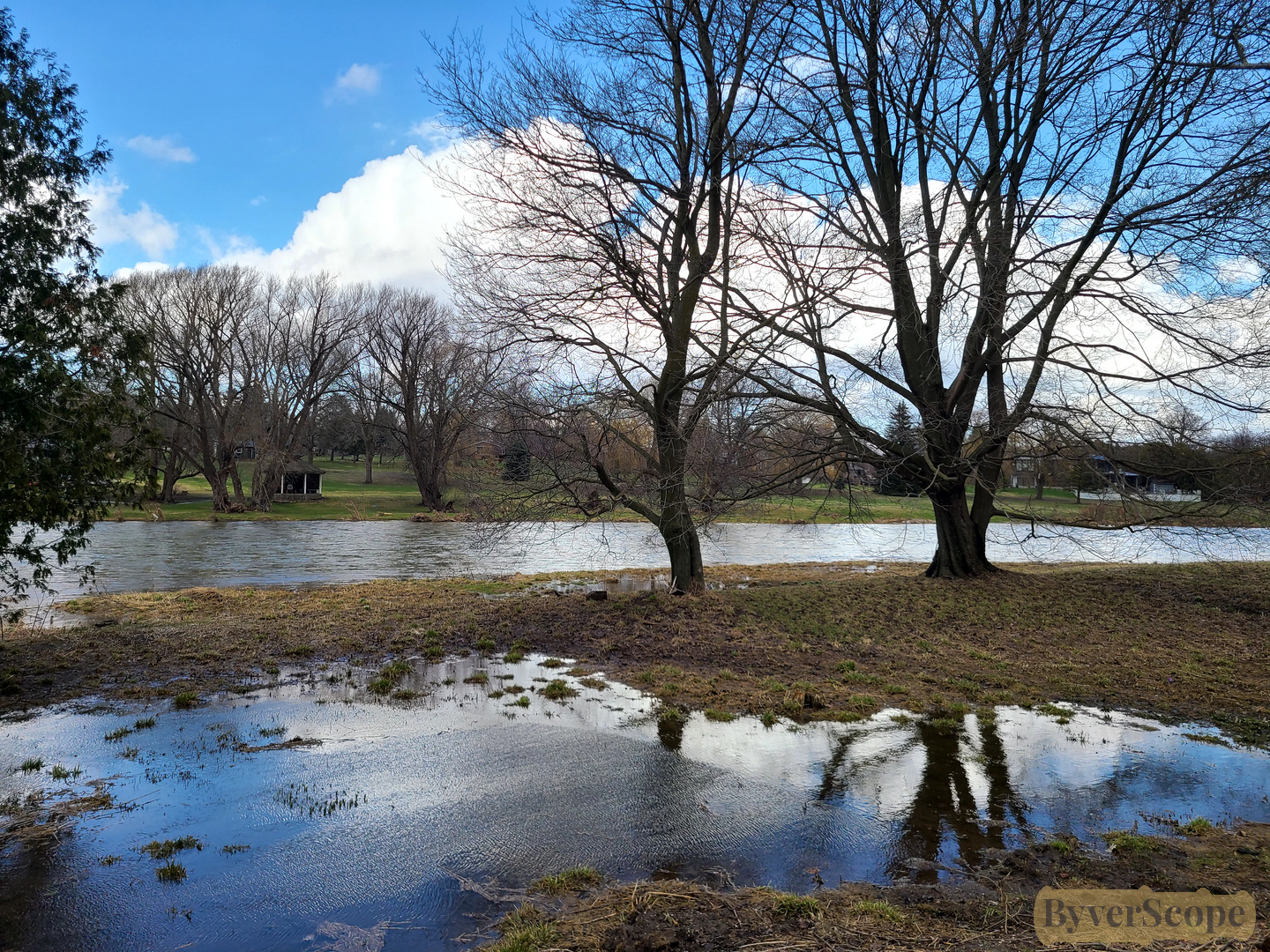
Melting snow and spring rains have left the low-lying fields alongside the river banks thoroughly flooded, turning the landscape into a sprawling network of reflective puddles.
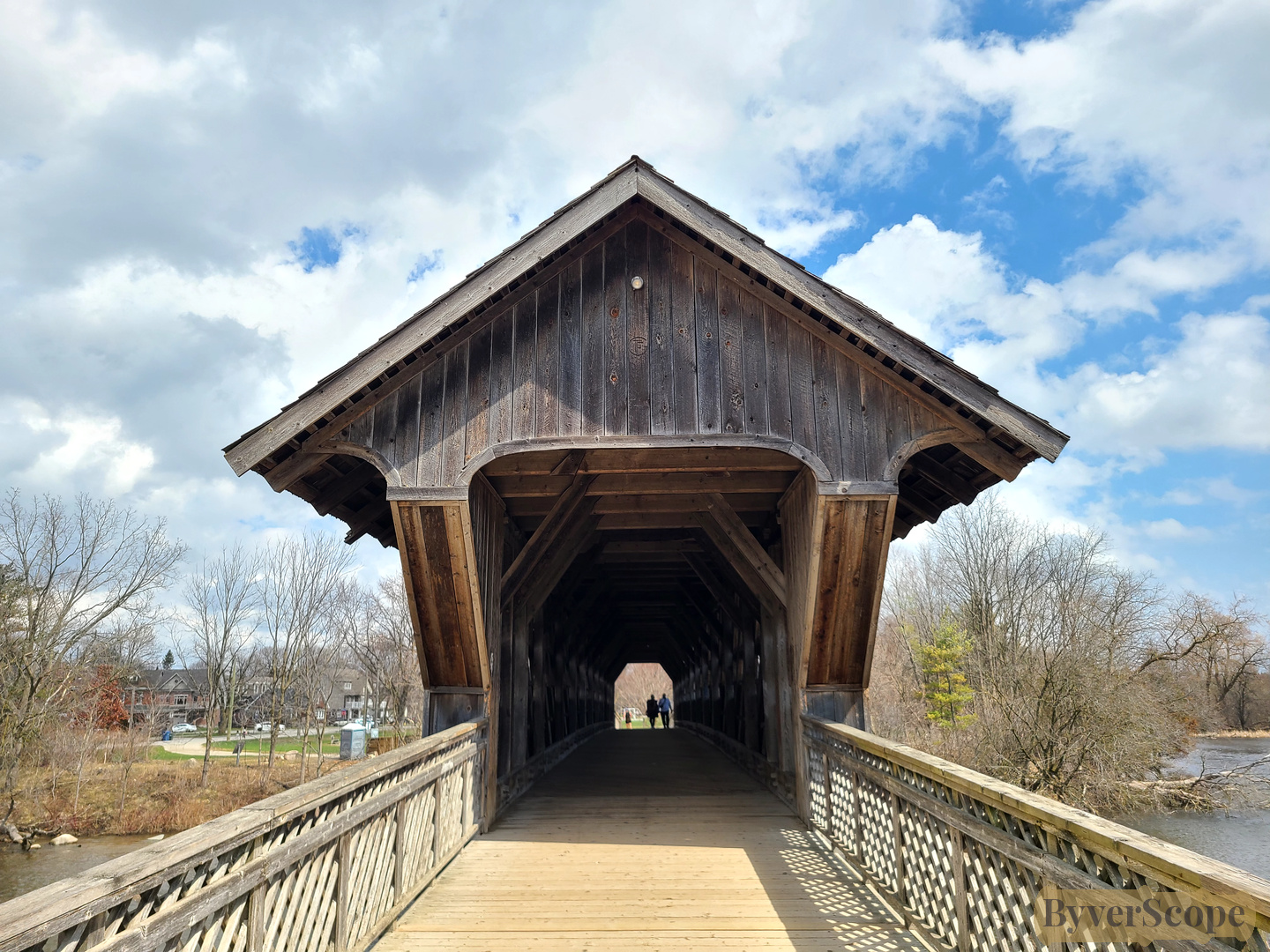
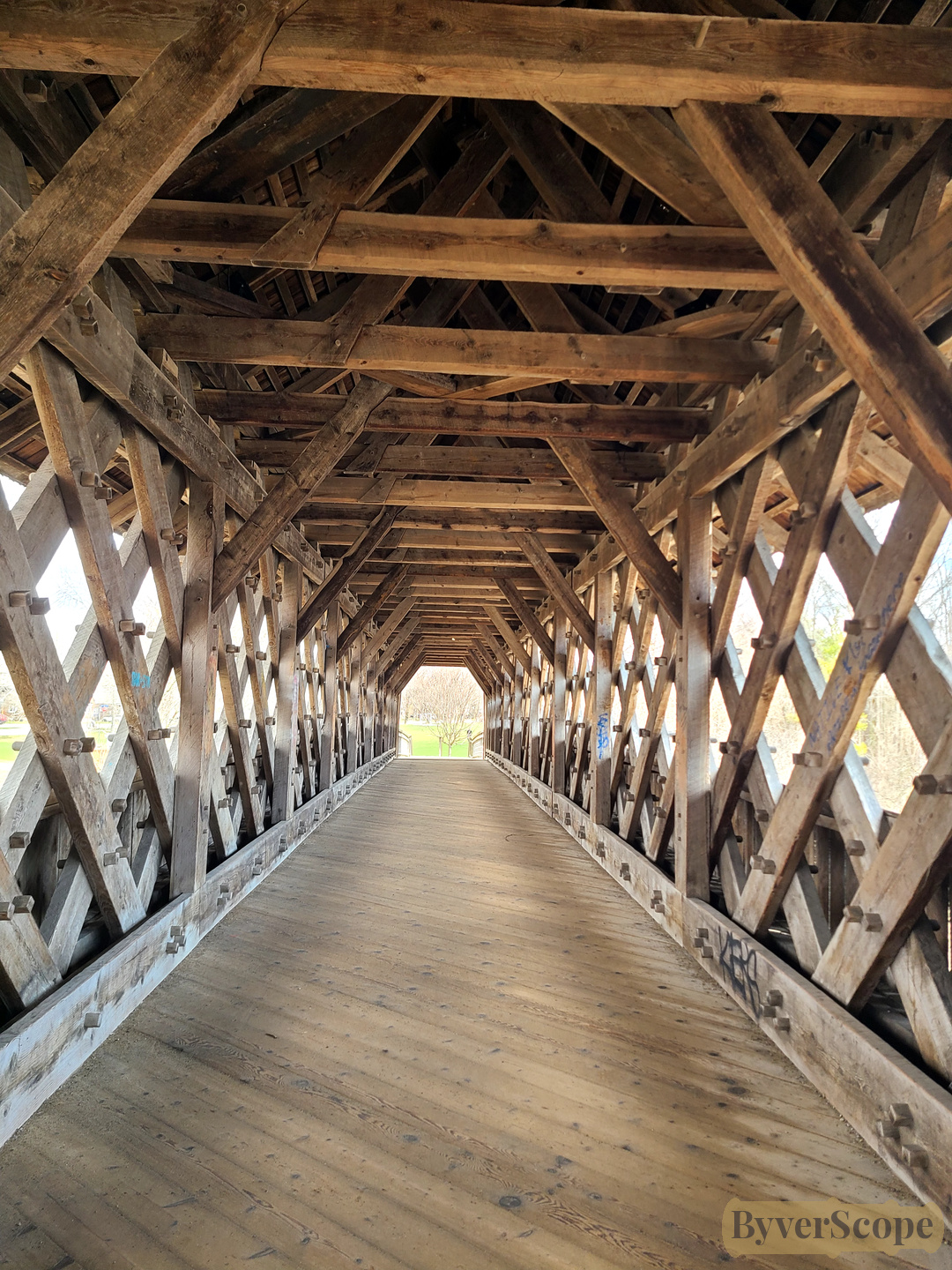
Instead we will start at the famous Guelph Covered Bridge (also known as the Lattice Covered Bridge). Built in 1992 by timber framers using traditional 1800s methods, it is one of the few authentic covered bridges in Ontario. It marks the start of the 132km long trail all the way to Goderich over the old railway corrodor.
The bridge gracefully spans the Speed River. The bridge was built by about 400 volunteers in 1992. Trusses were assembled by hand, rolling the frame over the water, and lifting it into place with two cranes
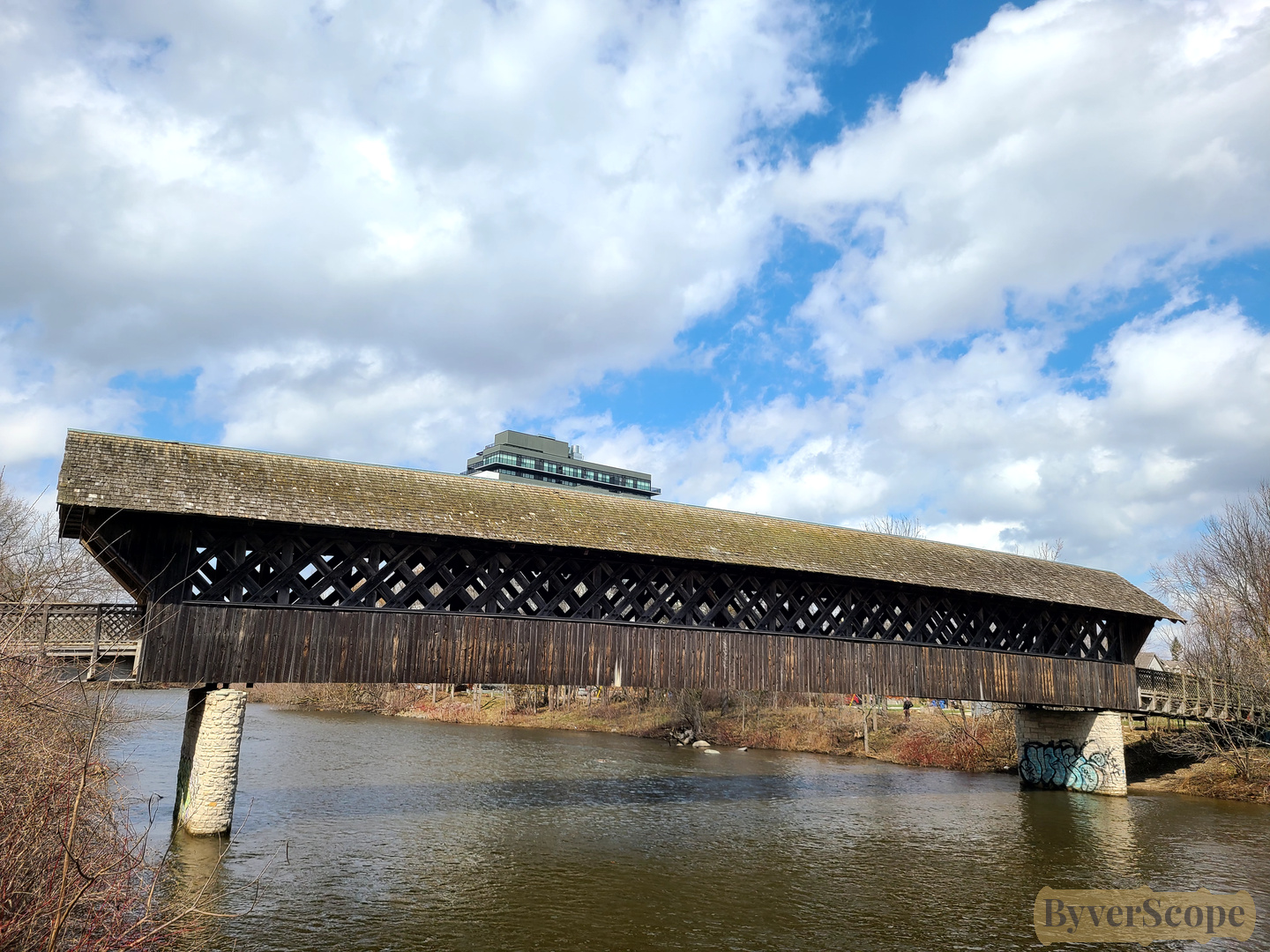
Inside, the intricate lattice of the wooden truss design creates a beautiful, repetitive geometric pattern.
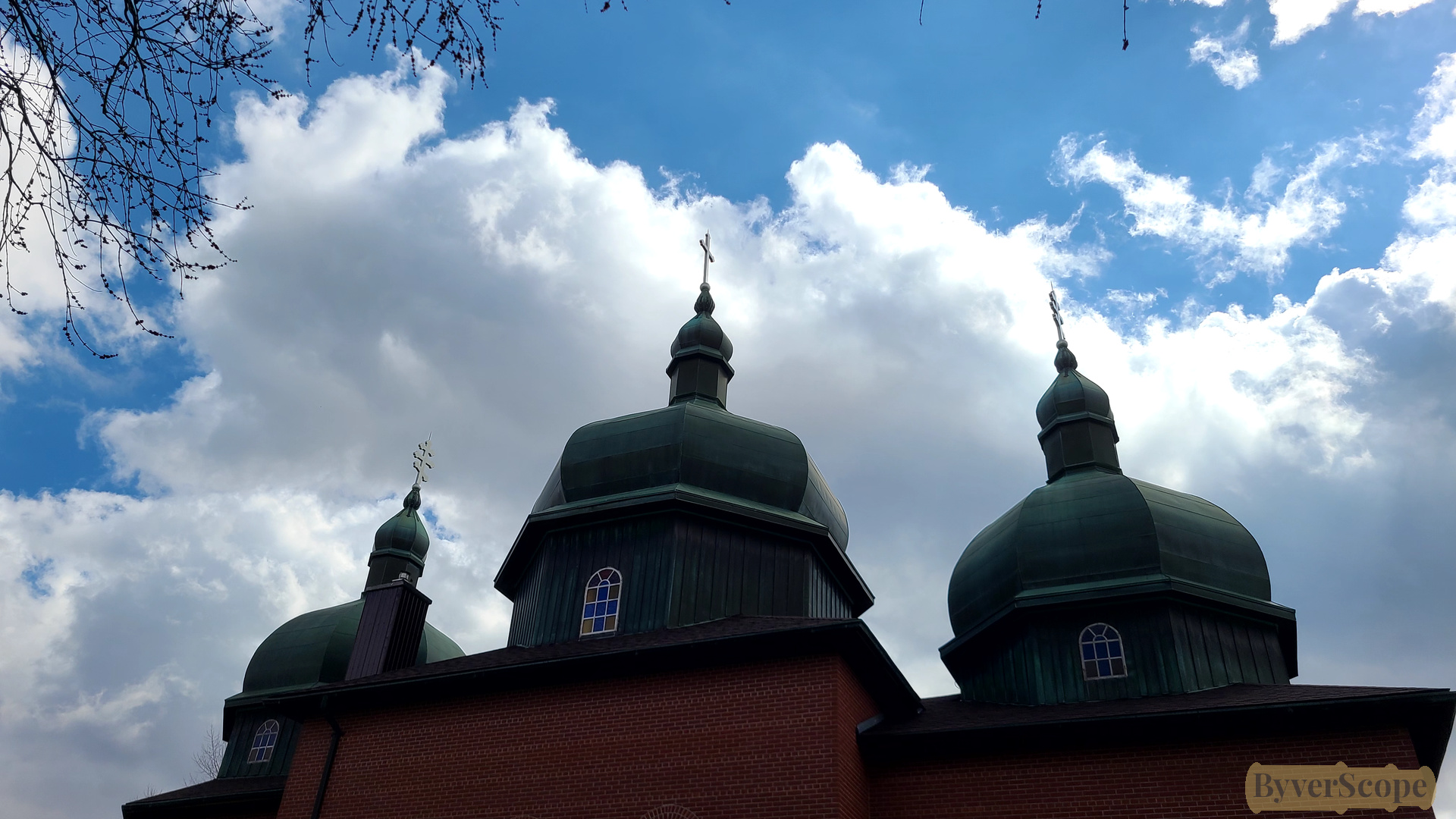
If you walk across the field from the bridge and look up, a brilliant contrast between the deep red masonry, the weathered green dome of the Ukrainian Catholic Church, and the crisp blue sky highlights the city's architectural diversity.
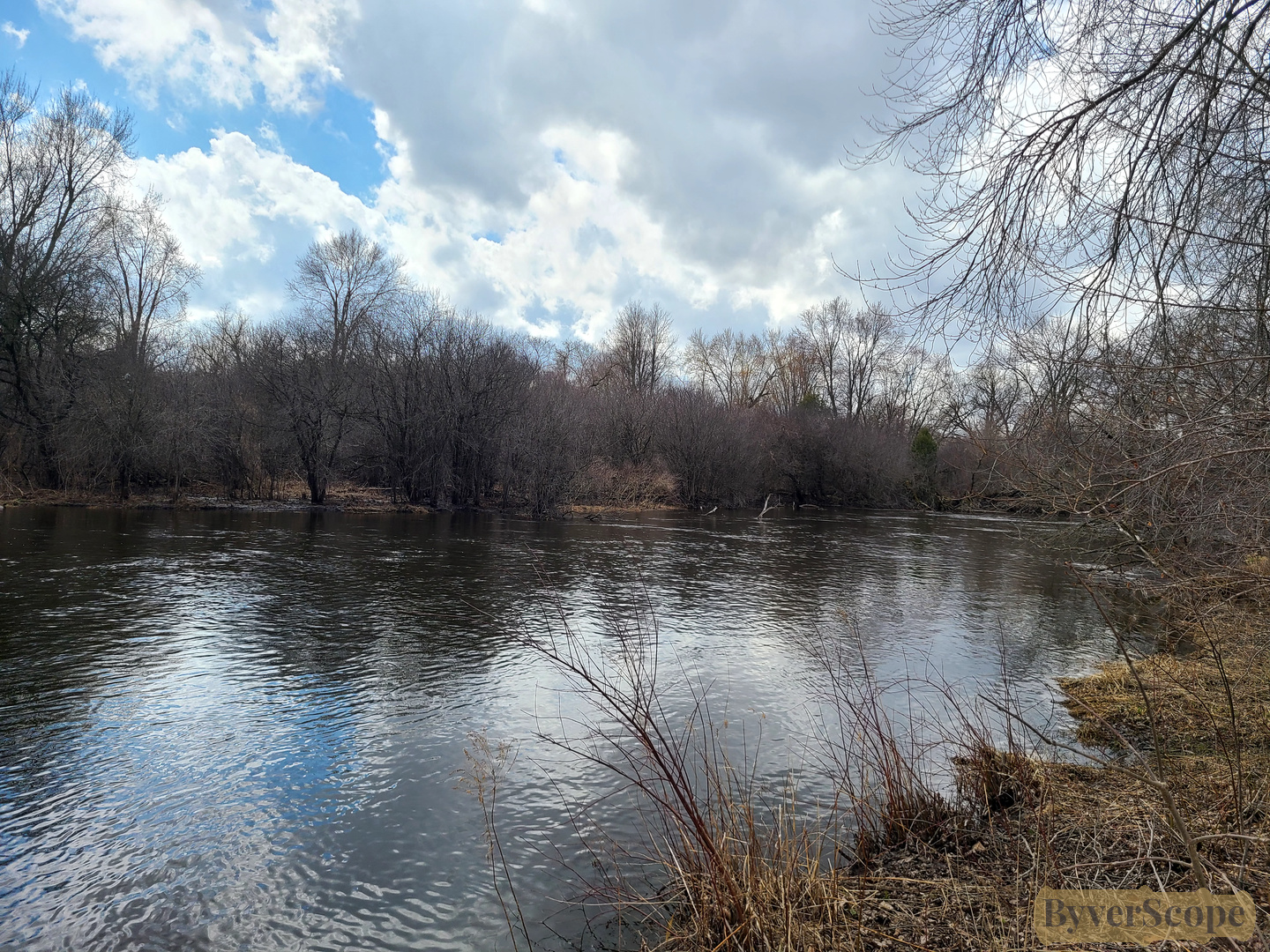
Rejoining the riverside path, the Speed River flows calmly, bordered by dry winter grass and leaning branches waiting for their first spring buds.Framed by branches, the river trail offers a peaceful, natural escape.
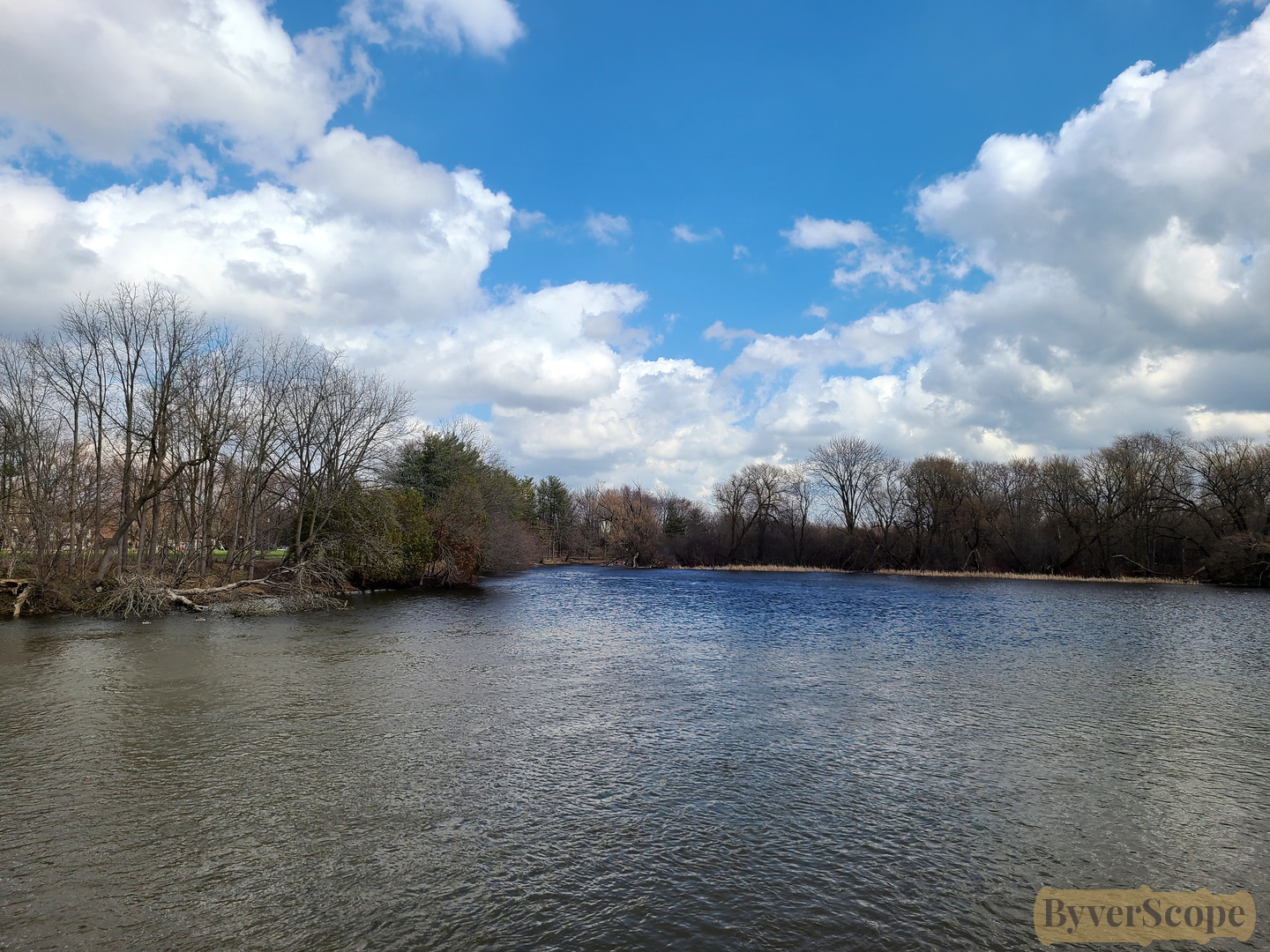
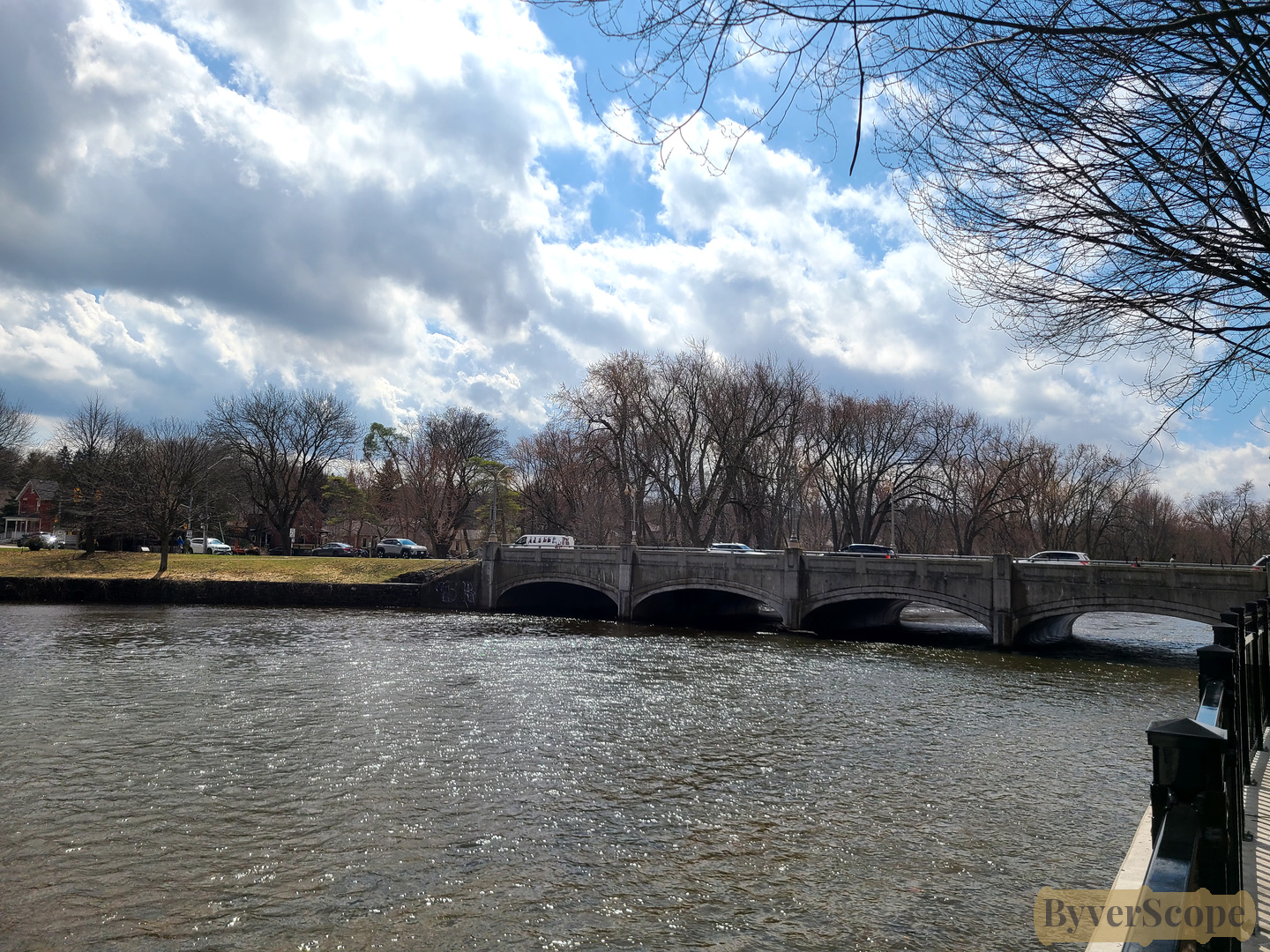
A stone arch bridge, amongst many others in this town.
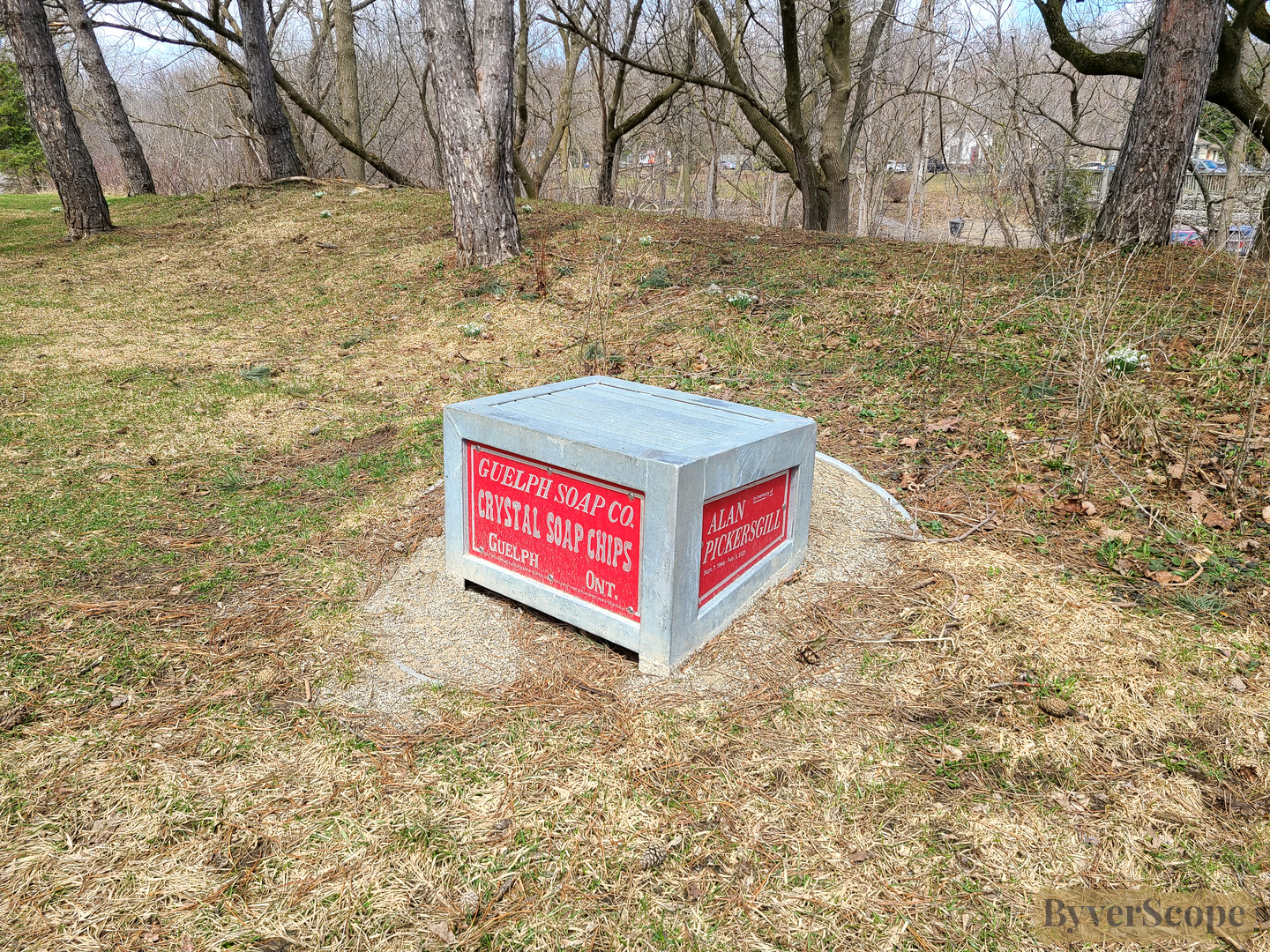
We head further to Goldie Mill Park. Tucked away in the grass, is a literal soapbox for practicing public speeches, as well as a resting spot for local chipmunks
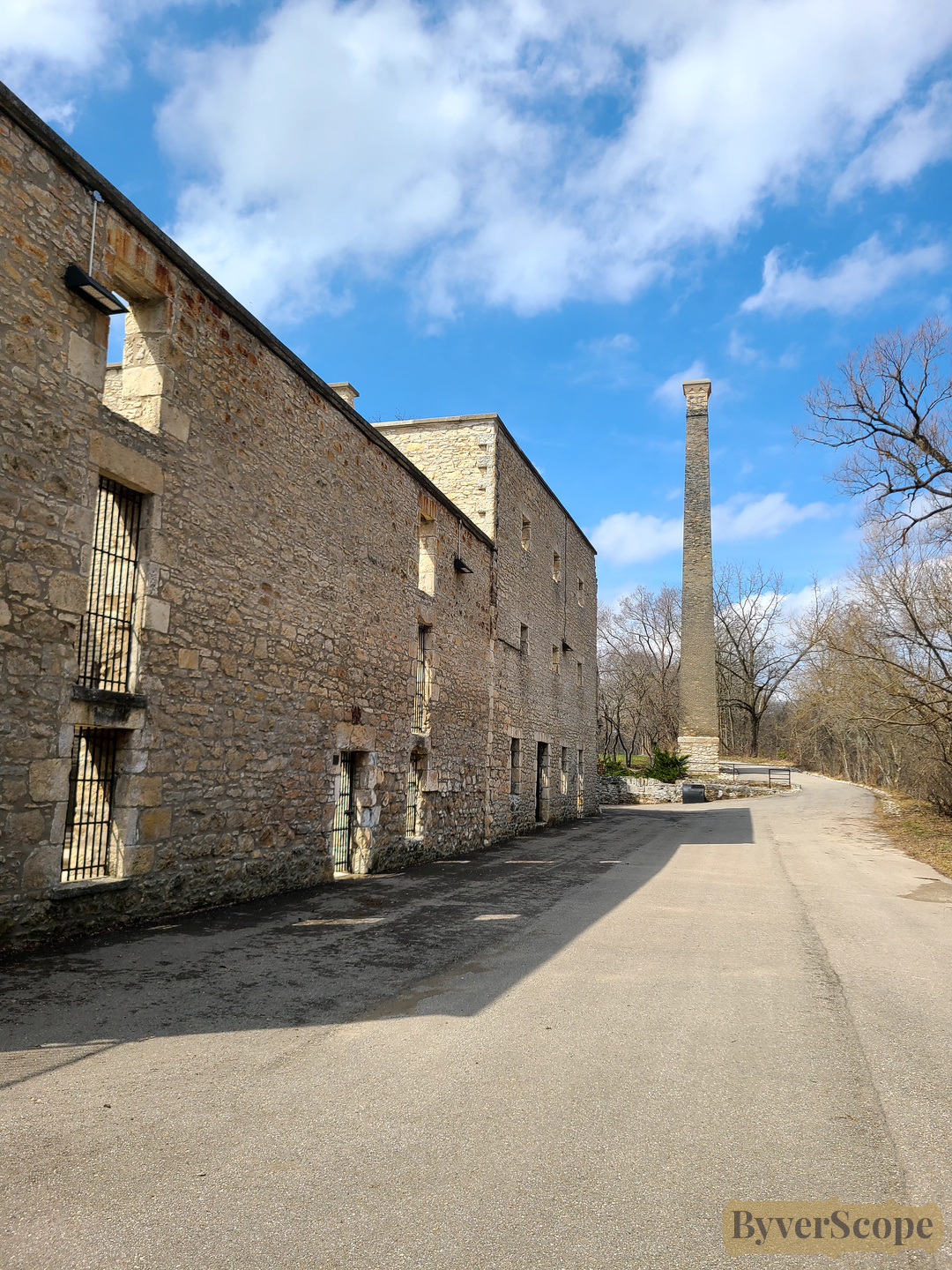
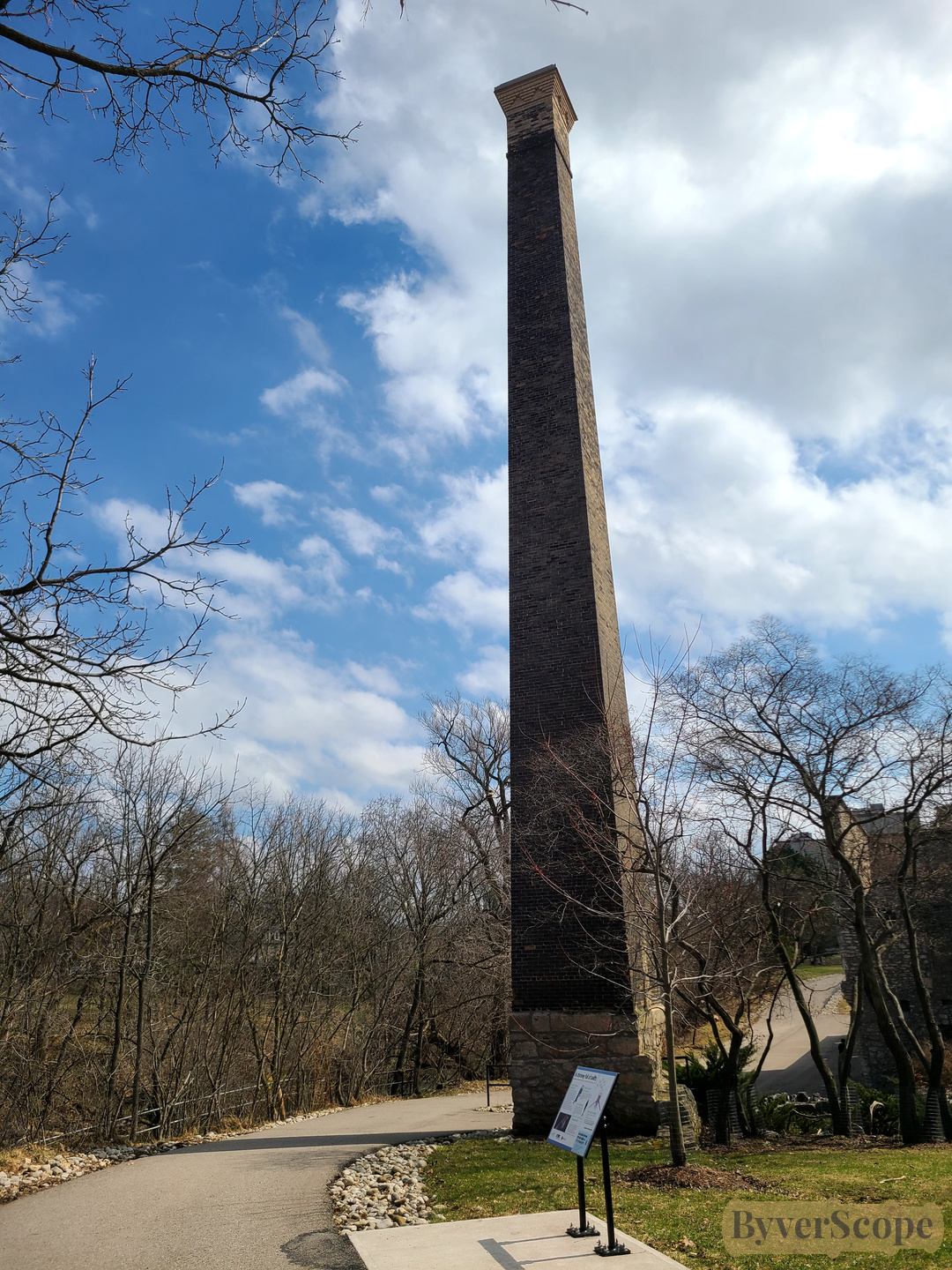
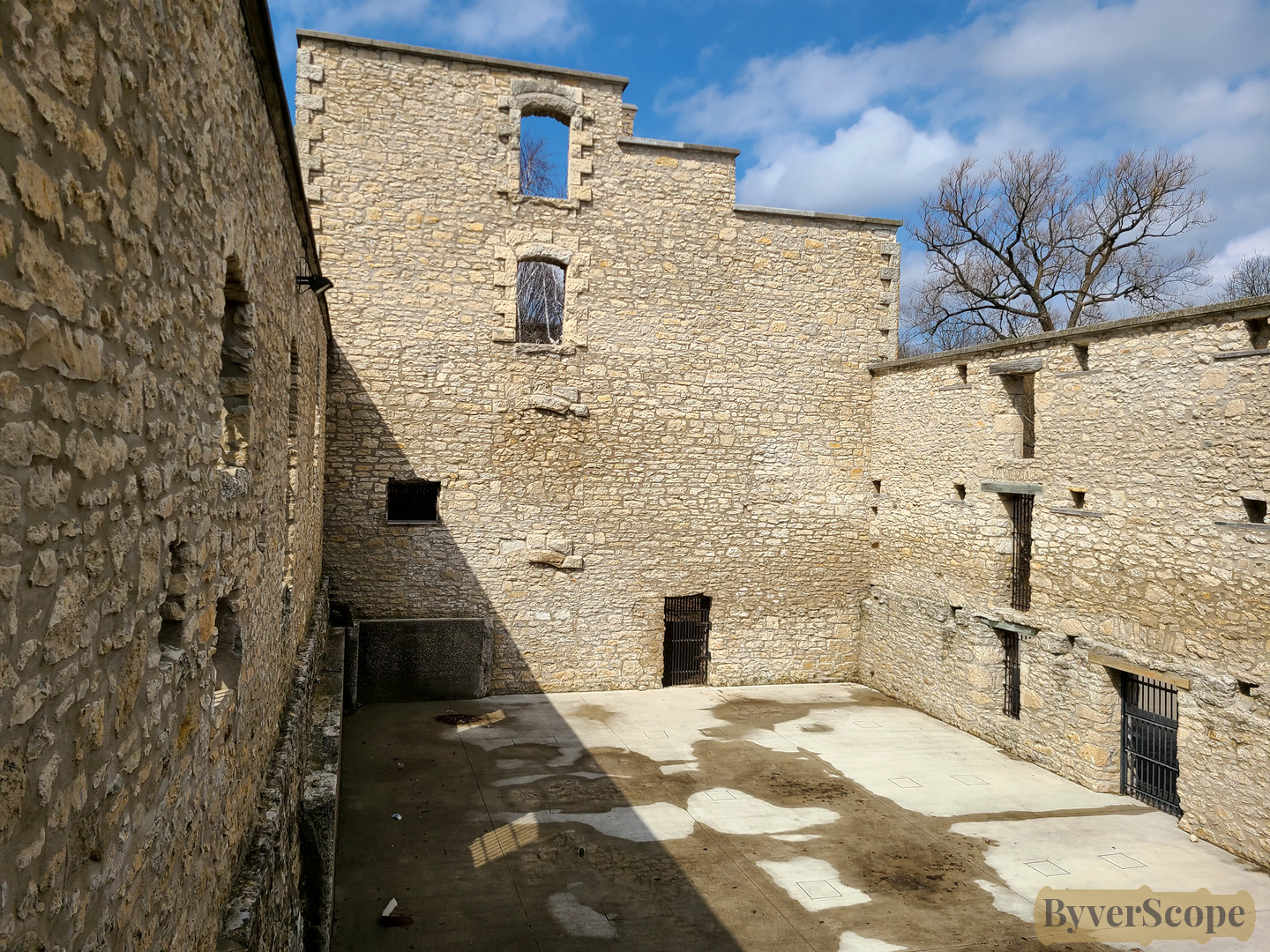
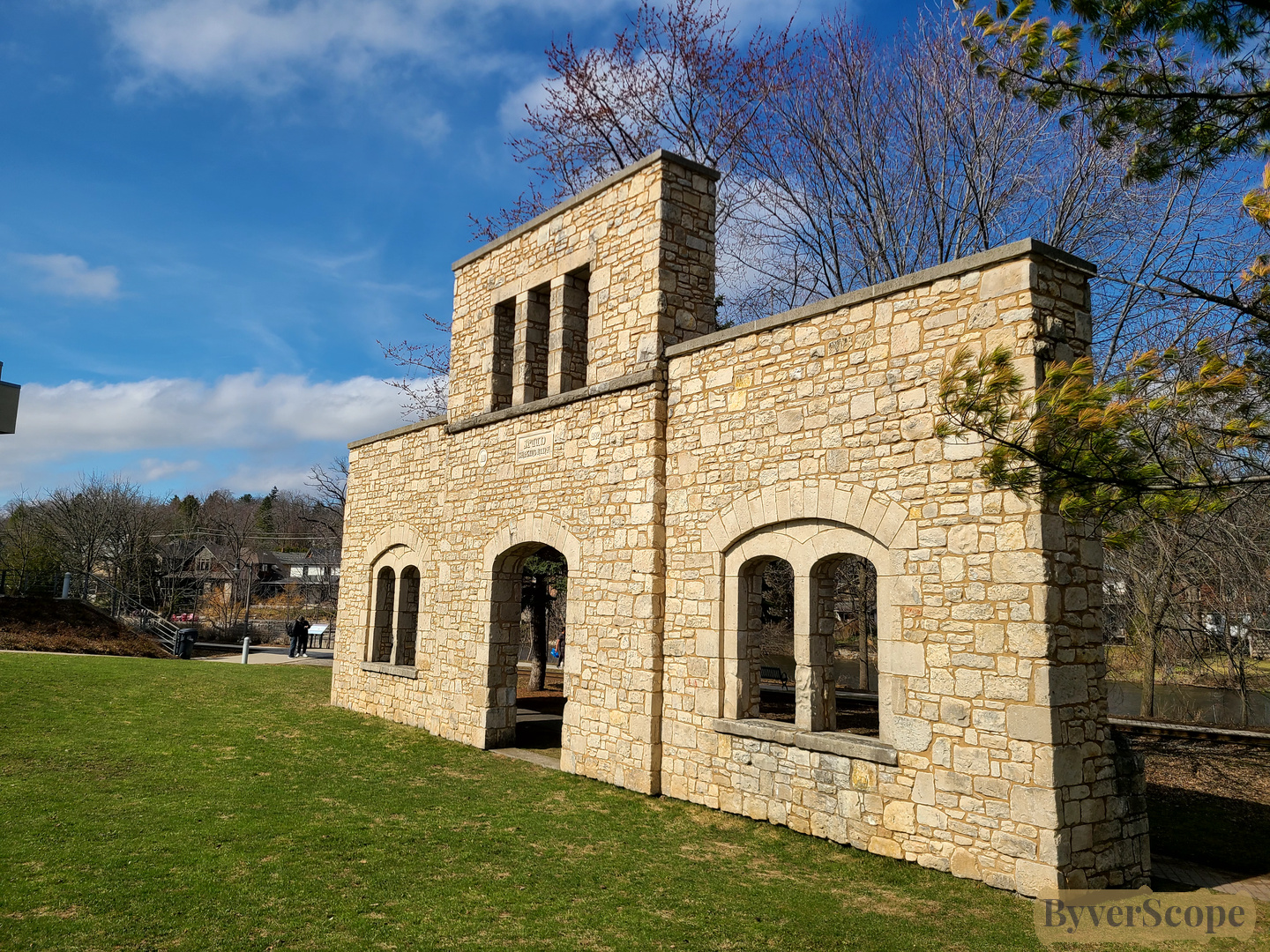
We arrive at the spectacular Goldie Mill Ruins. Once a booming flour mill operated by James Goldie in the 19th century, it survived multiple fires before closing down and being preserved as an open-air heritage site. The towering limestone chimney spikes dramatically into the blue sky next to the weathered, roofless stone walls.
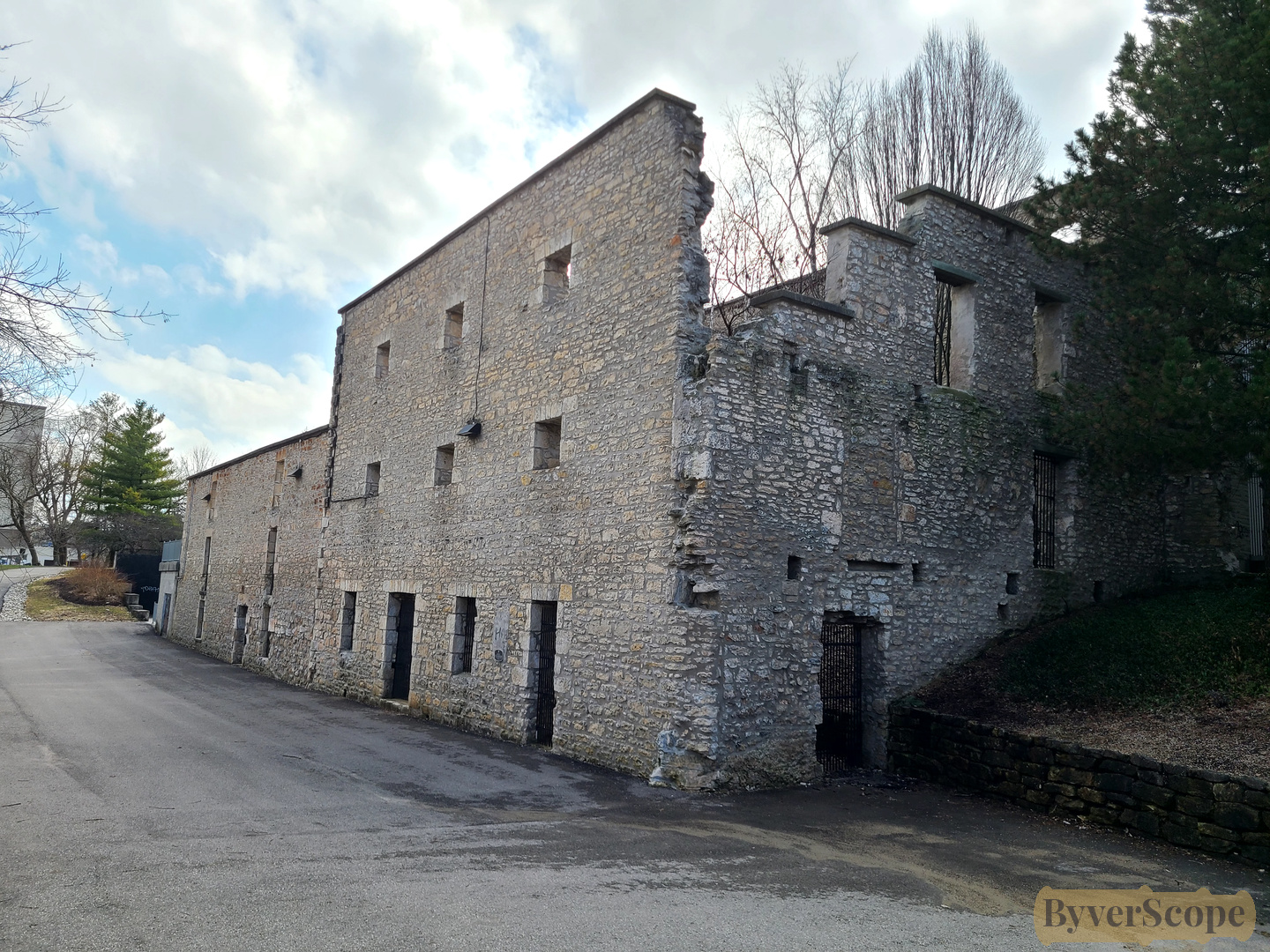
View of the ruins from another angle.
Looking straight up the 90-foot (27.4 meters) tall red brick chimney sitting securely on a heavy foundation of cut limestone blocks. It was constructed in the late 19th-century alongside to vent the steam boilers. Long past it's duty it serves as a critical nesting habitat for local Chimney Swifts.
The open floor plan of the main courtyard. These days ruins frequently serve as an atmospheric, outdoor backdrop for community events, indie theatre, live music showcases, and art installations.
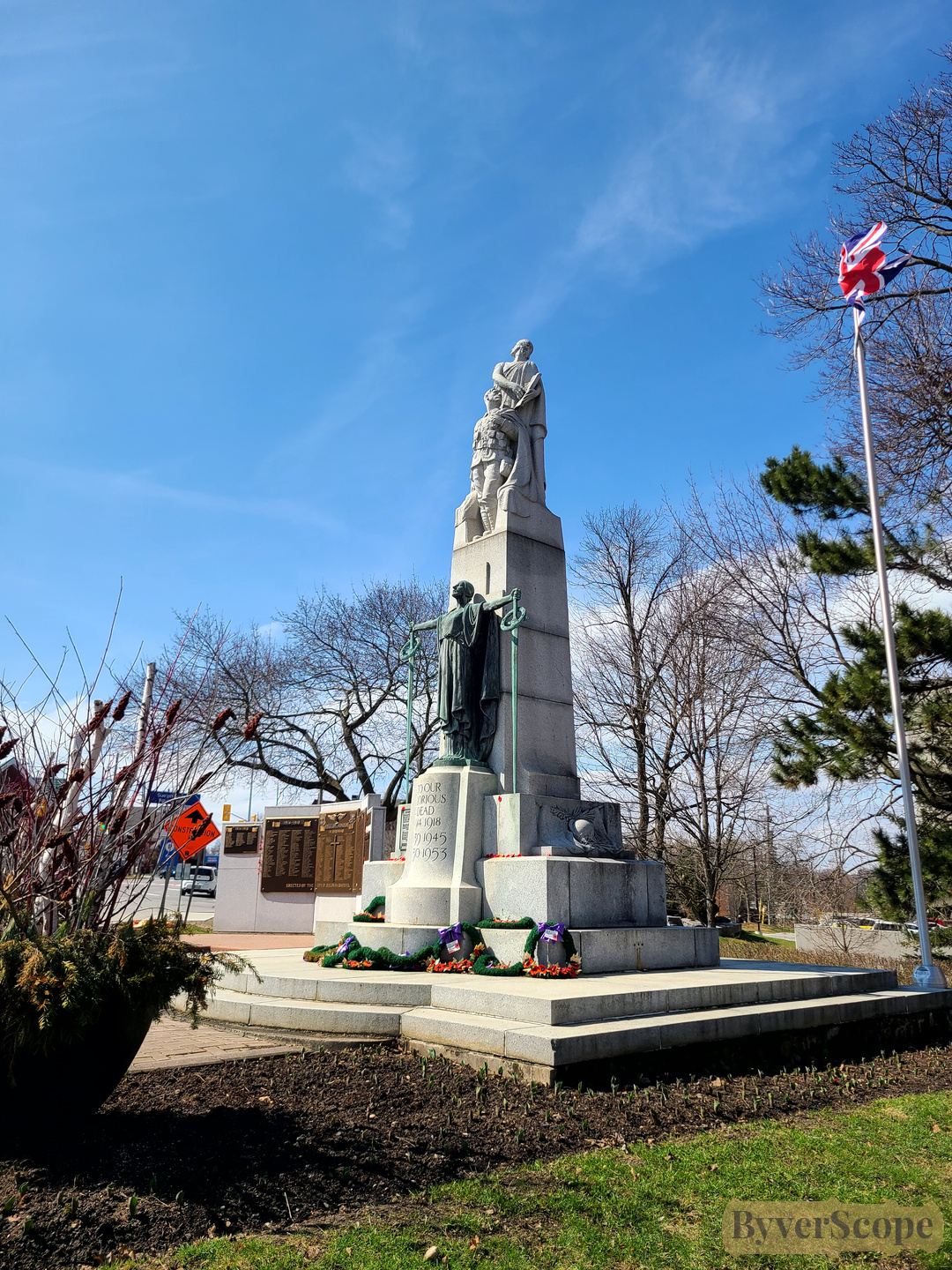
Moving into the civic center. Guelph Cenotaph stands at the corner of Woolwich Street and Eramosa Road.
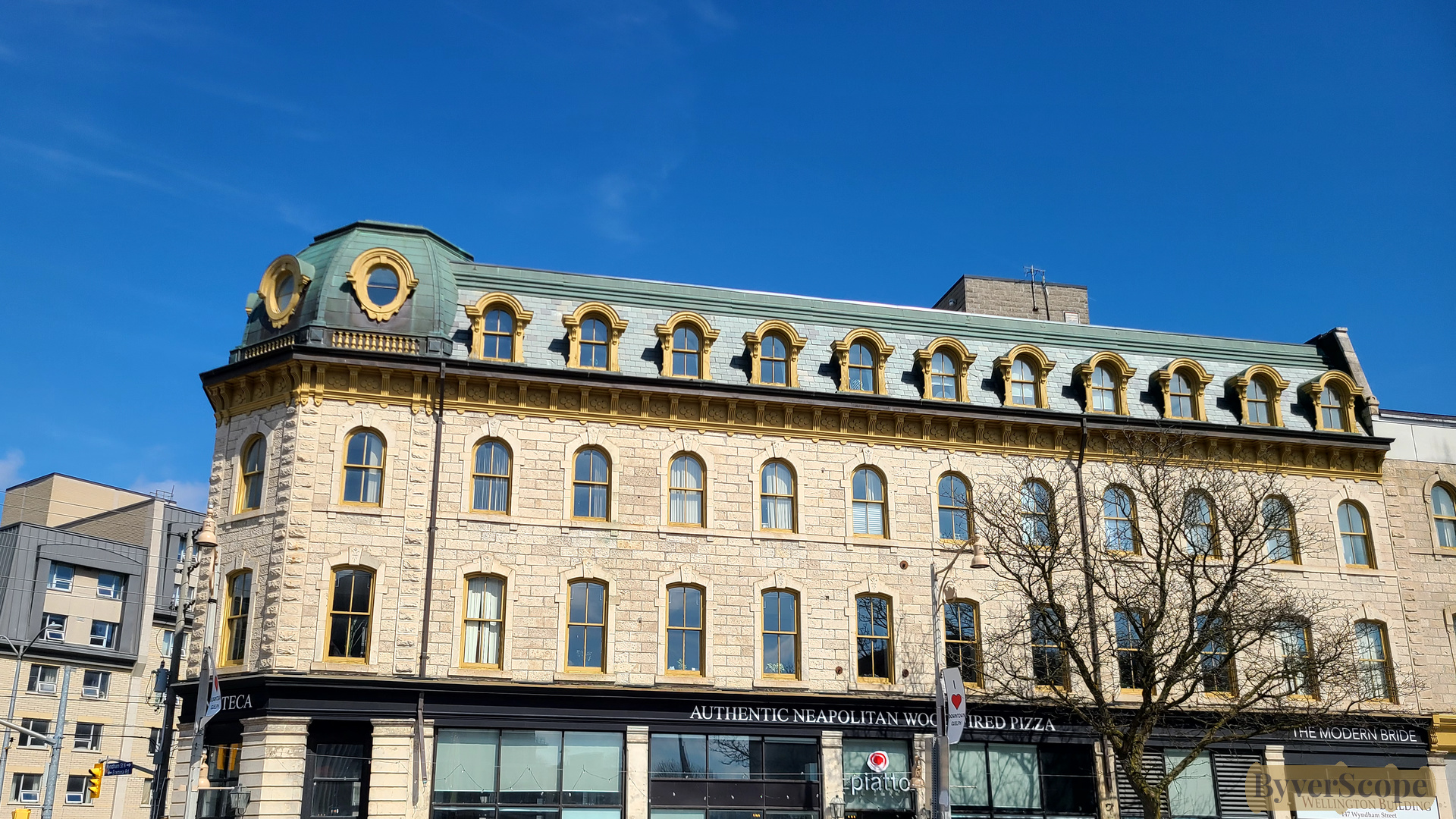
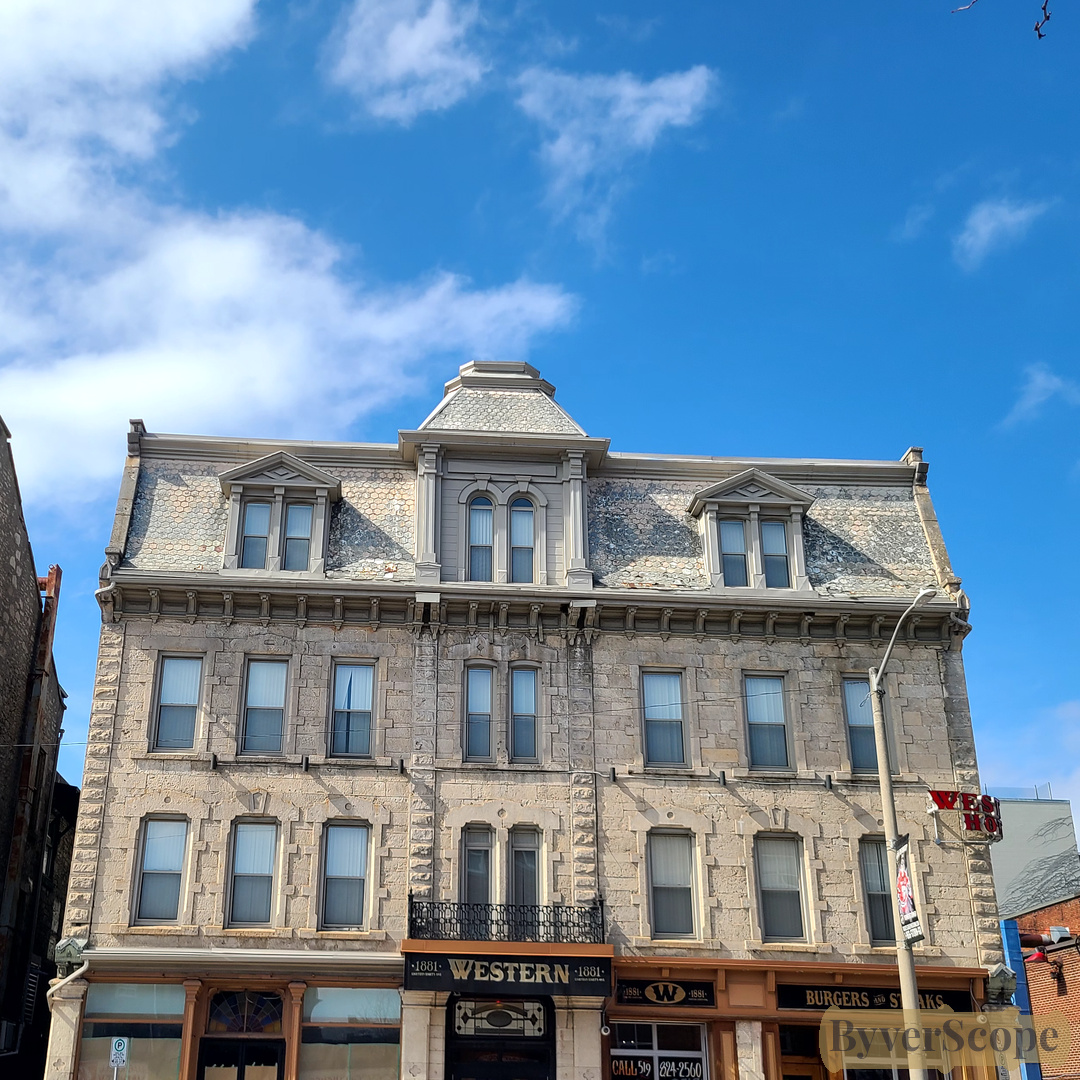
Further along Wyndham Street North we come across historic Wellington Hotel built in 1878. One of the Ontario’s finest remaining commercial examples of the Second Empire architectural style, with distintcive mansard roof lined with decorative dormer windows and a grand curved corner structure.
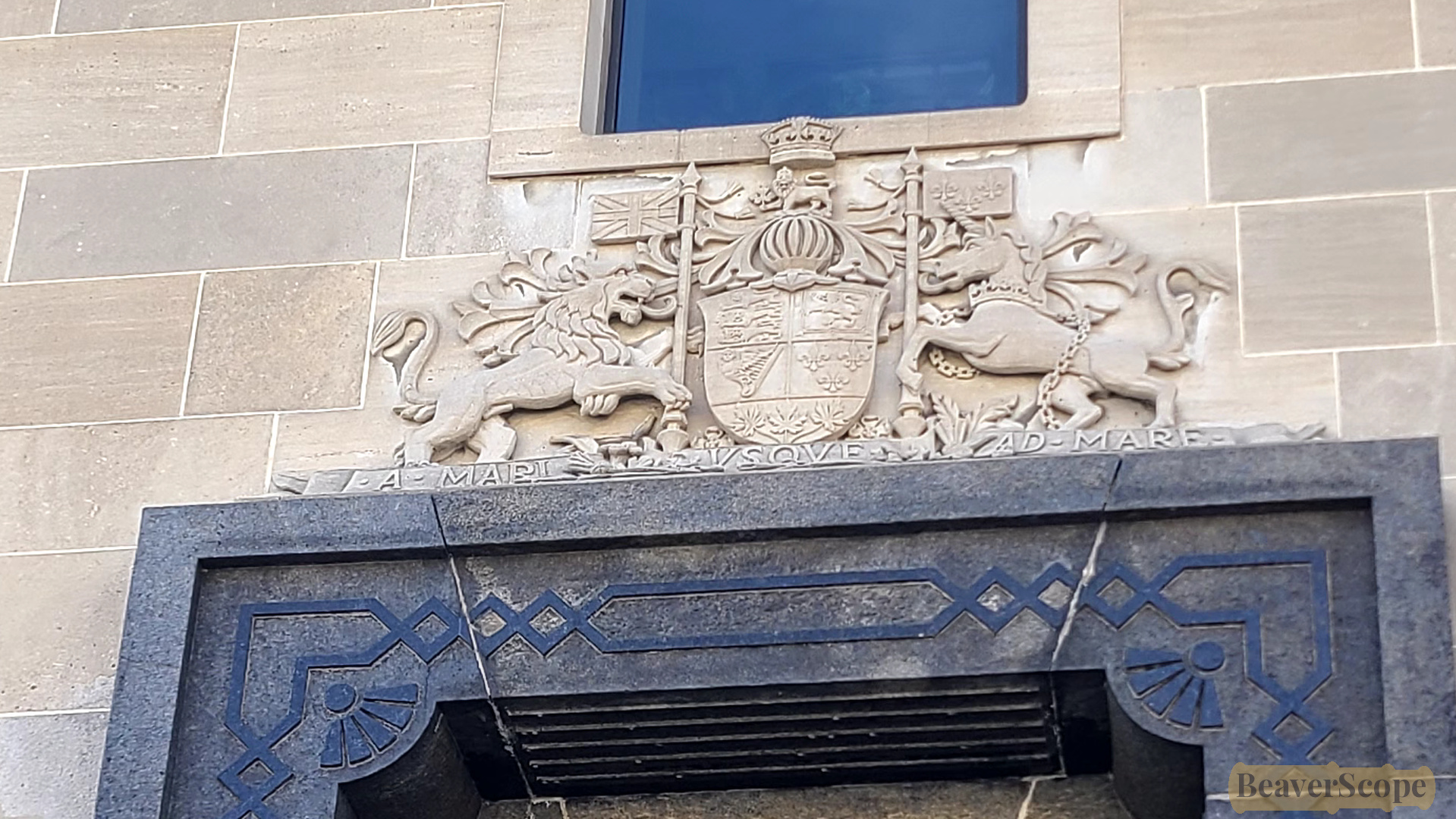
A closer look at the Dominion Public Building . A 1921 version of the Canadian Coat of Arms stone emblem is carved right above its prominent polished black granite entrance. Compare the subtle differences with the modern version from 1997.
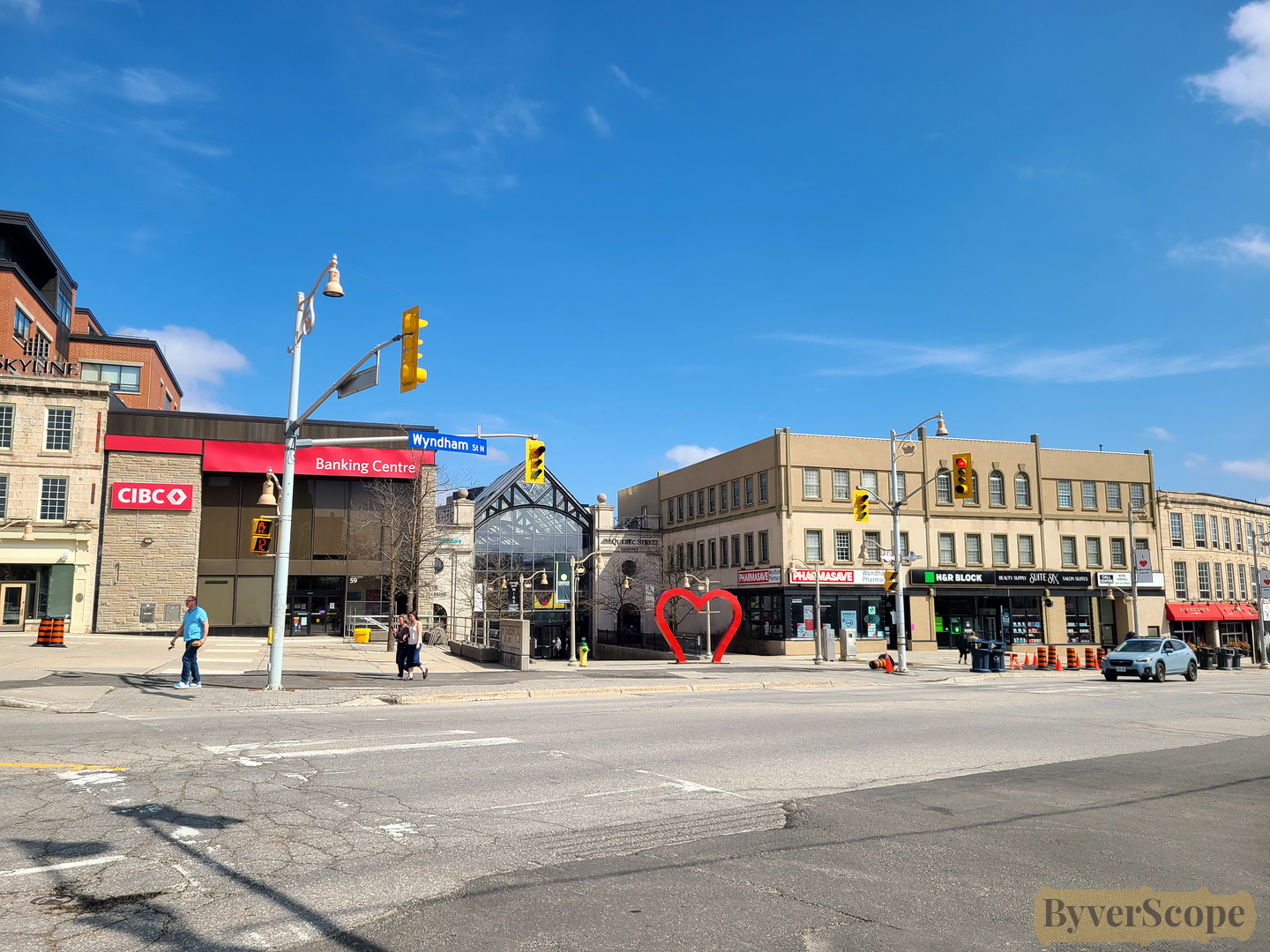
Street scene near the Quebec st and mall.
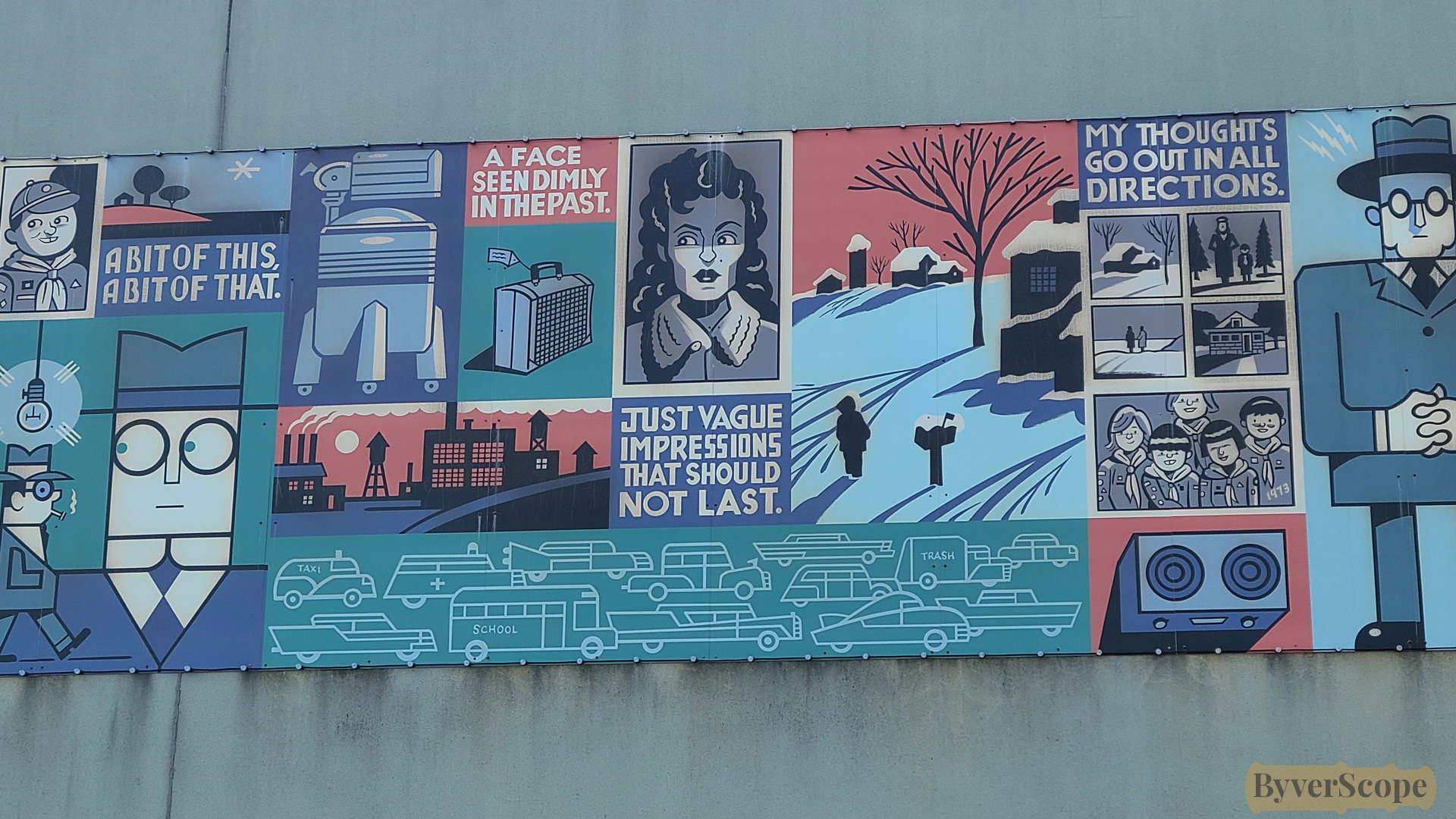
You can find all kind of unexpected murals here above parking spaces. (Move left / right to see all fragments)


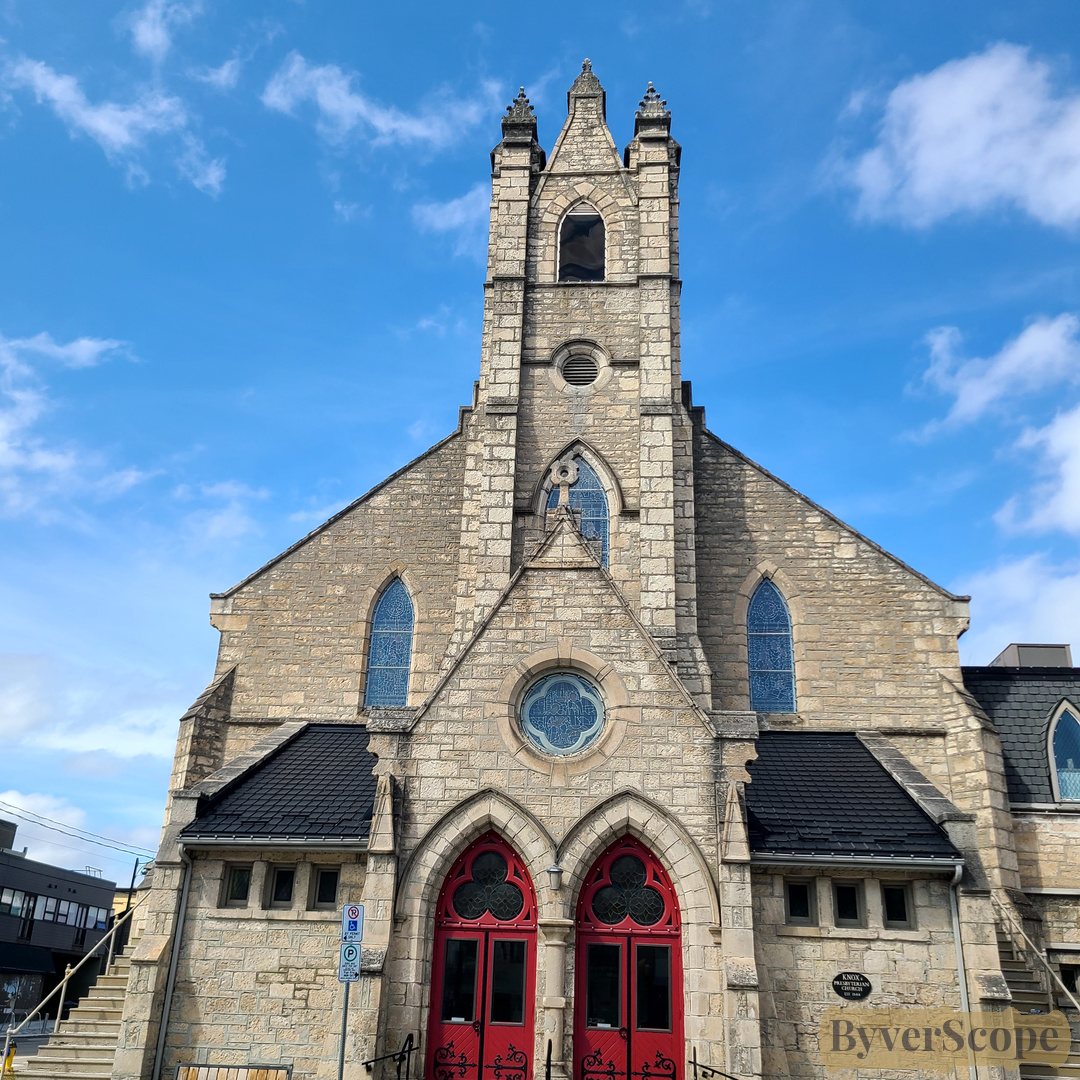
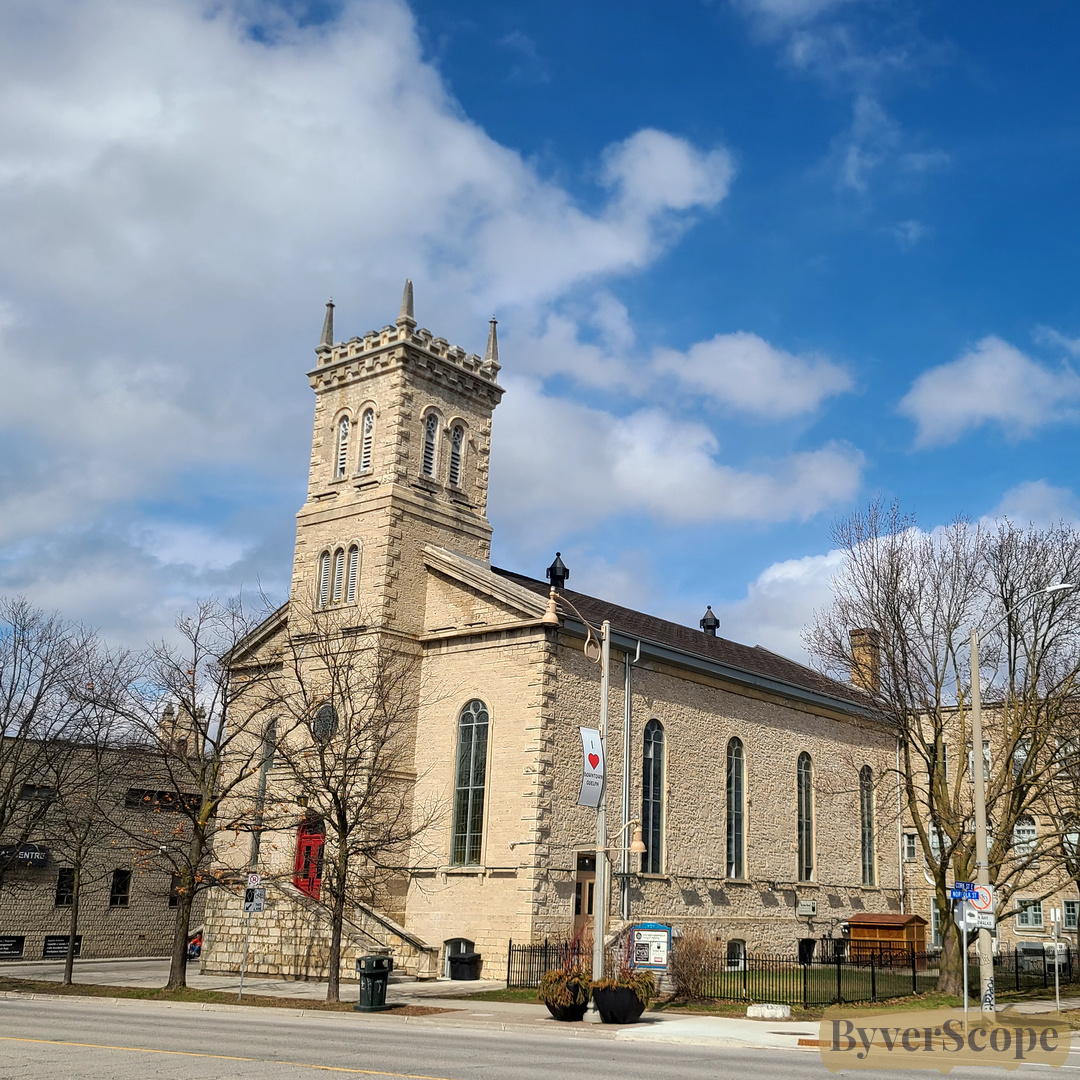
Another historic limestone church anchors a sunny street corner, featuring towering spires that cut into the afternoon sky, displaying a beautiful blend of Gothic and Victorian architectural styles, complete with bold red entry doors.
Quebec Street features a beautiful, sloping row of historic boutique shops painted in lively colors like this bright green facade.
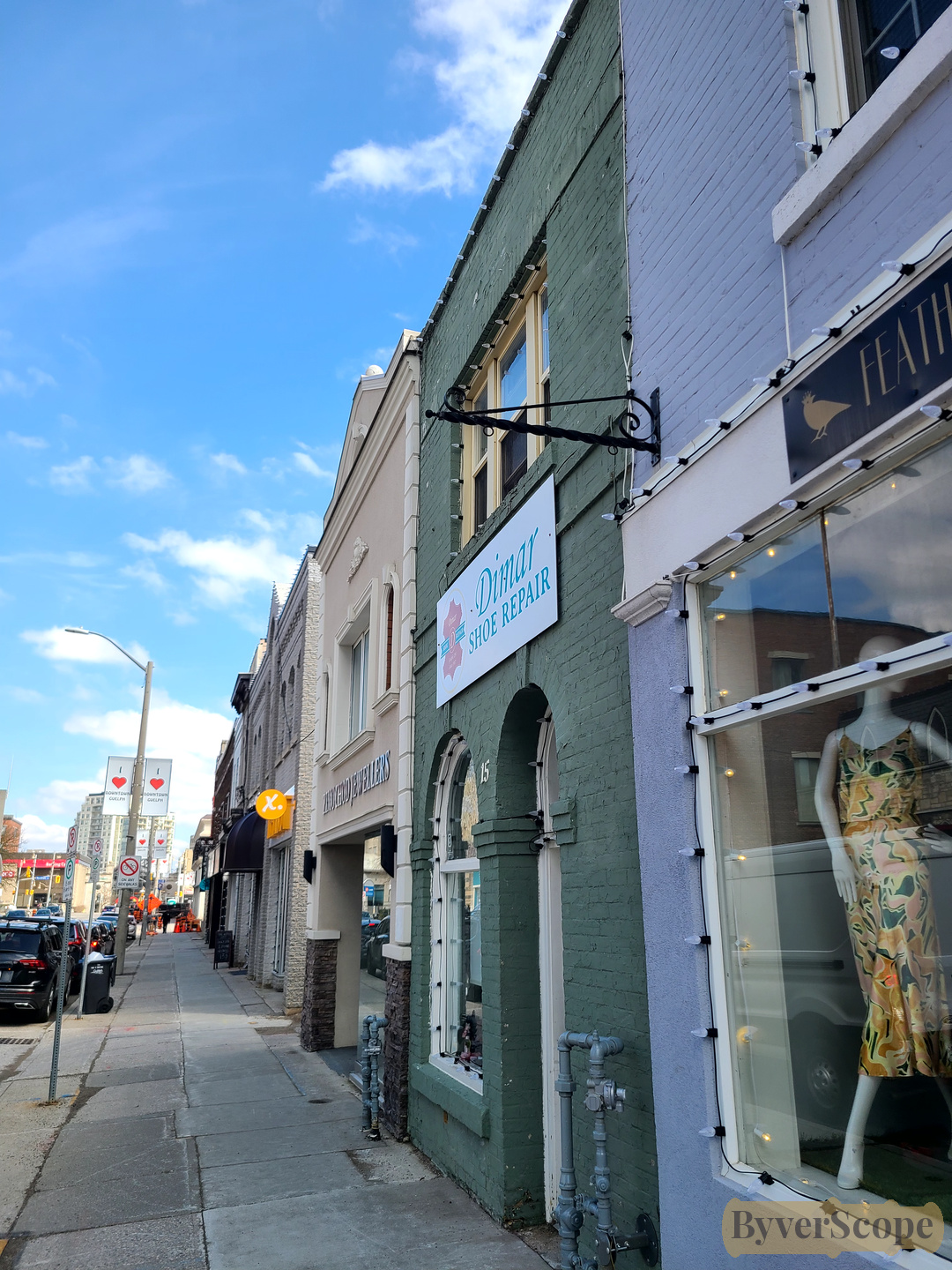
The street highlights the original European-inspired radial city planning layout.
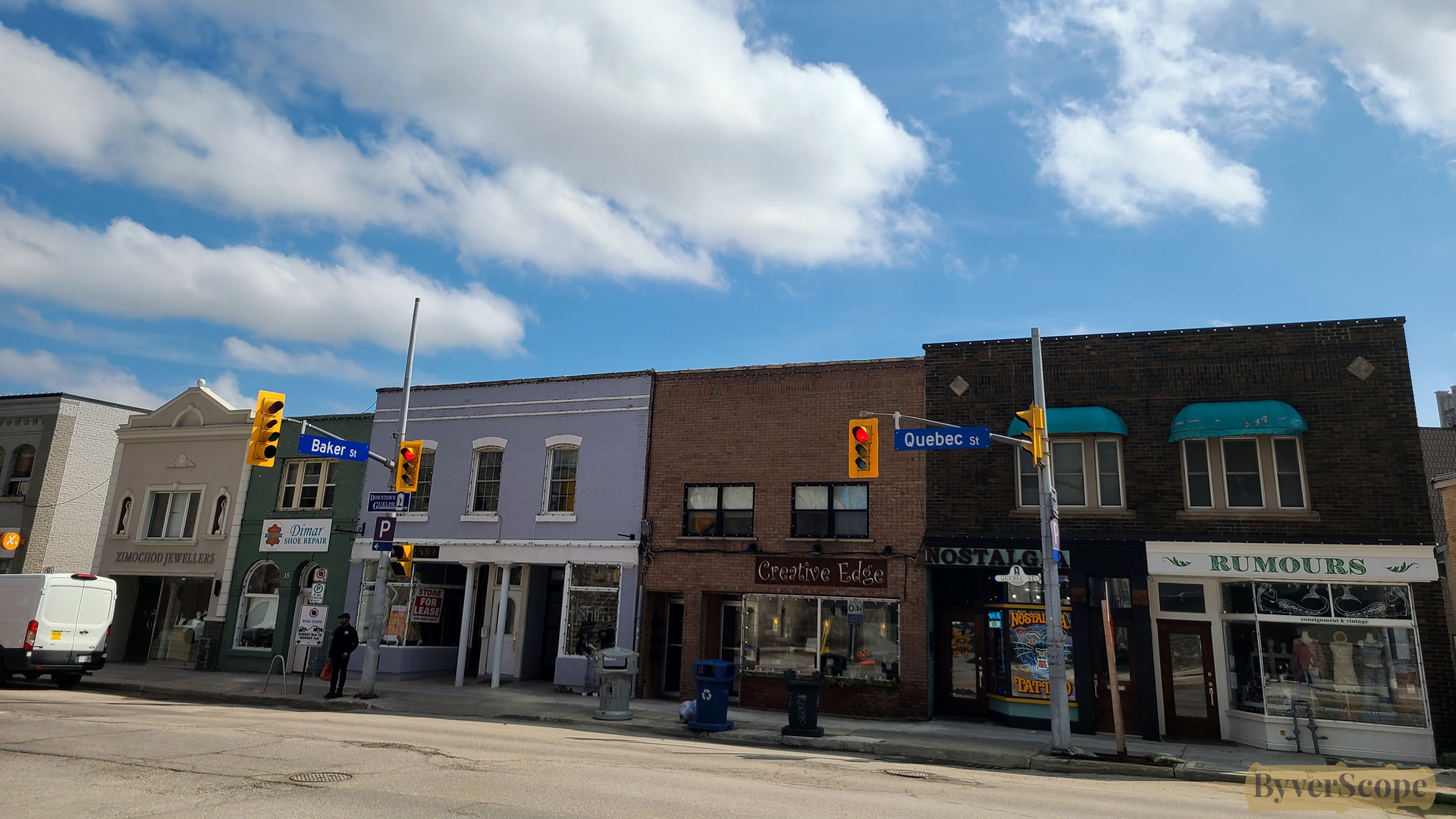
At the intersection of Cork and Norfolk, a grand church steeple rises dramatically above the surrounding trees.
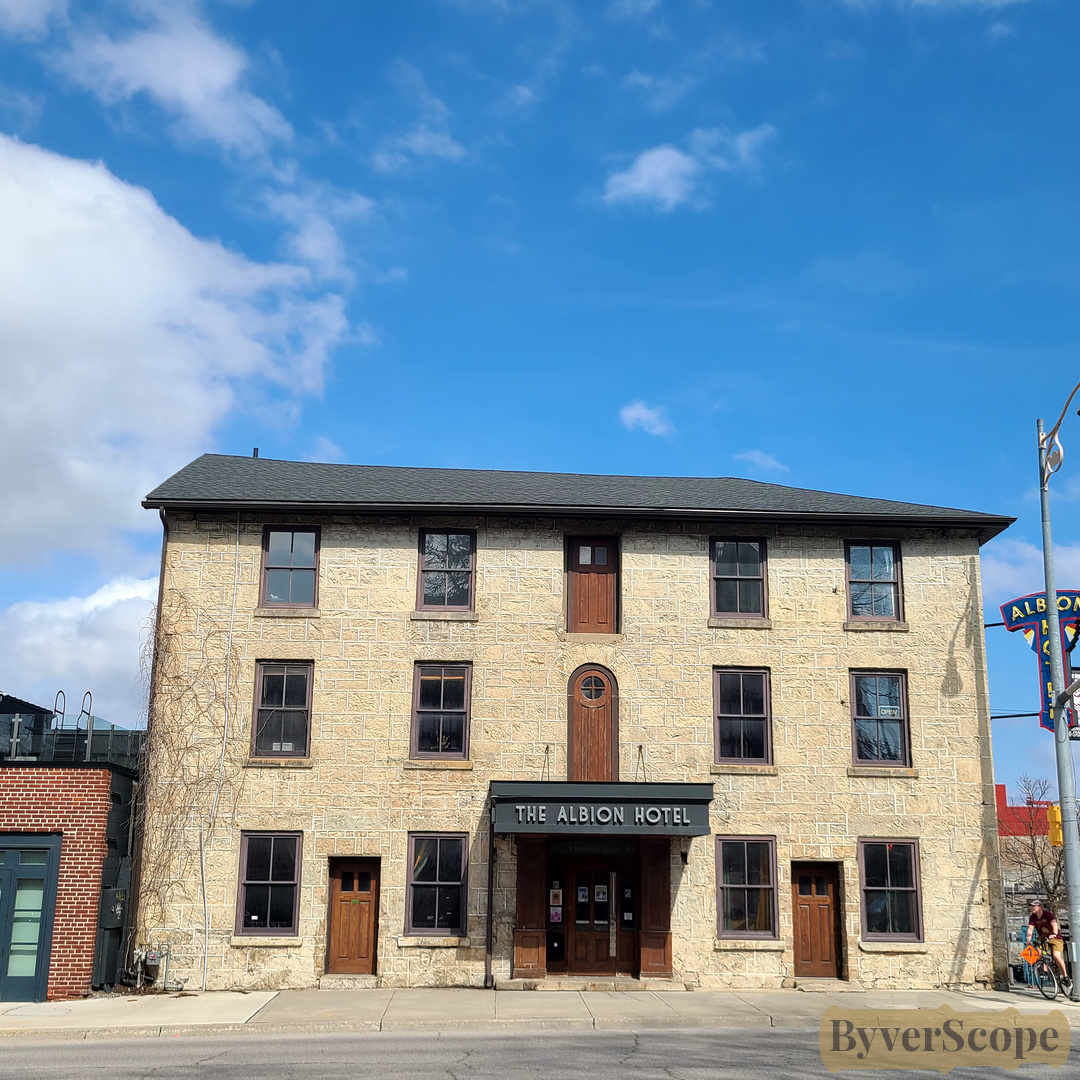
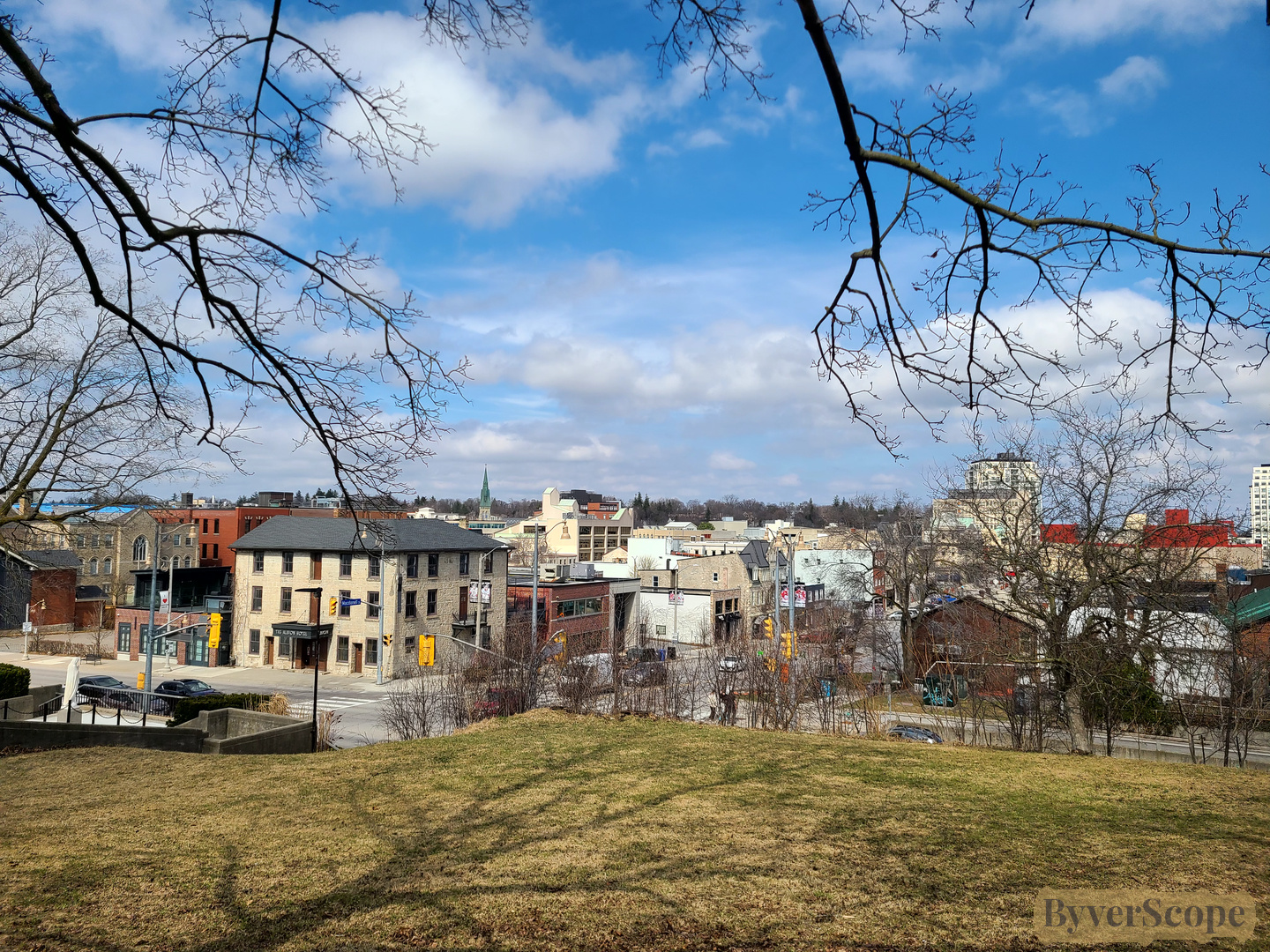
The historic Albion Hotel stands prominently on a street corner, operating as one of the oldest continuously running hotels/pubs in Ontario.
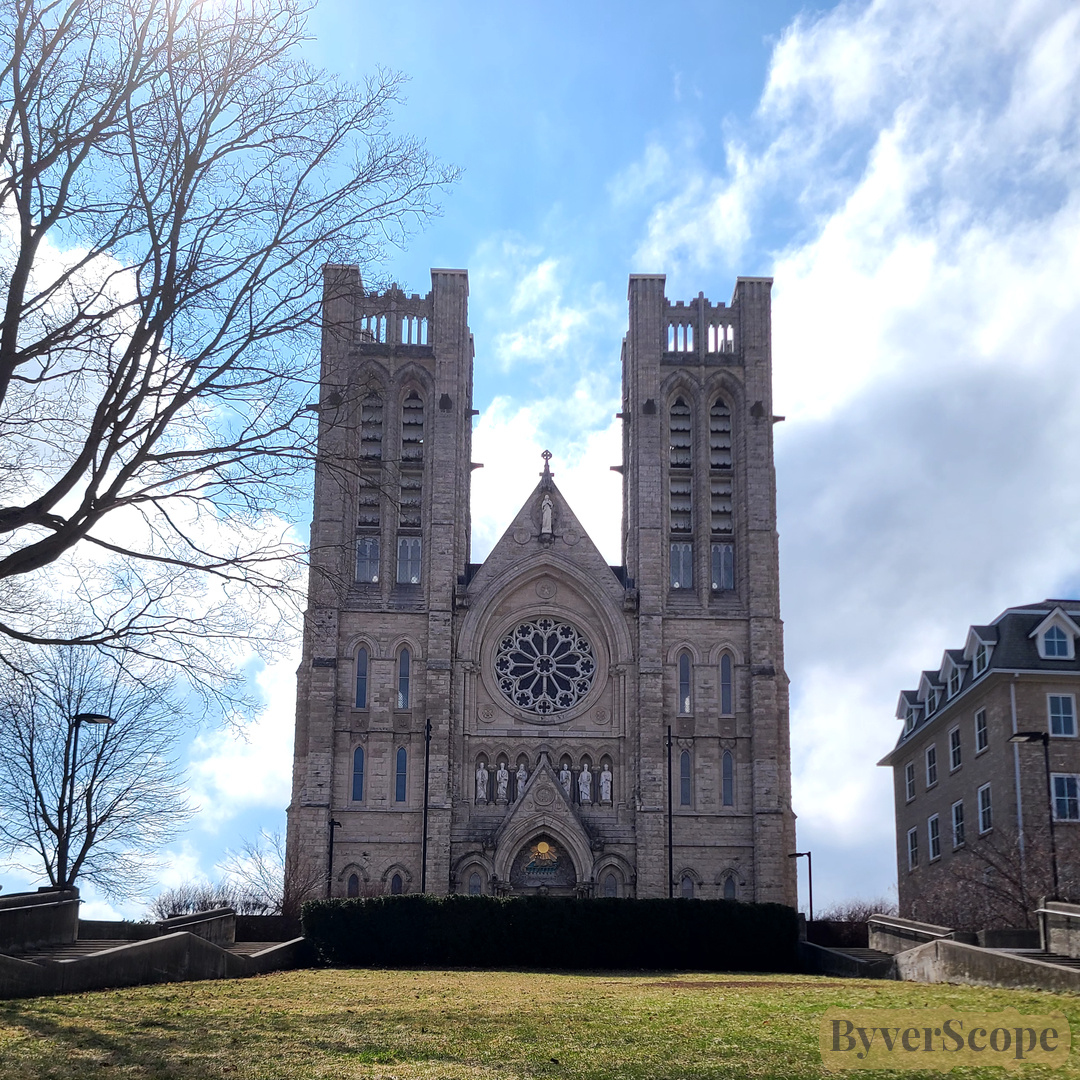
Climbing Catholic Hill, the massive Basilica of Our Lady Immaculate built between 1875 and 1888 looms large, showing off its spectacular twin towers and central rose window.
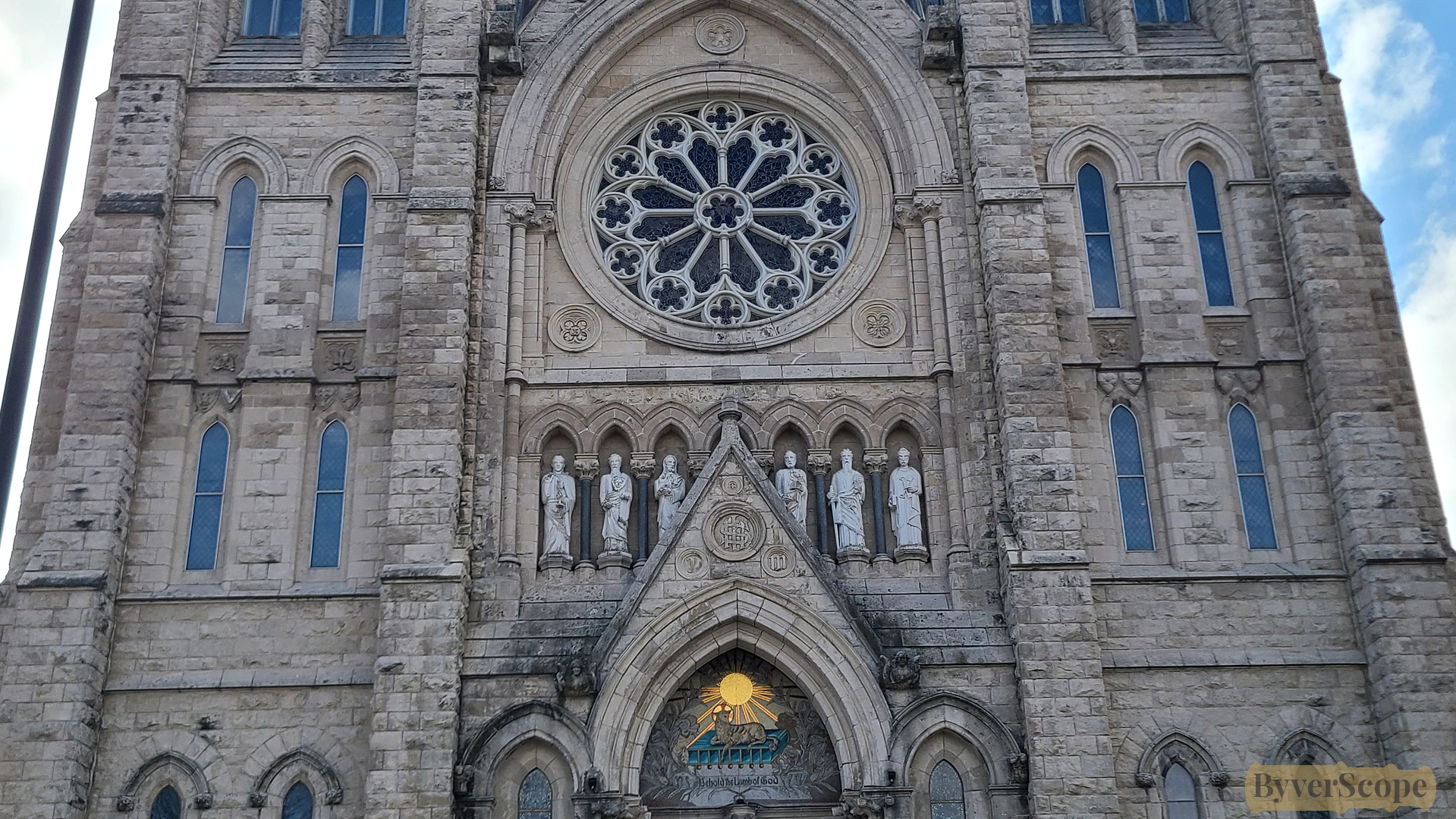
A closer look at architectural details above the entrance of this stunning Gothic Revival cathedral.
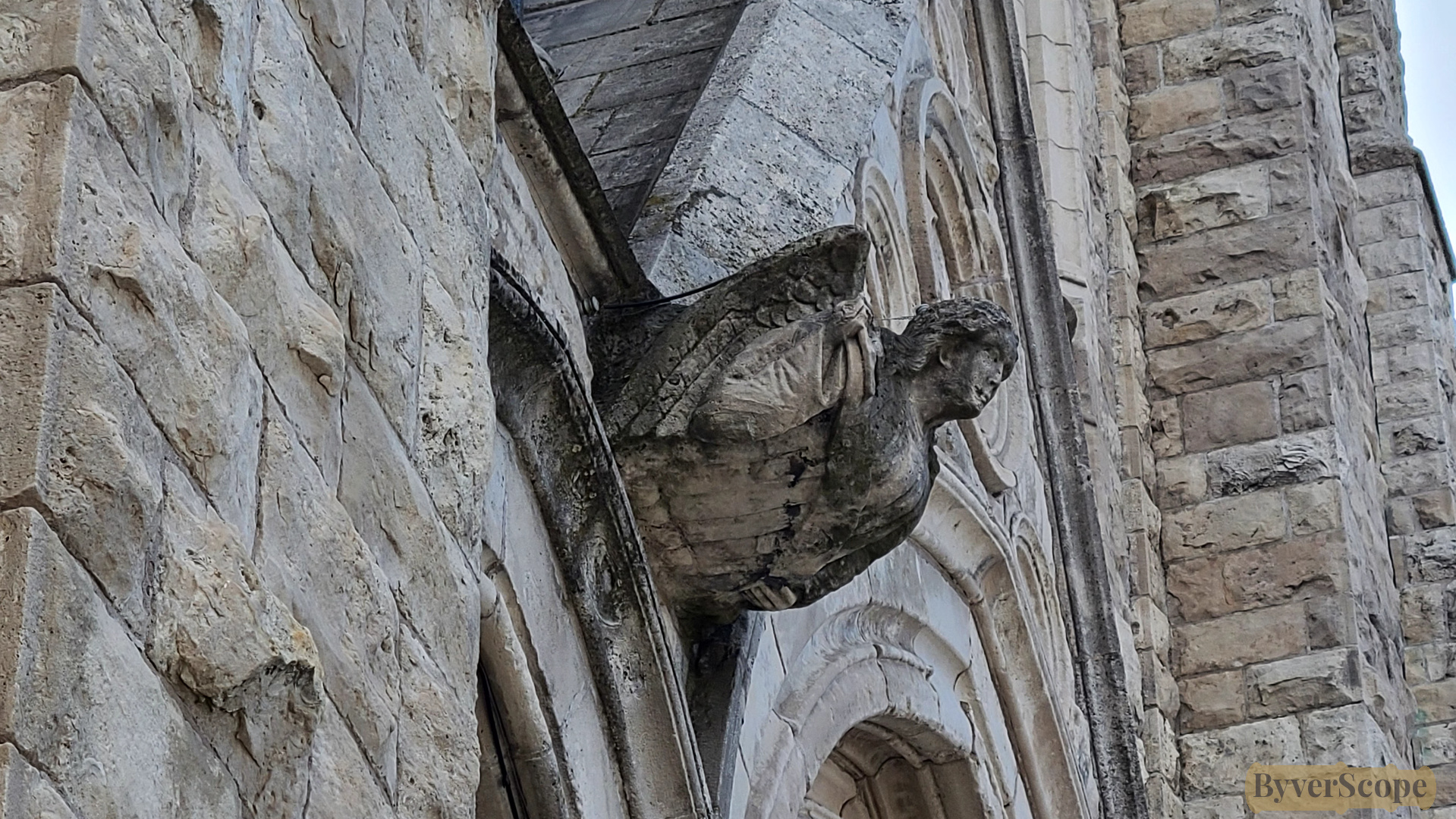
Intricate stone masonry and structural gargoyles showcase the meticulous Old World craftsmanship poured into this building over a century ago.
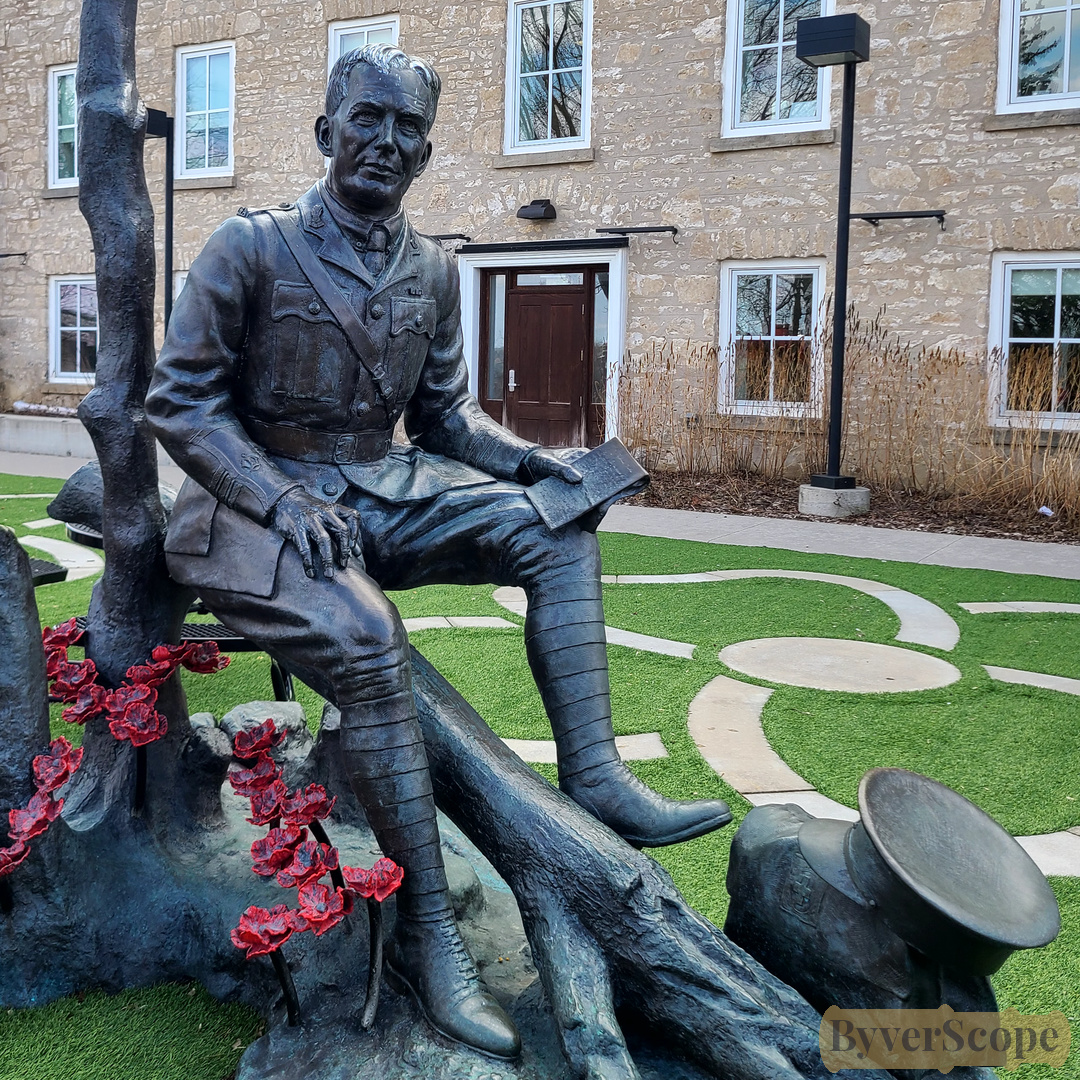
A bronze statue of John McCrae, the Guelph-born soldier and poet who penned "In Flanders Fields,".
Looking down Macdonell Street, the wide avenue is framed by historic properties pointing directly back down into the commercial center.
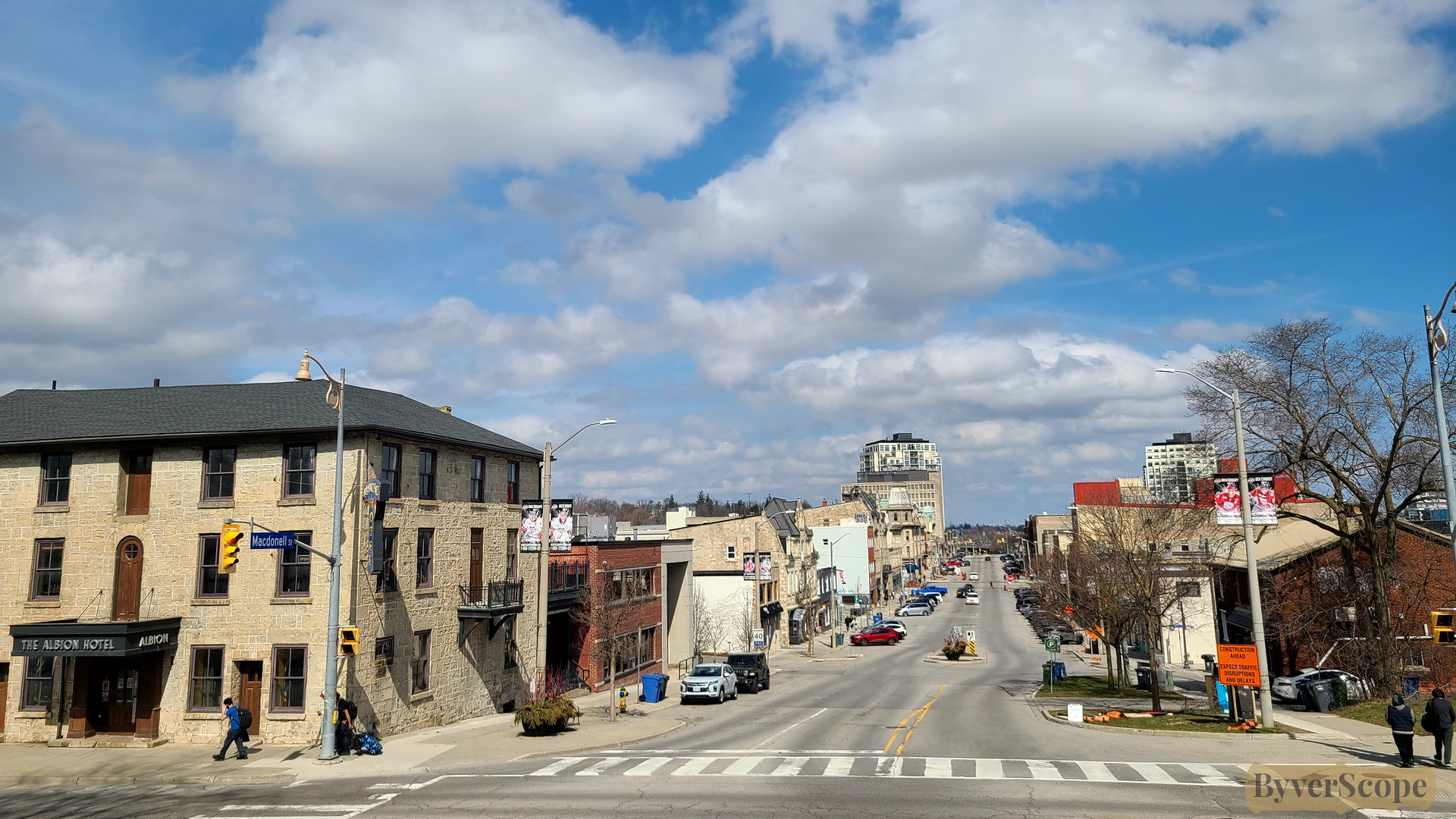
Another view looking down the grassy slopes of the hill captures the classic red brick and limestone buildings that line Macdonell Street.
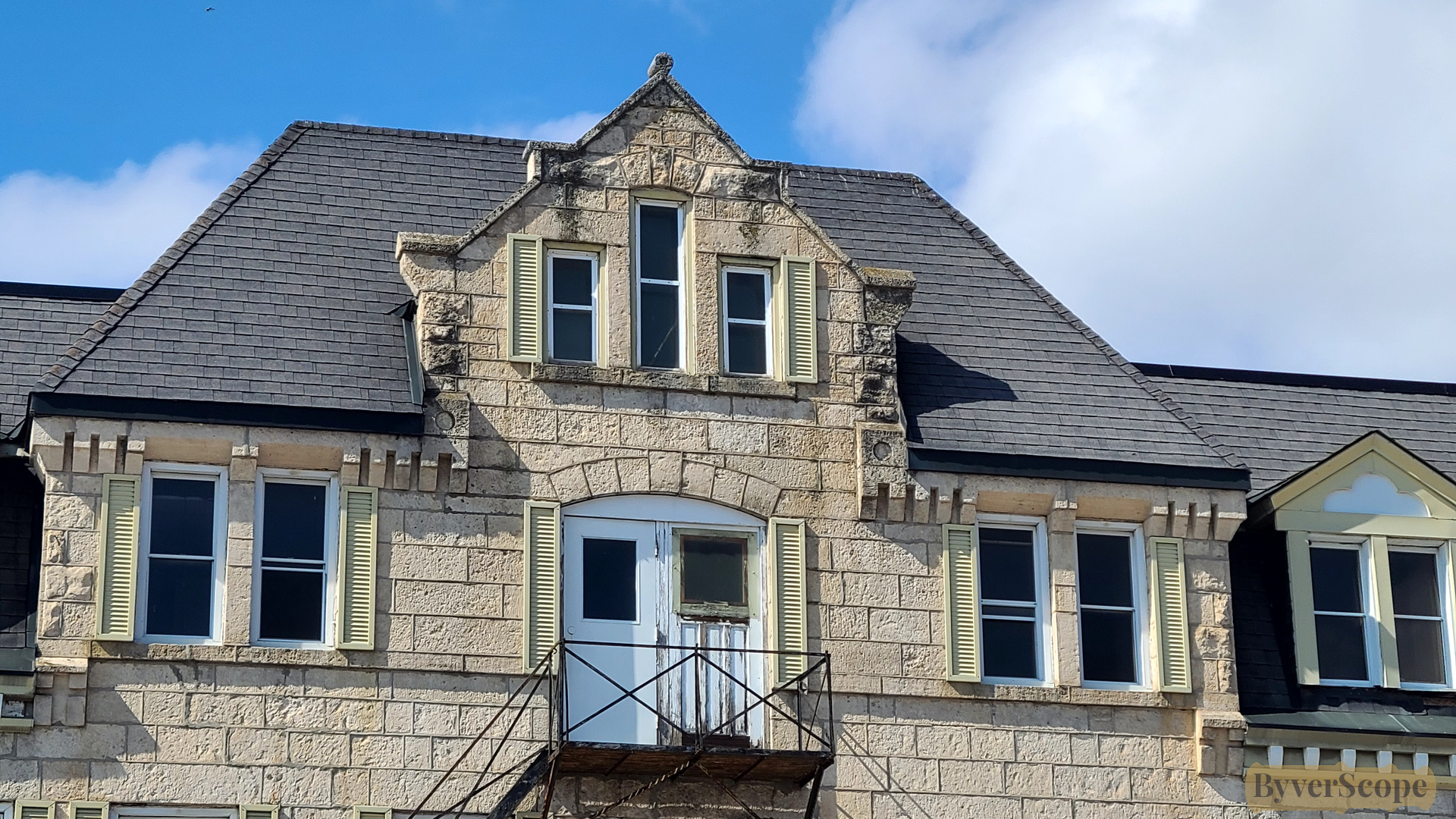
A remarkably ornate Victorian residential street features highly decorative trim and unique architectural flourishes under the afternoon sun. A sharp stone gable window showcases the neat, interlocking limestone block construction found throughout the residential core.
Another example of similar decorative trim above the street line next door.
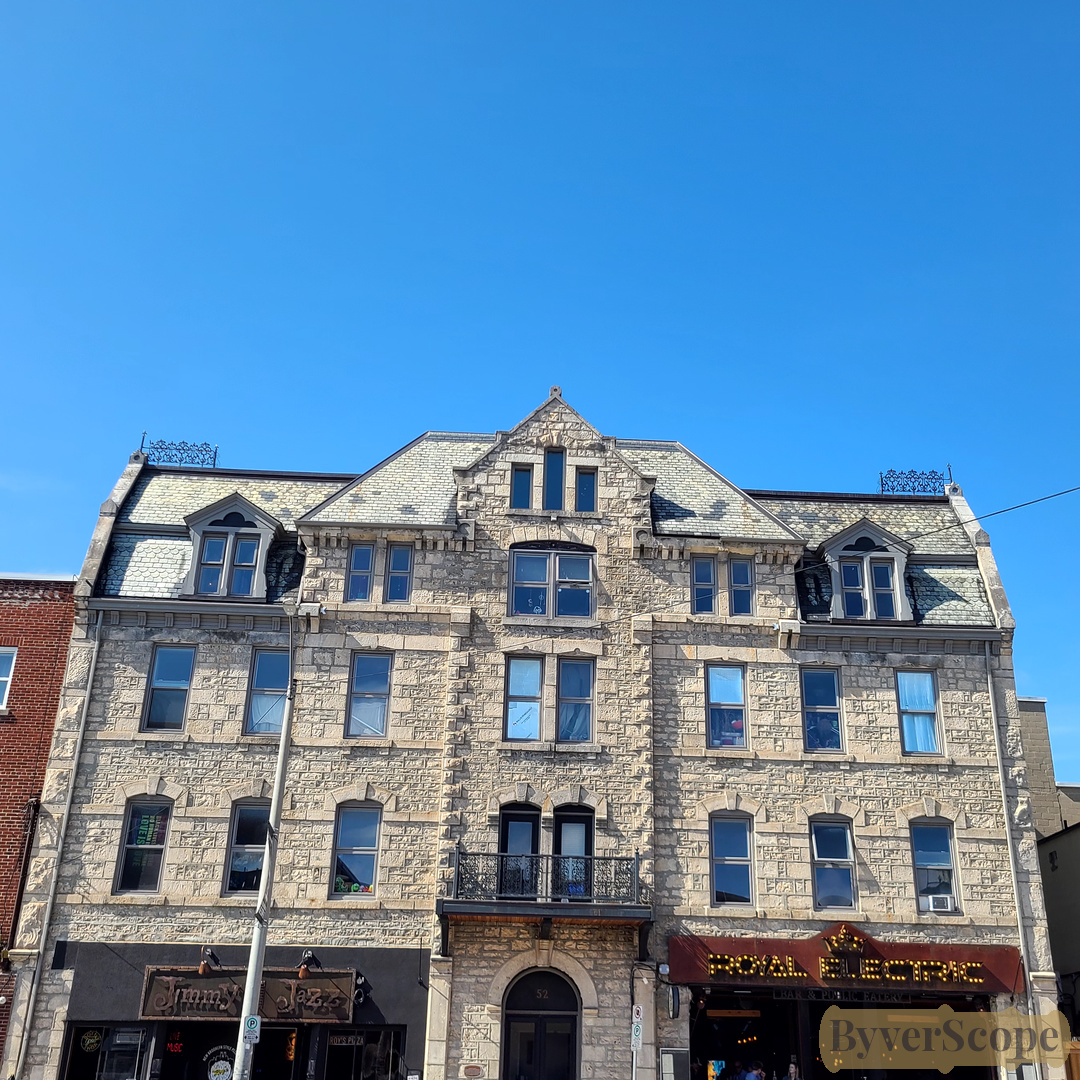
A beautifully preserved tiled roof and decorative corner detailing on a historic downtown block stand out against the clear sky. The one on the left is The Sovereign was built in 1882. The building right next to it is the famous Petrie Building constructed in the same year, is one of only two structures in Canada to retain its original, elaborately stamped metal galvanized iron facade.
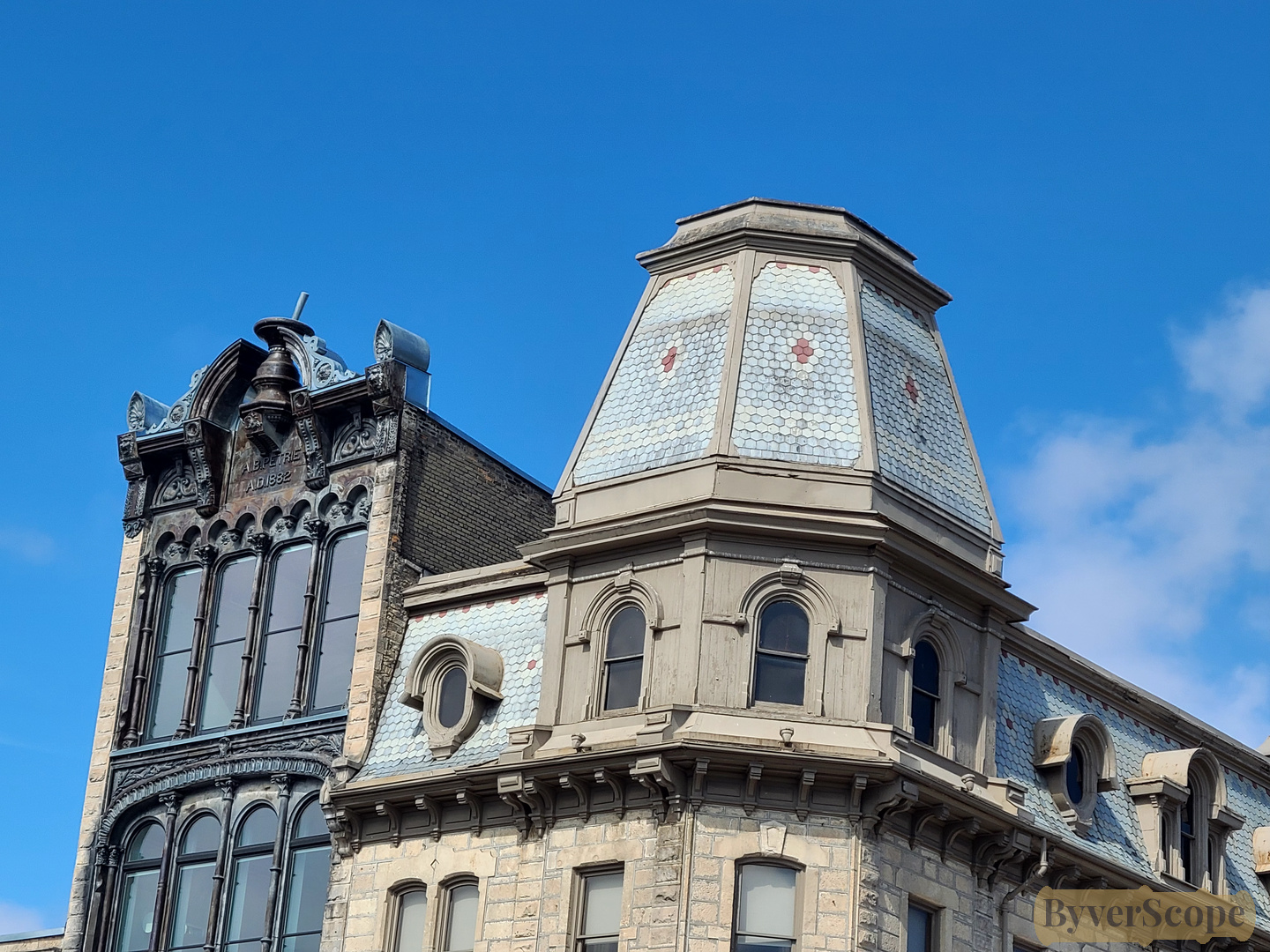
The brilliant afternoon sun bathes the historic commercial block facades, highlighting the clean textures of the old masonry.
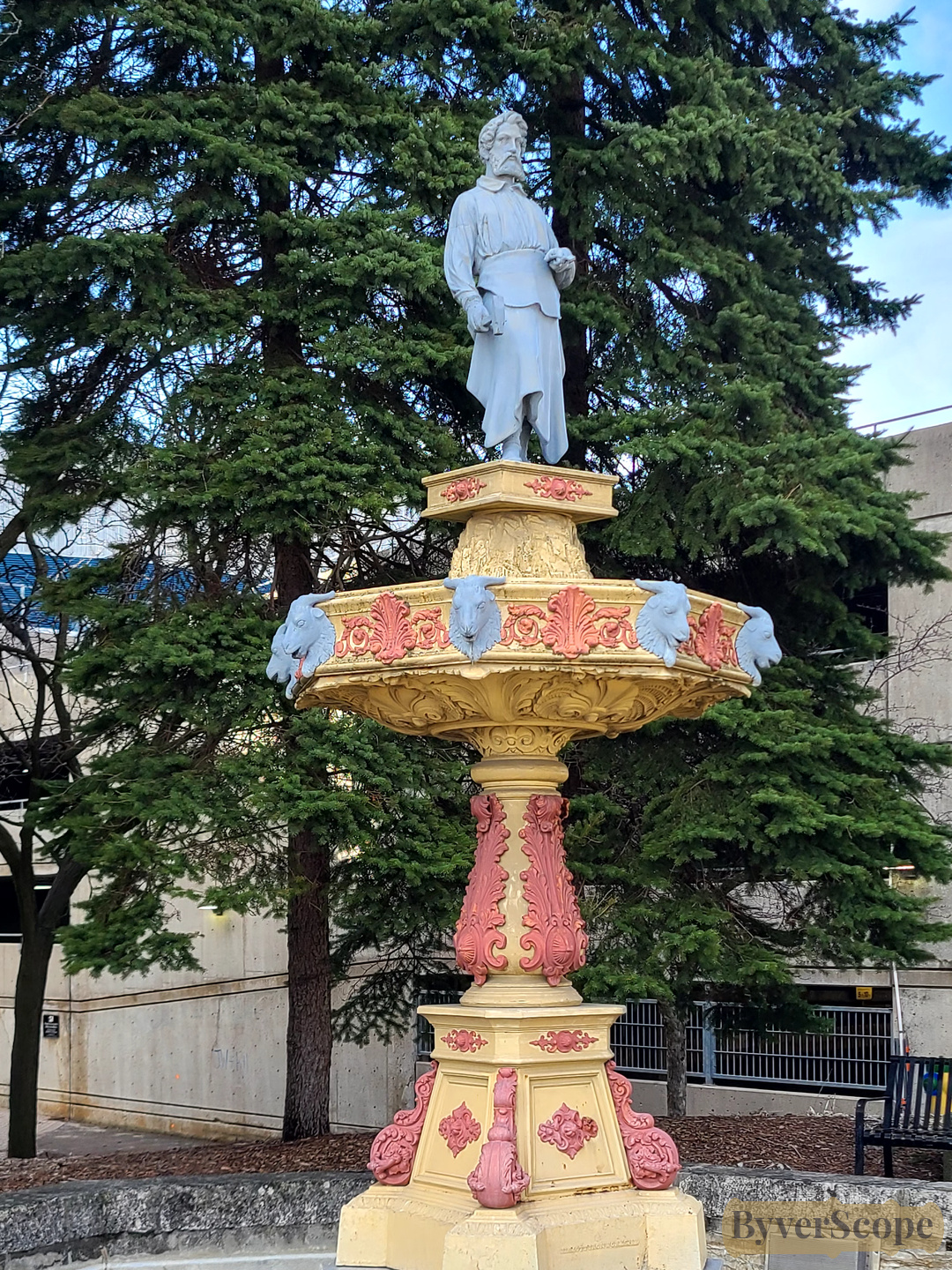
The weather-worn Blacksmith Fountain stands inside a concrete basin, honoring the working-class roots and old trades of the city's early settlers.
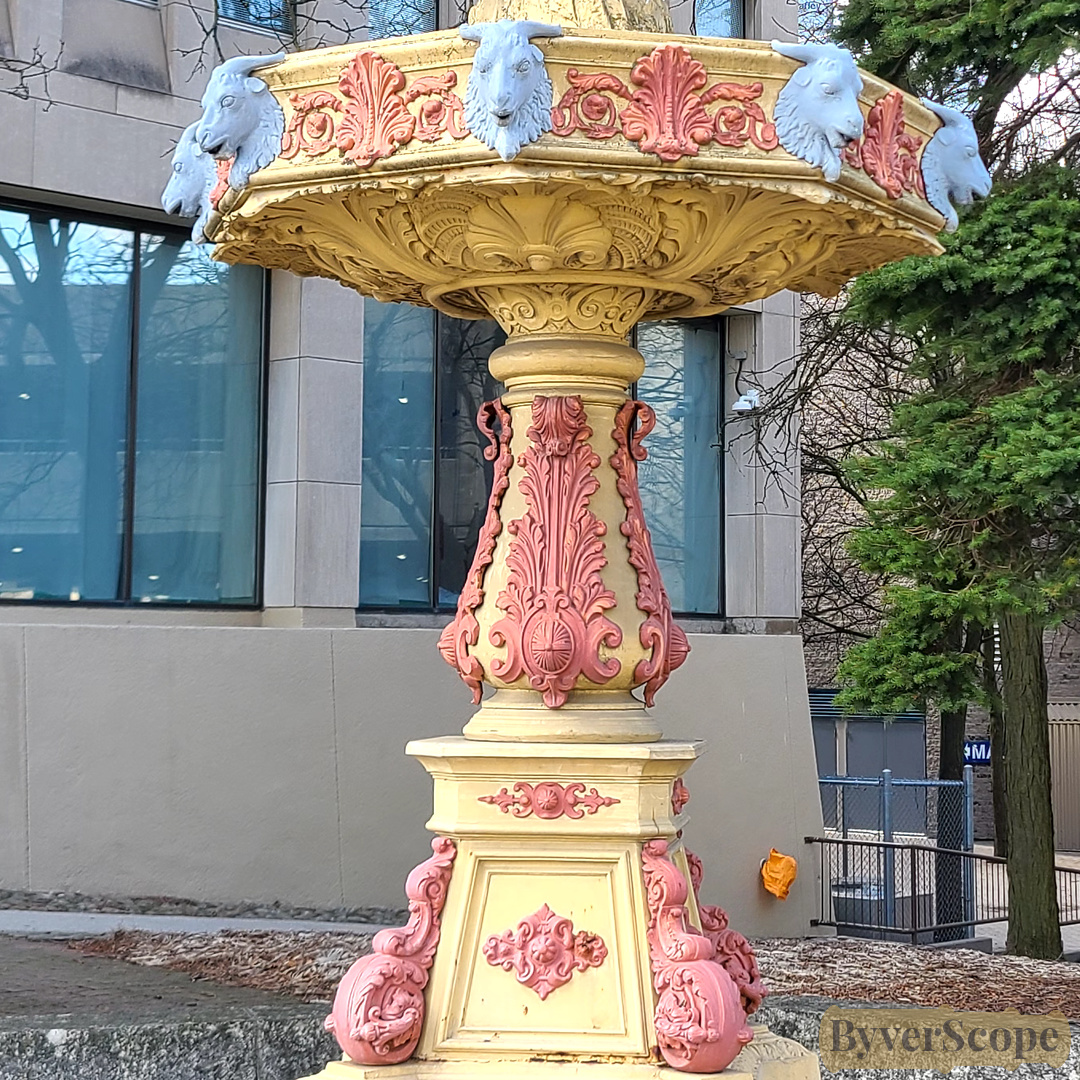
A detailed view of the ornate metal decorations wrapped around the base of the historic iron fountain structure.
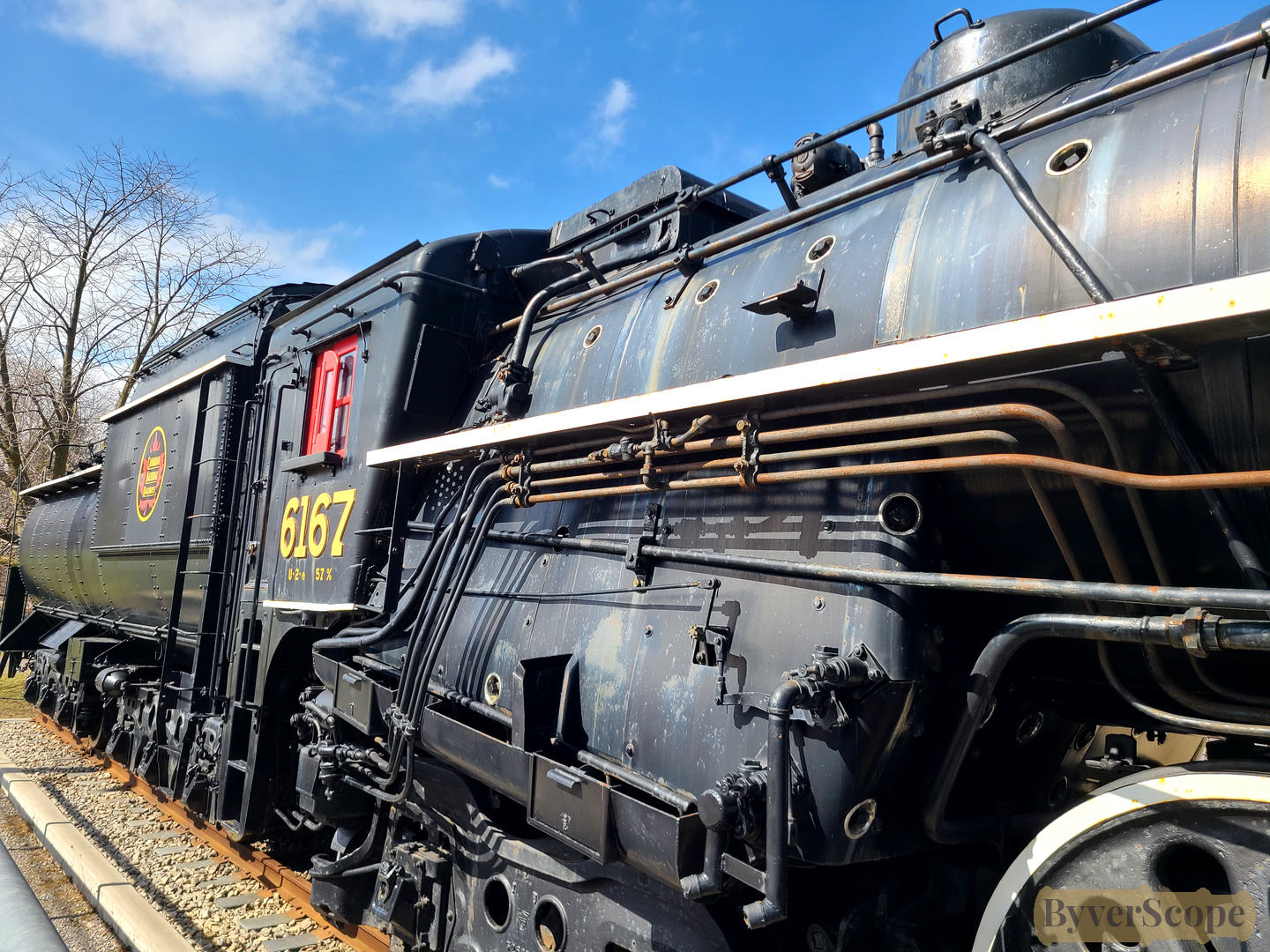
We encounter the legendary Locomotive 6167, a massive steam engine wighing over 22 tons proudly displayed near the railway lines. Built in 1940, it served as a critical passenger and freight hauling workhorse during WWII. It was reaching top speed of 137 to 161 km/h during its active service hauling heavy passenger and freight trains.
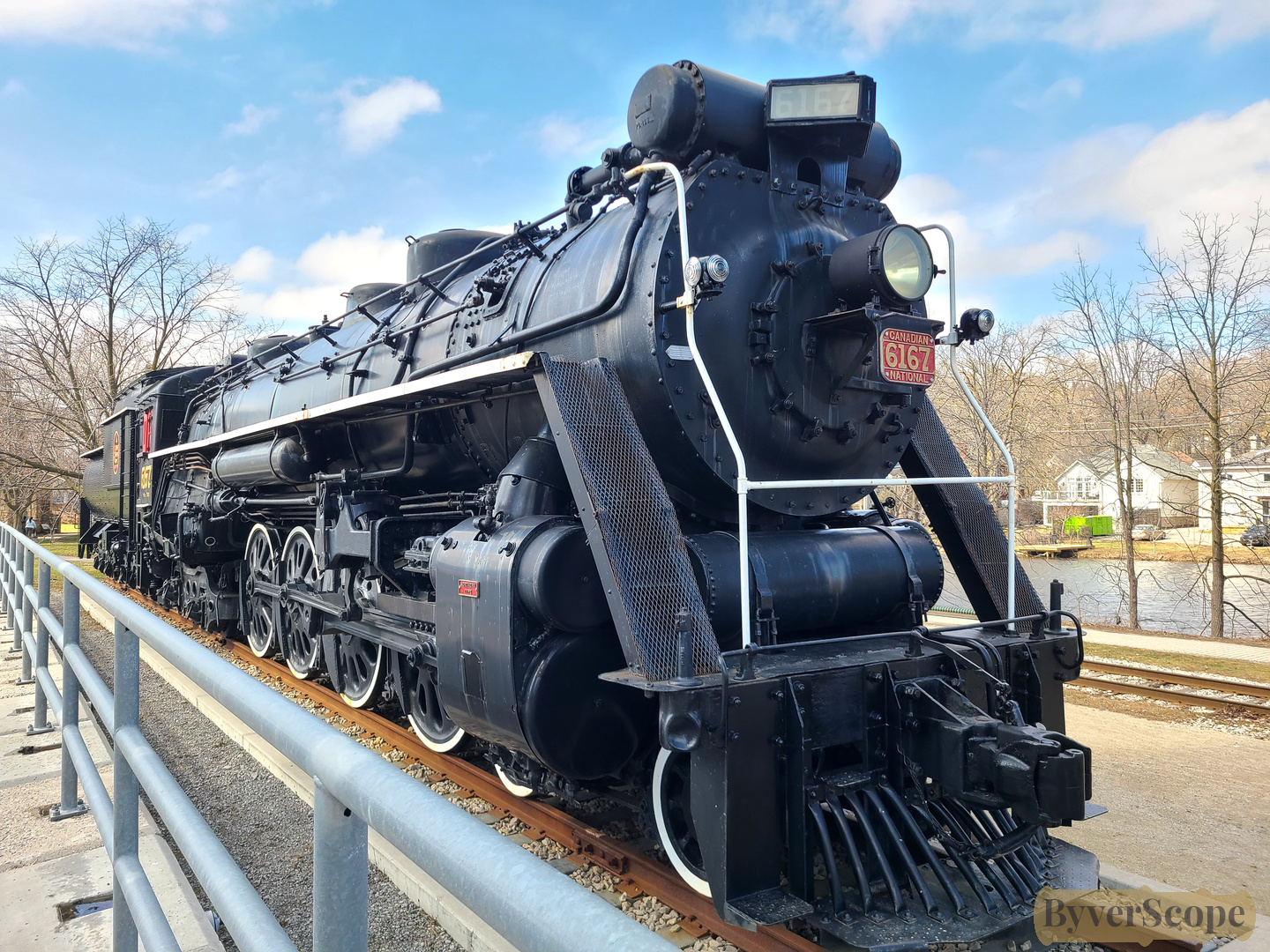
Closer look under the boiler revealing an interplay of pipes, and valves required enabling the functioning of this massive steam engine. Following a head-on collision with locomotive 6166 in 1943, it was heavily damaged but rebuilt due to critical wartime shortages
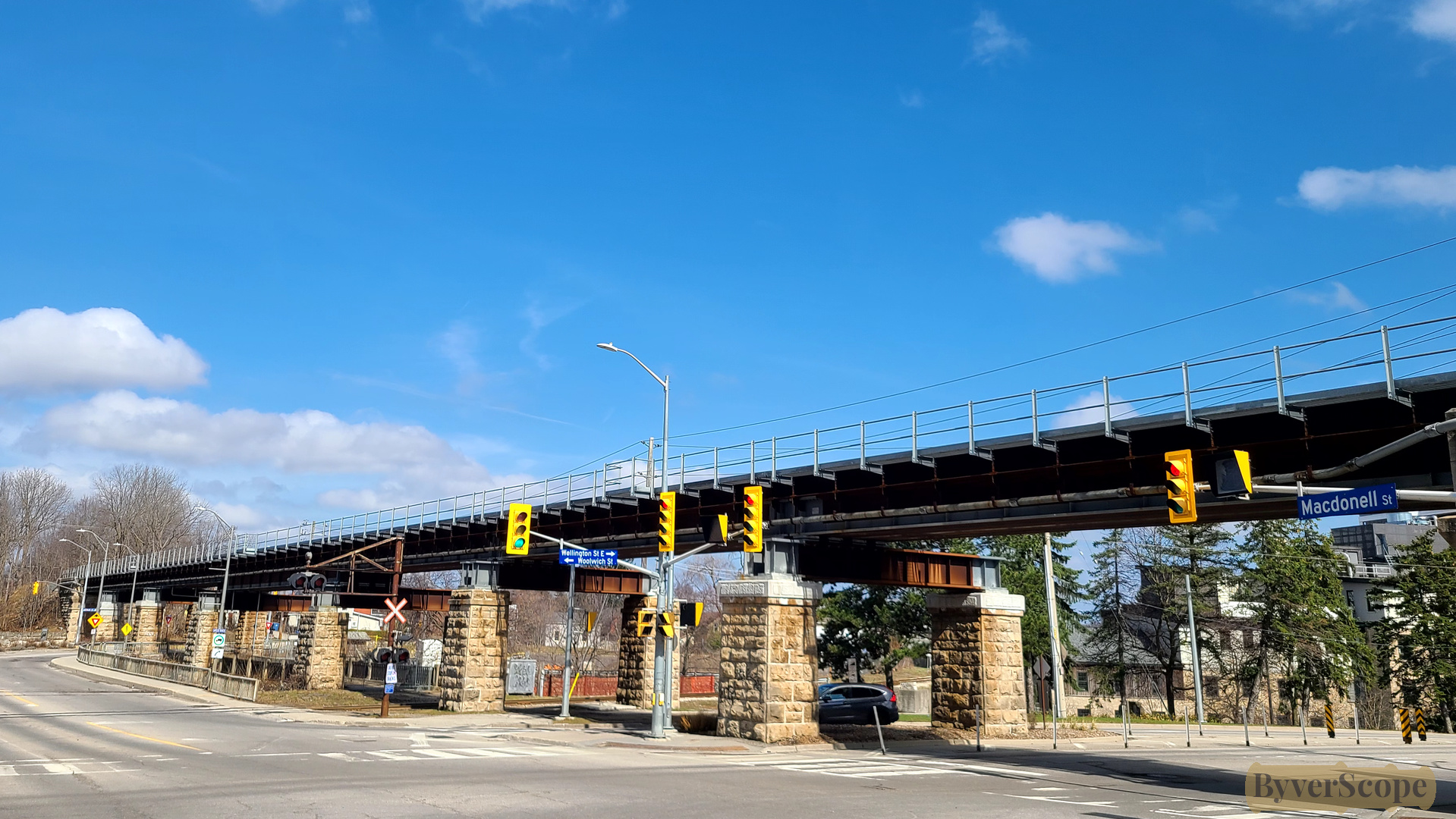
A modern steel railway bridge smoothly spans a busy downtown street, resting on sturdy, rustic stone pillars.
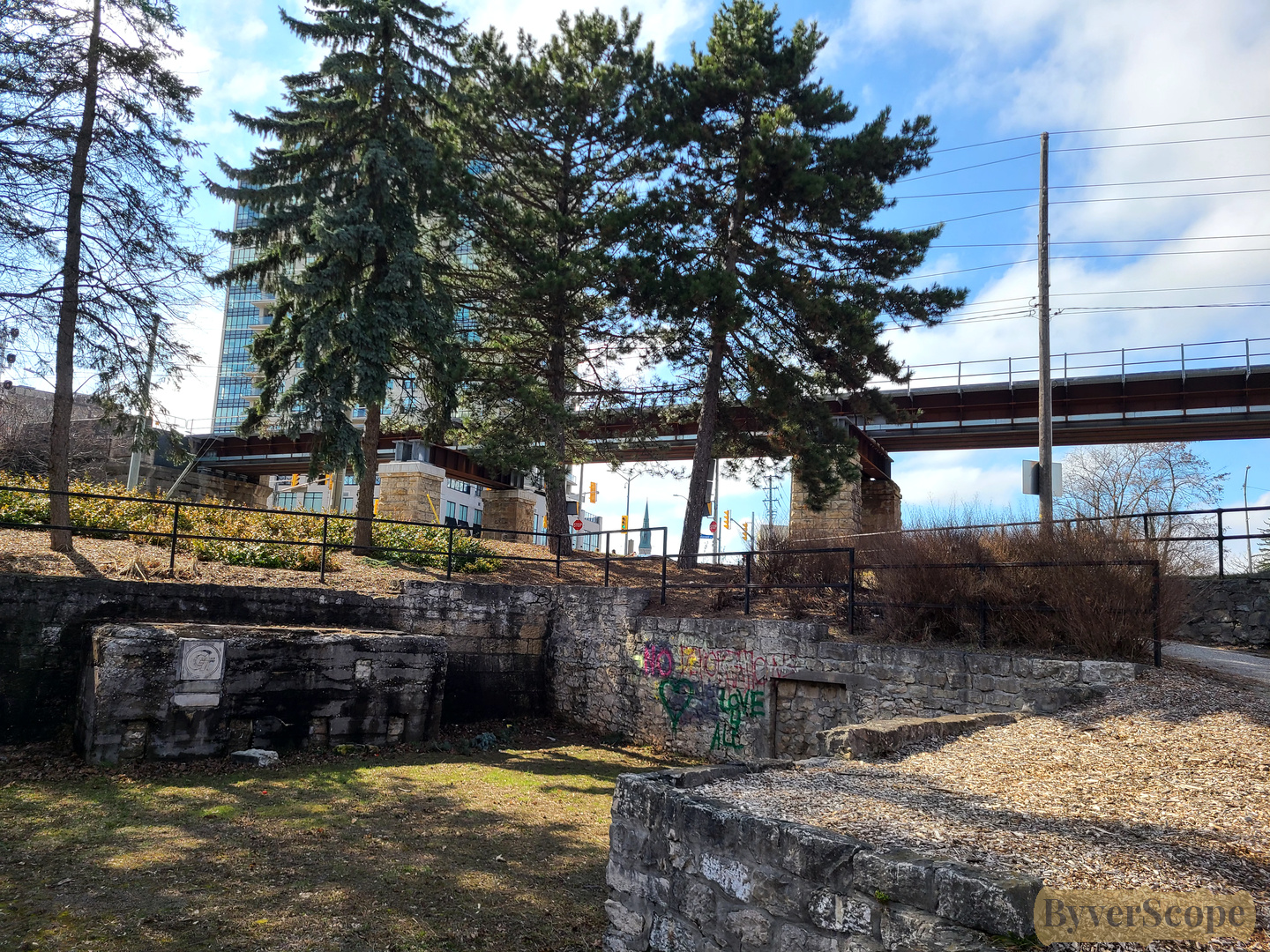
Behind it we transition to the historic ruins of Allan's Mill, another sprawling riverside stone complex slowly becoming part of the public park landscaping.
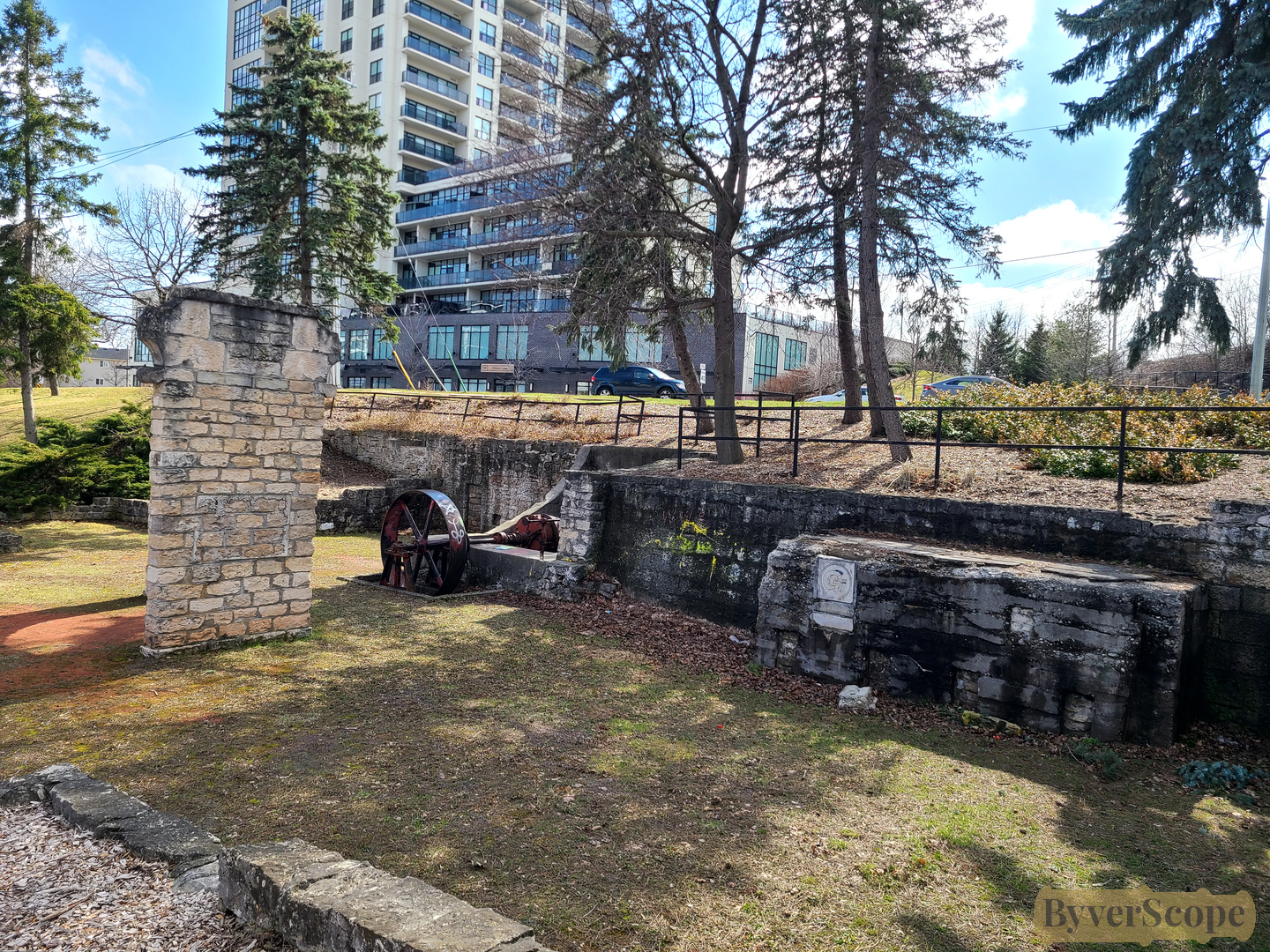
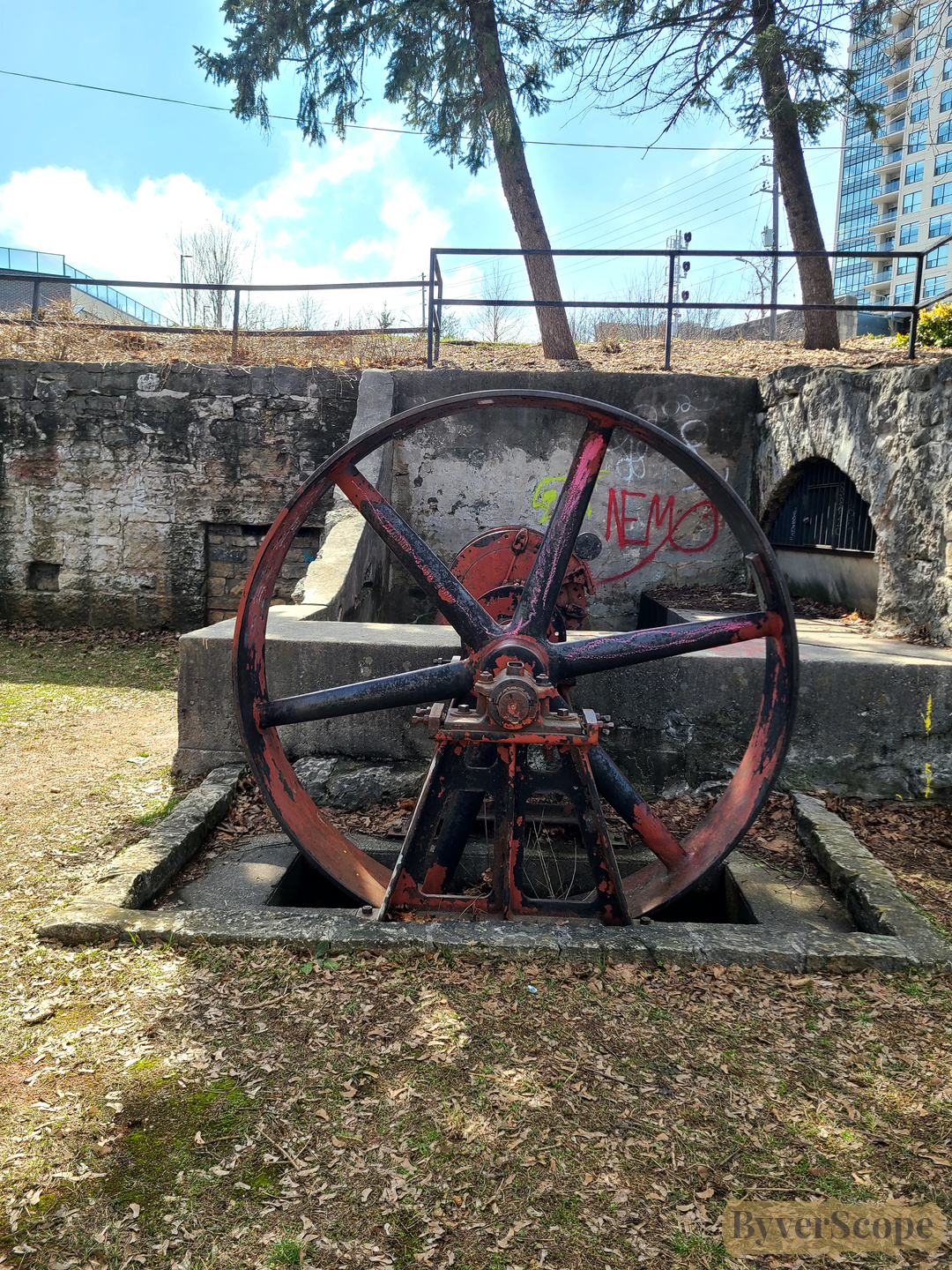
The old mill structures feature an integrated waterwheel assembly and iron gates designed to manage the river's powerful currents.
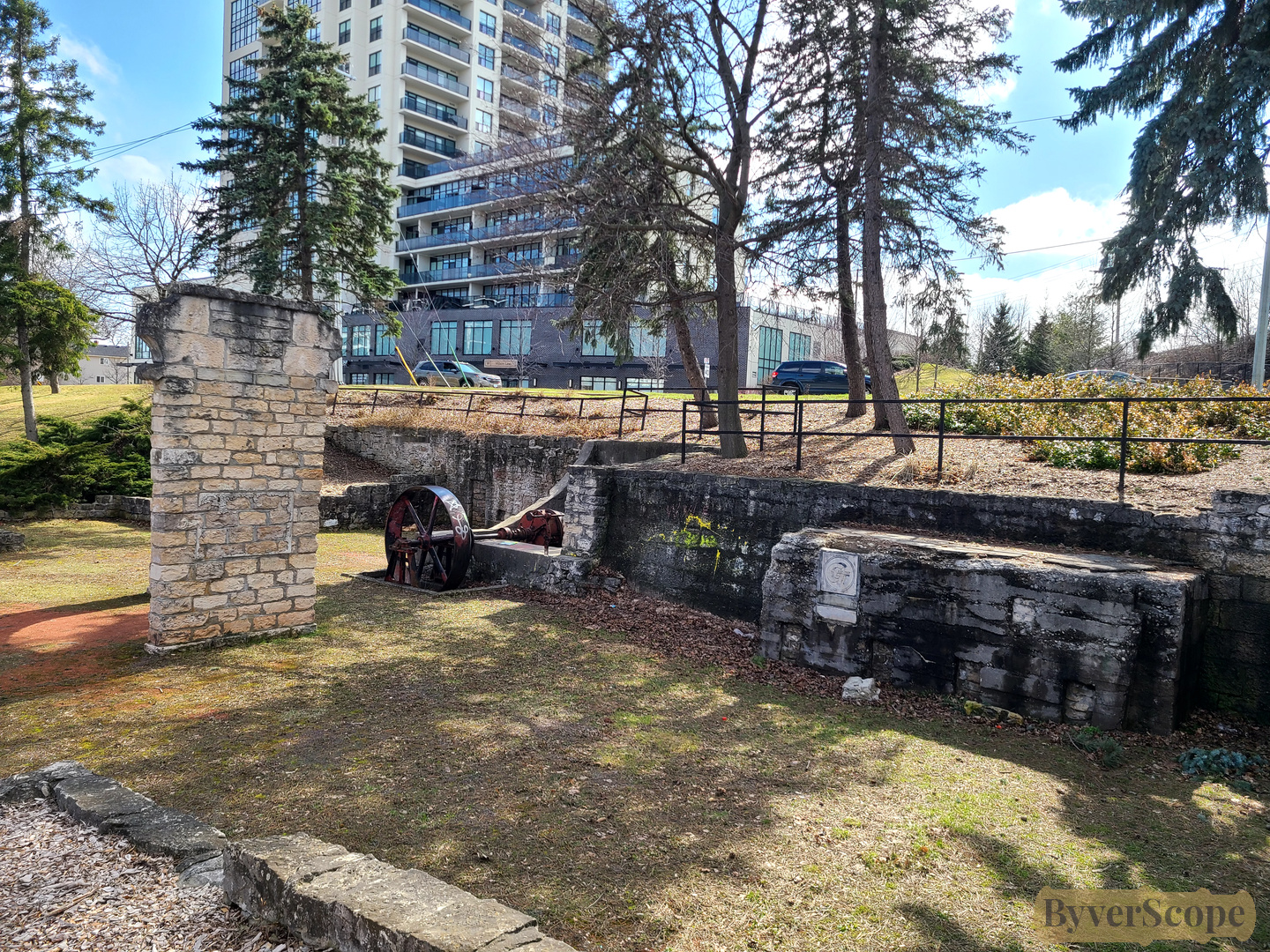
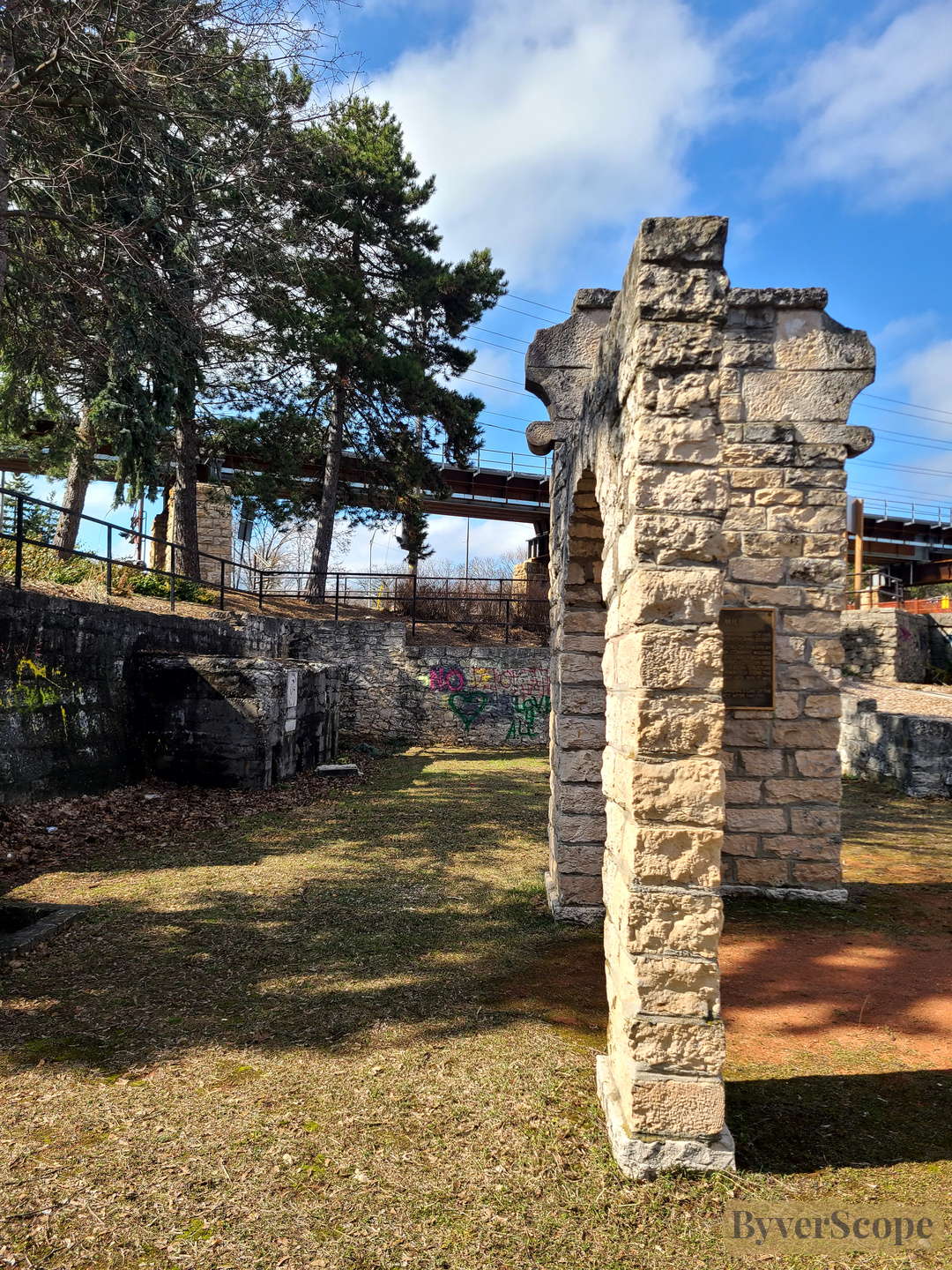
A beautiful stone archway frames an old industrial gear wheel preserved inside the grassy park perimeter.
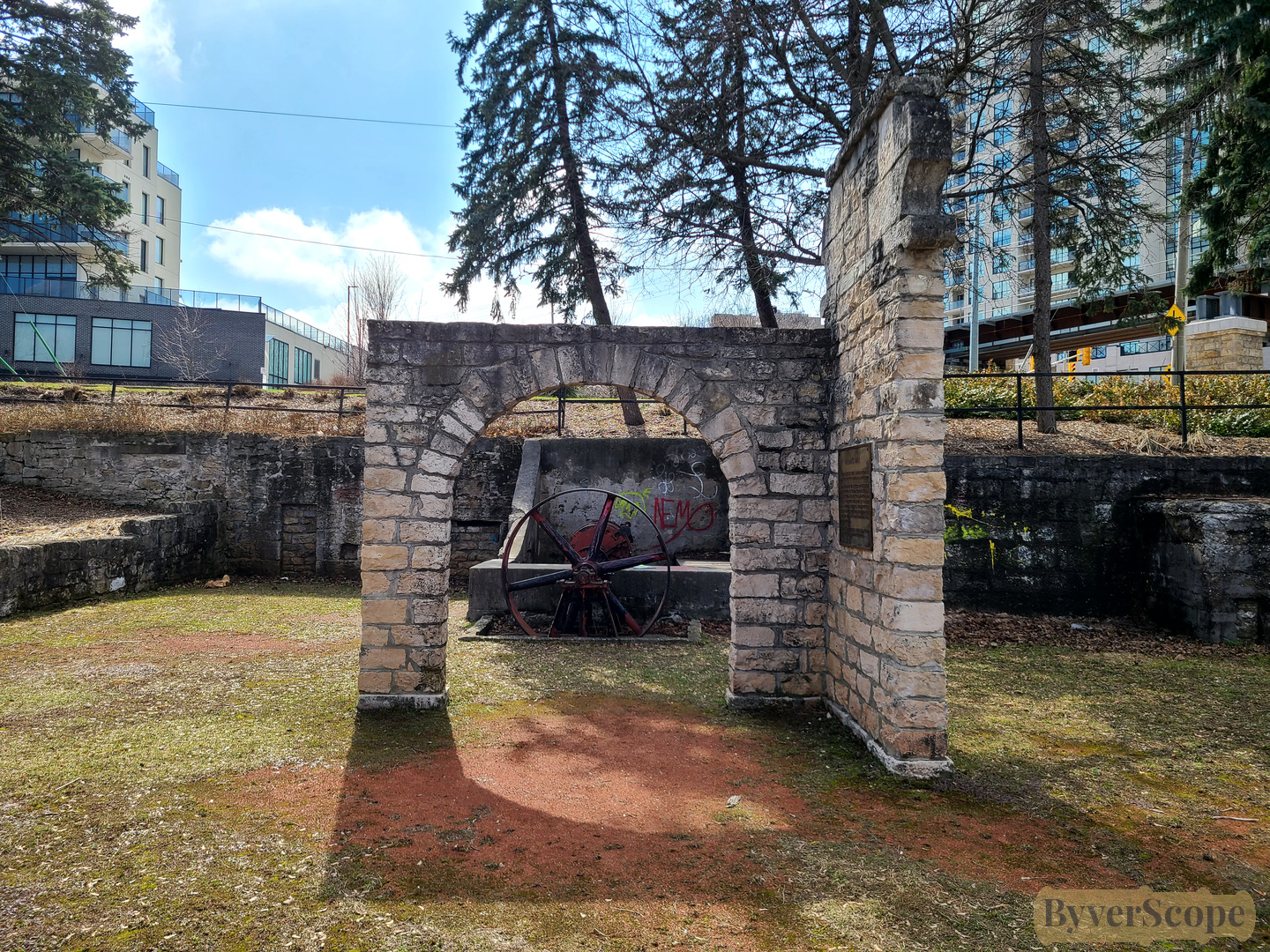
A massive, heavy rusted industrial gear sits resting inside a concrete pit, acting as a striking piece of historical sculpture.
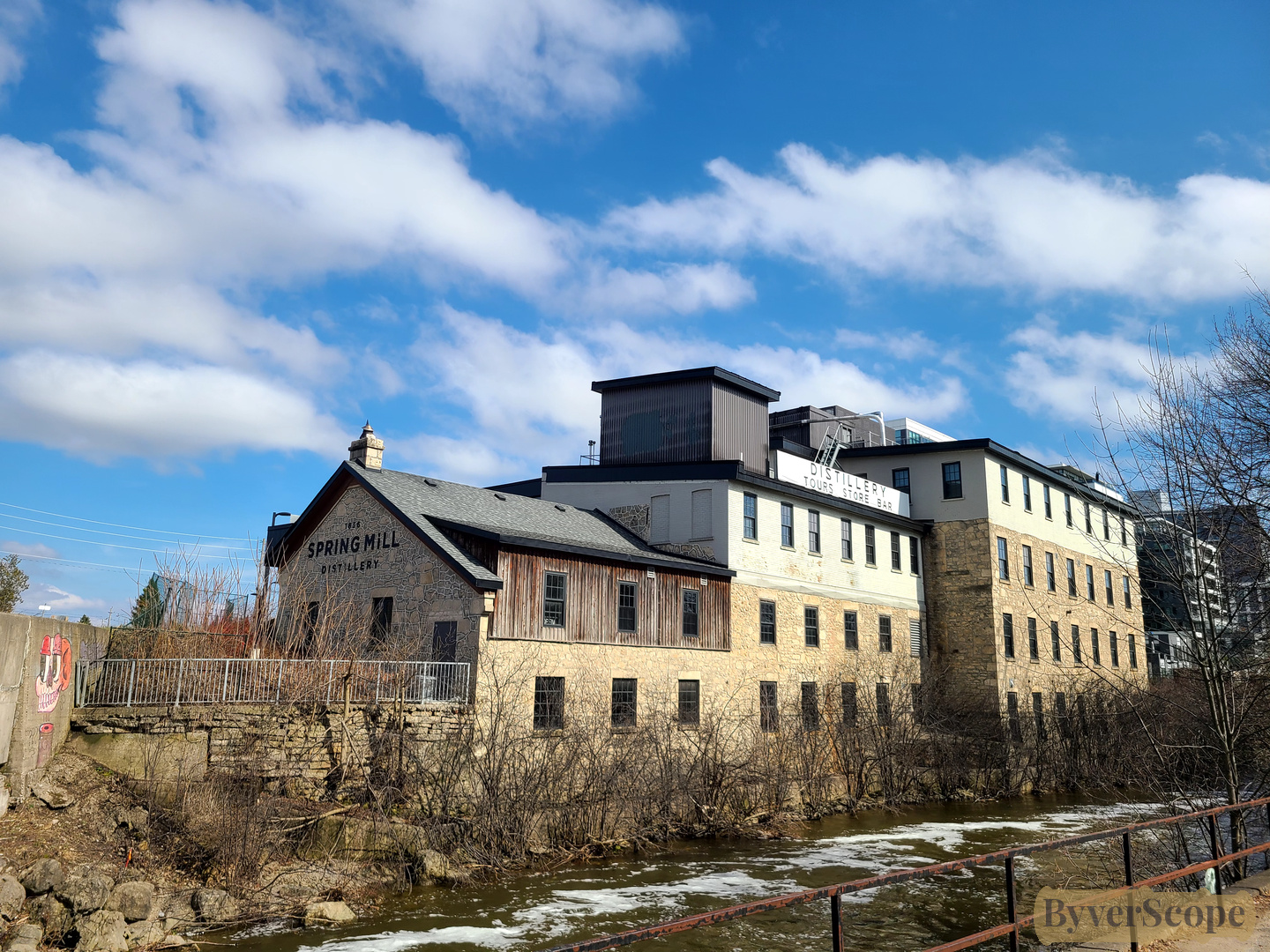
Looking through a weathered stone portal reveals the functioning modern Spring Mill distillery building operating nearby.
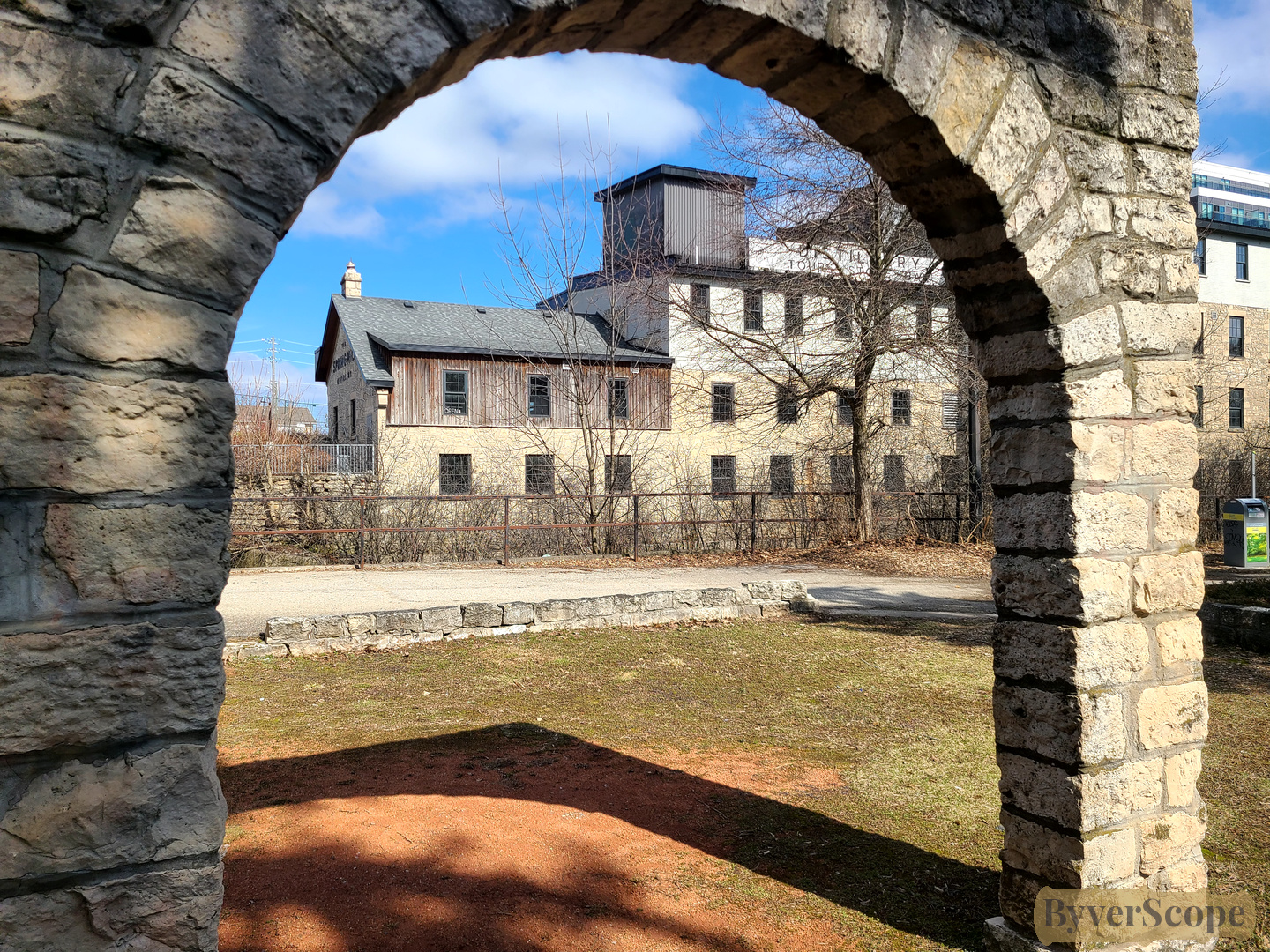
The standalone limestone archways frame the surrounding park landscape, showing off the longevity of early structural engineering.
The river flows rapidly beneath a concrete railway bridge decorated with colorful local graffiti.
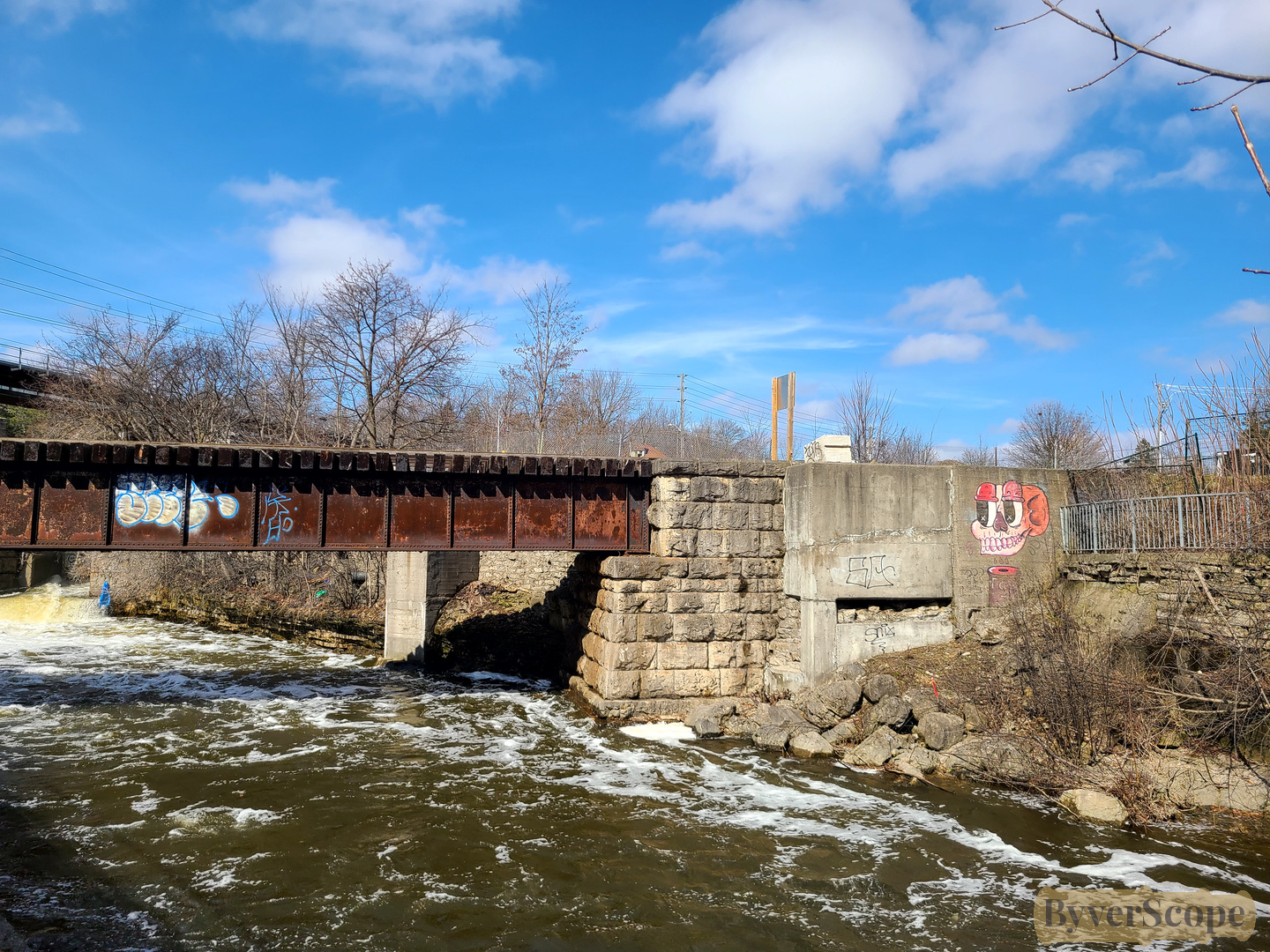
The historic stonework of Allan's Mill sits in direct contrast with modern urban concrete bridges and infrastructure overhead.
The beautiful Spring Mill building rests right along the river's edge, complete with a bright red safety railing running down the waterfront.
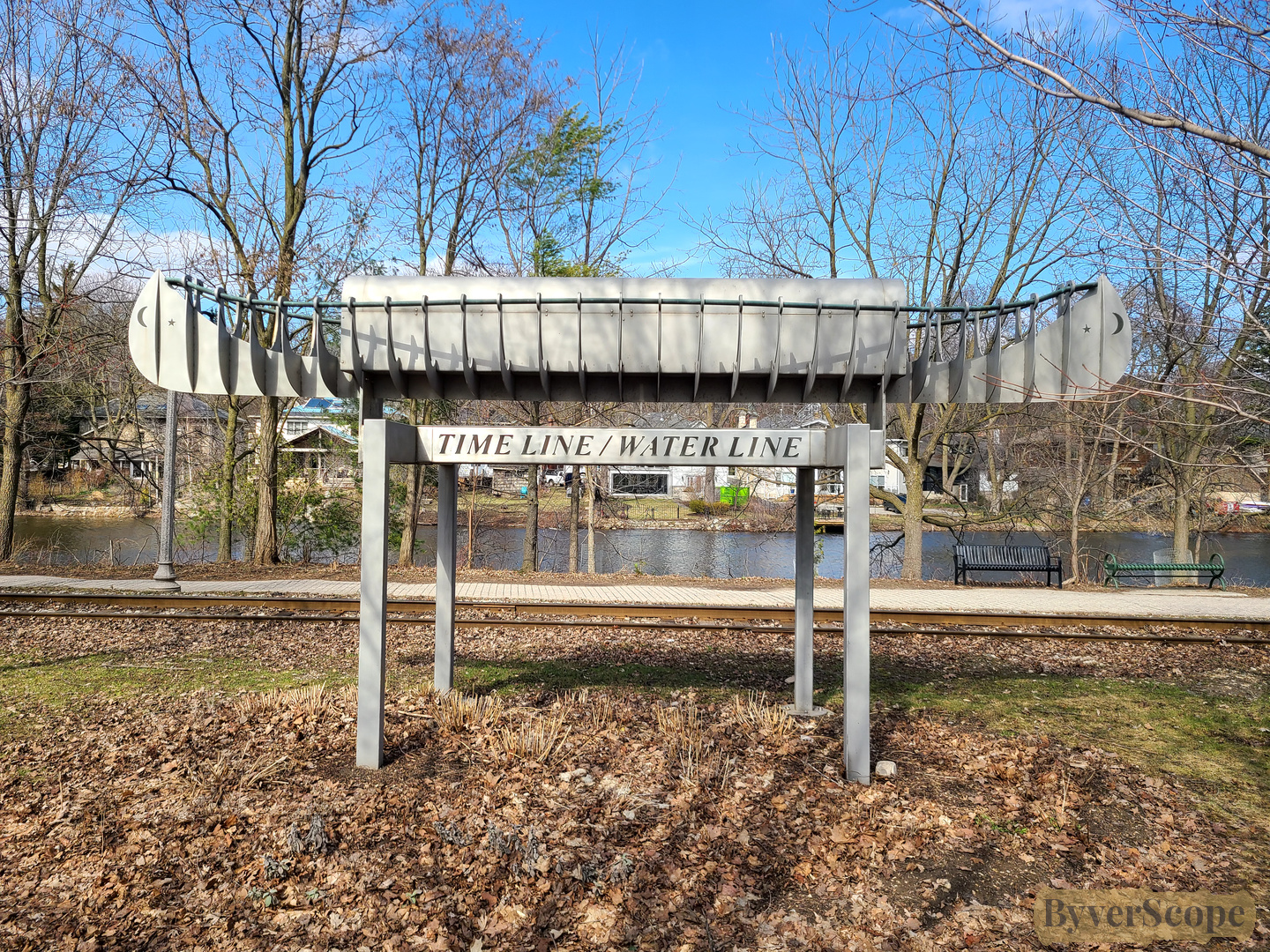
A modern metal boat sculpture titled "TIME LINE WATER LINE" sits near the riverbank, celebrating the city's relationship with its waterways.
A castle-like stone wall feature with small defensive towers accents a manicured green lawn near the downtown center.
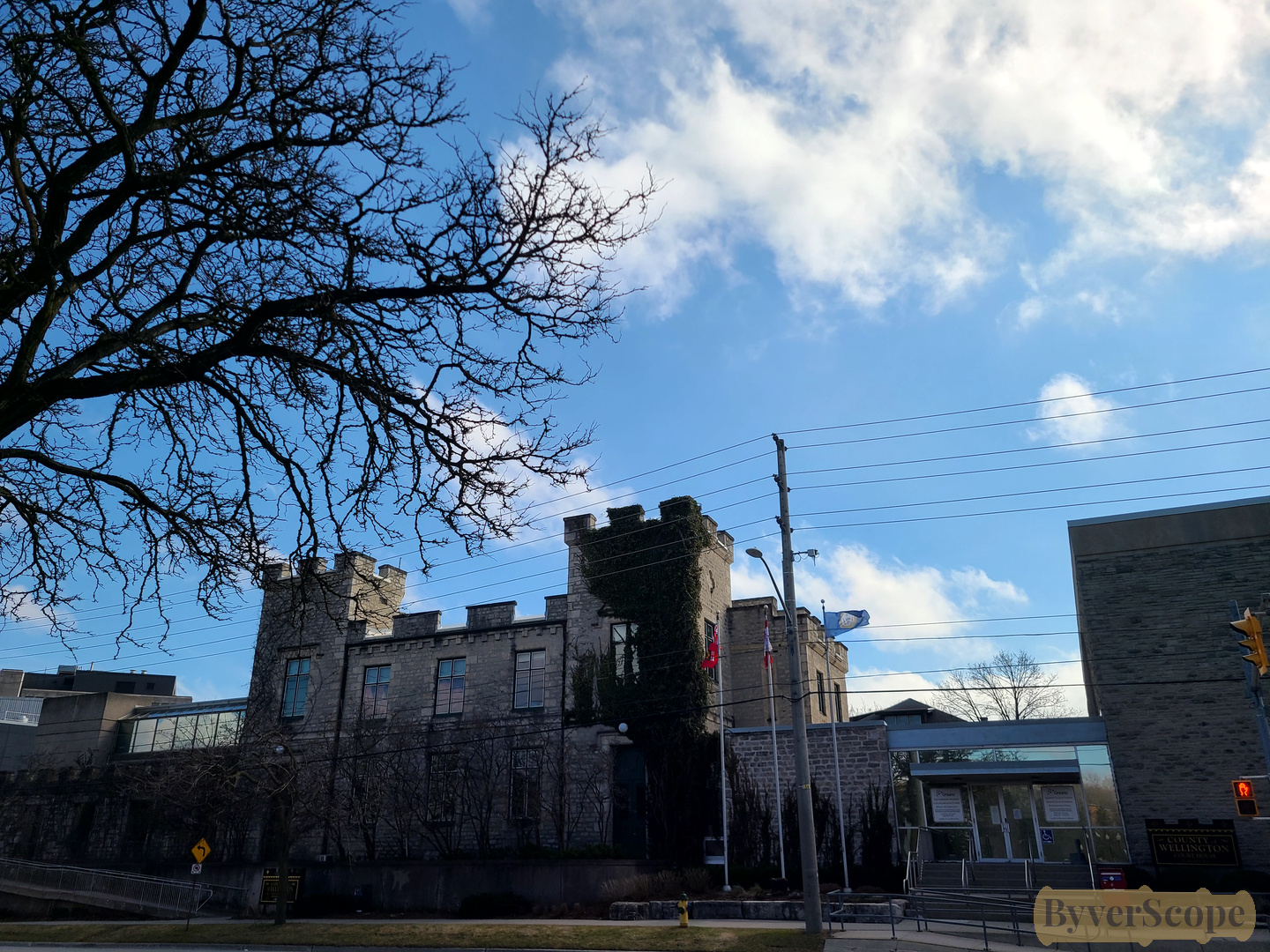
The grand, ivy-covered stone facades of the County of Wellington buildings bring a deep sense of stately history to the street.
The Speed River flows wide and peaceful through the heart of the city, flanked by a balanced mix of old trees and modern architecture.
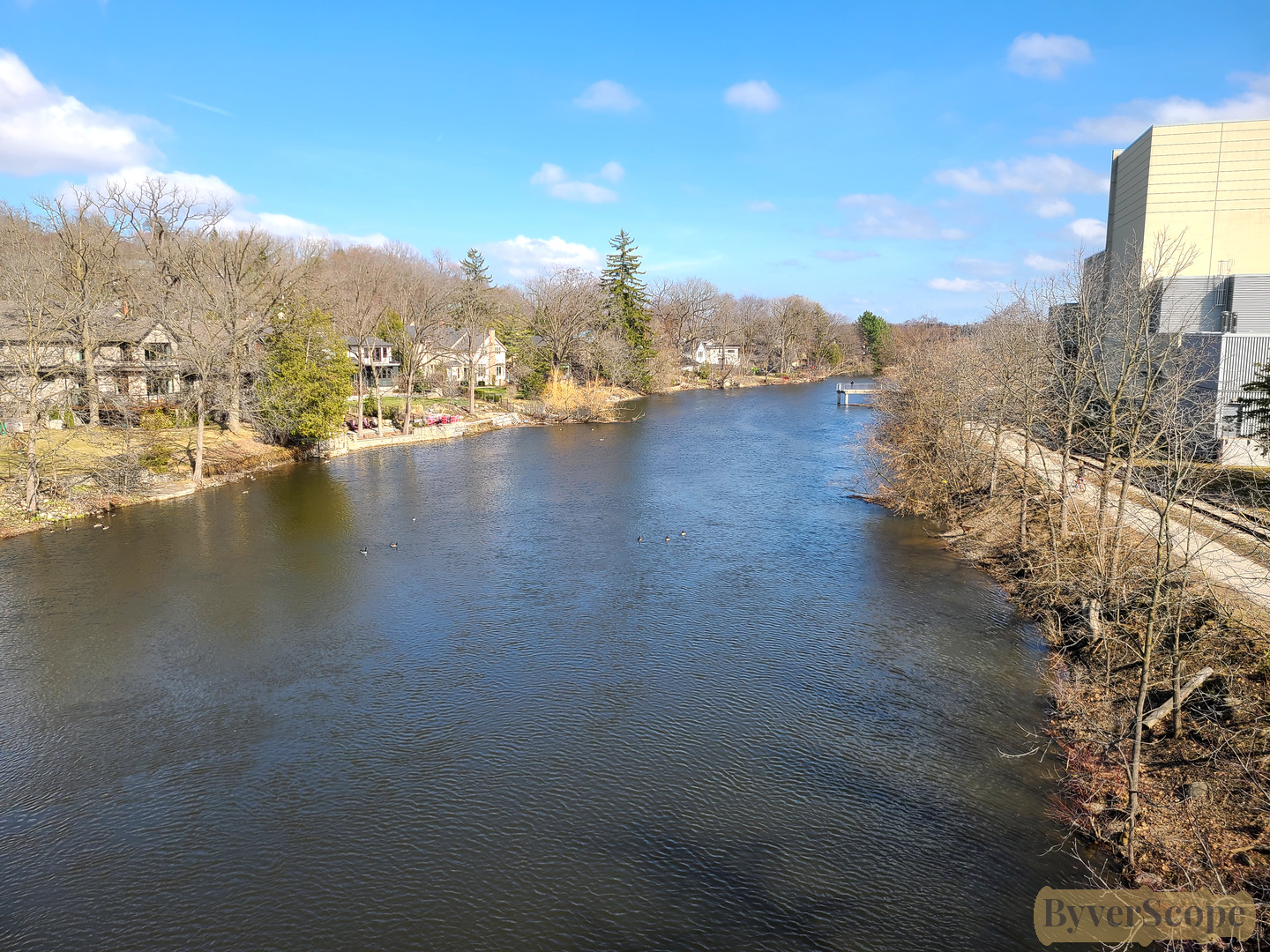
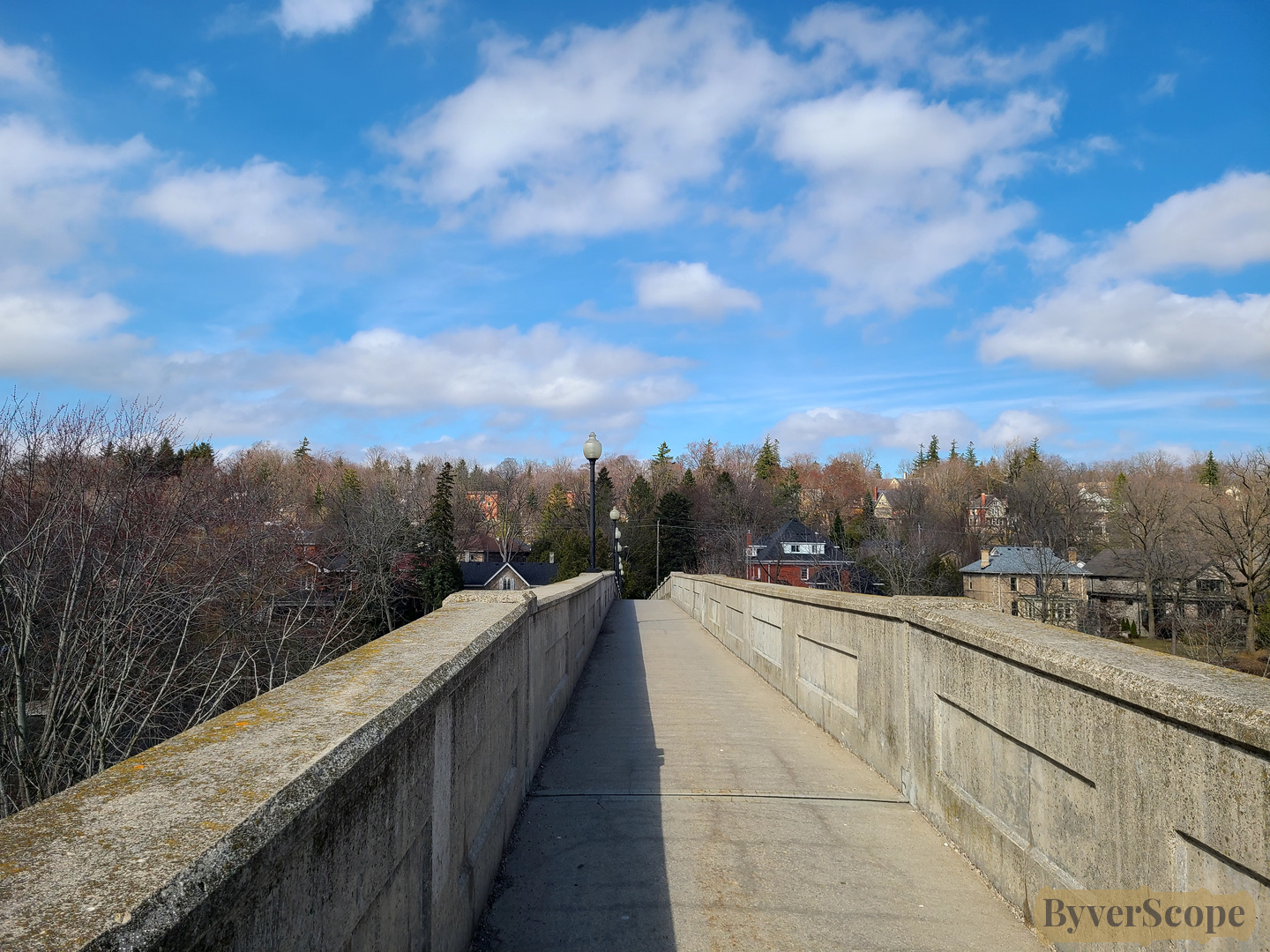
We walk across the Heffernan Street Bridge, a dedicated pedestrian walkway that offers incredible panoramic views straight down the river channel.
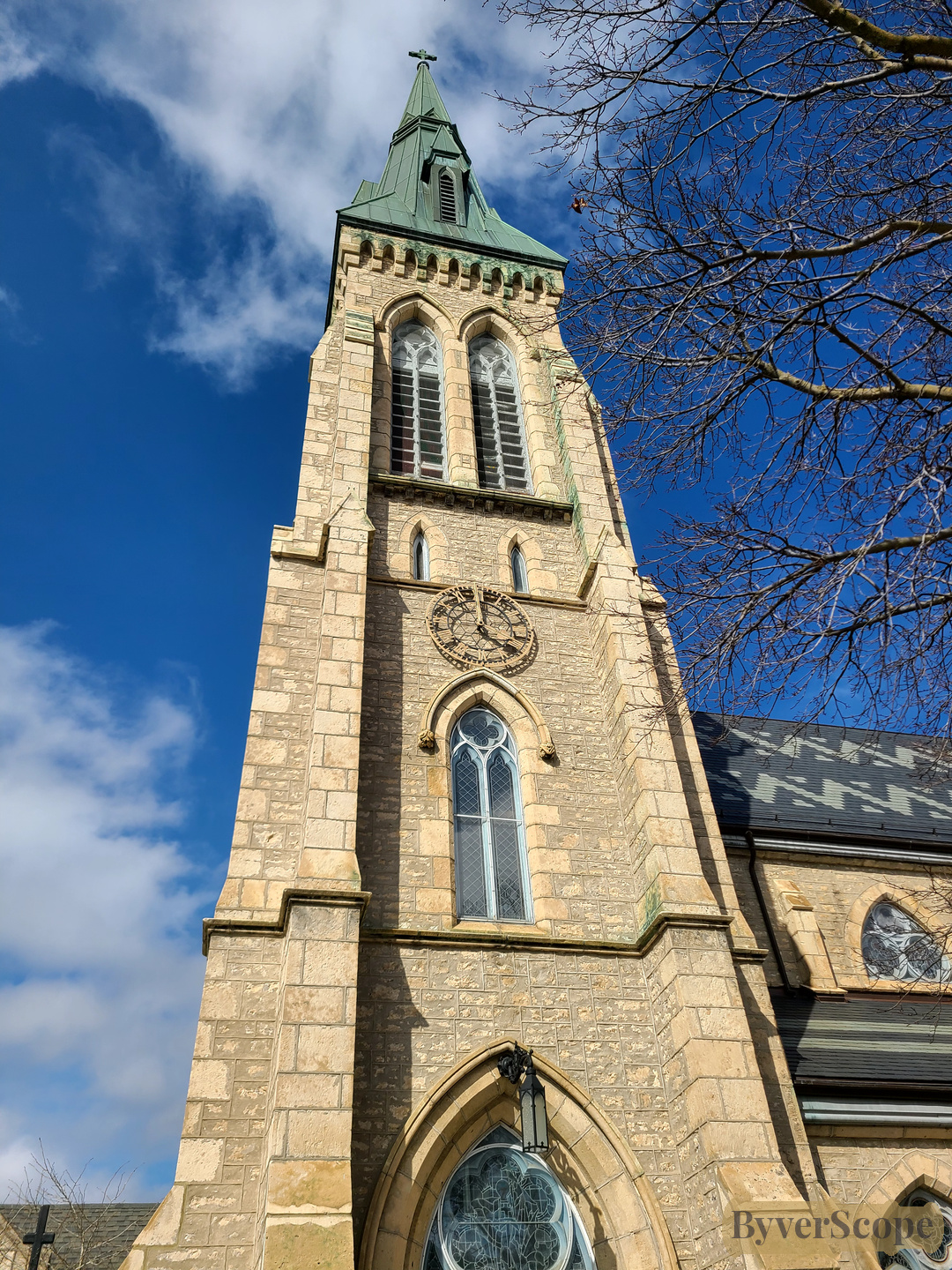
A final upward gaze at the green steeple and intricate clock face of St. George's Anglican Church framed elegantly by bare branches.
Good to Know
- Start / End Area: Start your trek near the Eramosa River Park / York Road corridor, wind through the downtown core, and finish off along the Speed River paths near the pedestrian bridges.
- Transit Notes: Guelph Central Station is highly accessible, connecting GO Transit trains and buses directly to local municipal bus lines right downtown.
- Coffee / Washroom Notes: Downtown Guelph is packed with indie coffee shops, particularly along Wyndham St and Quebec St. Public washrooms are available inside the Guelph Civic Museum and the public library.
- Timing Gotchas: The Goldie Mill Ruins are an open public park, but sections can occasionally be fenced off for private events or structural maintenance. Catholic Hill is a steep climb—save some energy for the steps up to the Basilica!
Spatial Overview
- Guelph Covered Bridge
- York Road & Church Domes
- Goldie Mill Ruins & Chimney Swift Stack
- Downtown Core & Quebec Street Shops
- Basilica of Our Lady Immaculate (Catholic Hill)
- Locomotive 6167 Display
- Allan's Mill Ruins & Spring Mill Distillery
- Heffernan Street Pedestrian Bridge
Closing
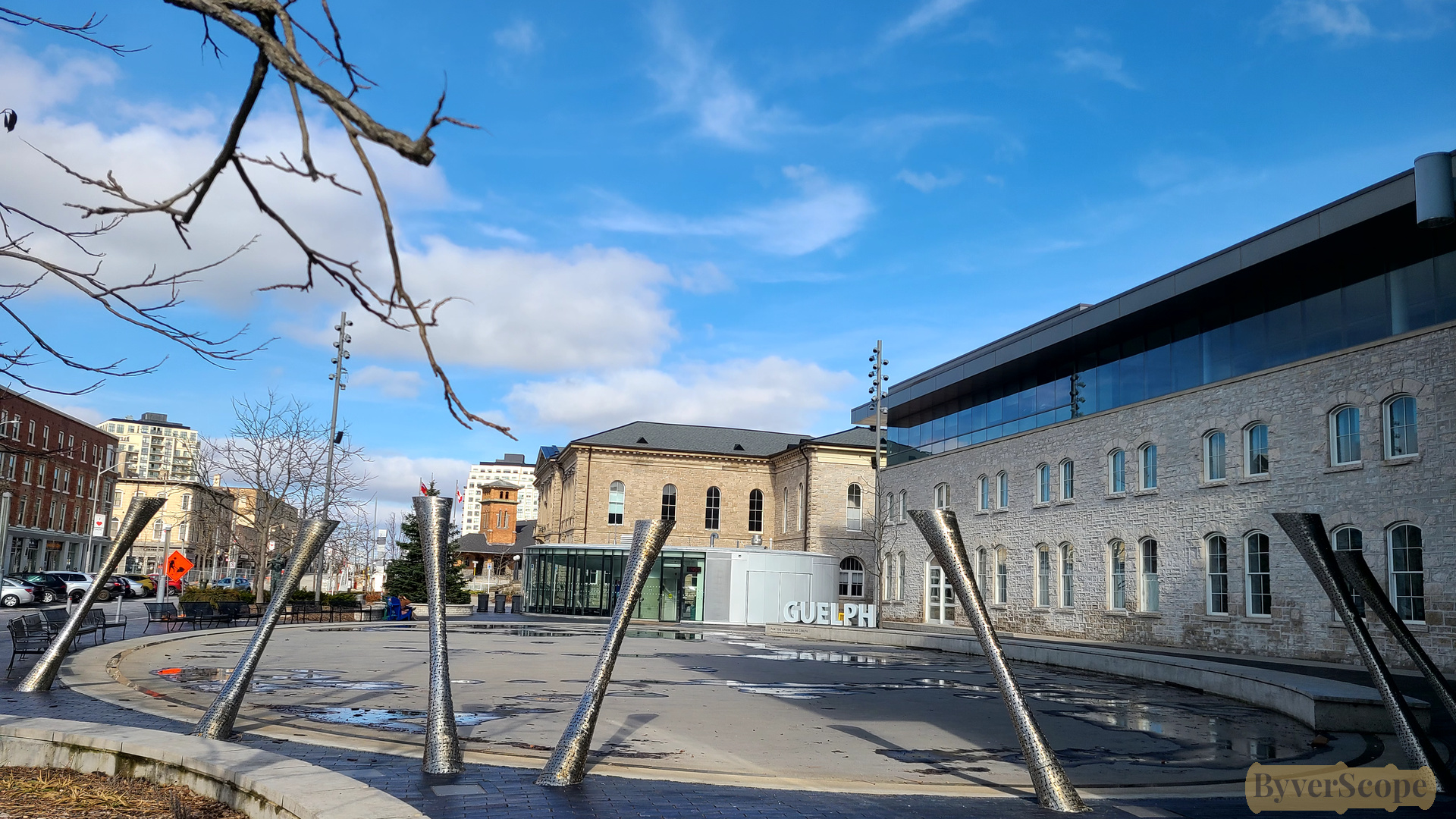
We finish our tour at the ultra-modern City Hall plaza, where sleek metal structures rise up from the wet concrete to reflect a vibrant, evolving city.
Guelph beautifully balances its heavy, industrial limestone roots with a creative, modern small-town energy. Whether you are tracking down 19th-century manufacturing history or just enjoying a quiet stroll along the river paths, the Limestone City always leaves a lasting impression.
This experience passes through:
- Guelph, Ontario → https://www.visitguelphwellington.ca
Join our newsletter
Stay updated on new areas, experiences, and travel inspiration.