Known fondly as the "Royal City," Guelph seamlessly pairs architectural history with a modern atmosphere. Situated where the Speed and Eramosa Rivers meet, this historic hub is distinct for its beautifully preserved 19th-century limestone buildings and extensive urban trail systems. It is a destination that offers a thoughtful mix of heritage landmarks, local artisan spaces, and lush botanical sanctuaries.
Guelph is situated on treaty land steeped in rich Indigenous history, serving as the traditional territory of the Mississaugas of the Credit First Nation of the Anishinaabek Peoples. Originally a neutral zone used for hunting and farming by the Attawandaron nation, the planned town was later founded on April 23, 1827, by Scottish novelist John Galt of the Canada Company. Galt deliberately arranged the streets in a distinctive radial, fan-shaped design to establish a grand headquarters for the development firm. Over the decades, local stone carvers and architects utilized the region's unique, warm-hued limestone to build a resilient architectural identity that defines the downtown core today. You can dive deeper into this heritage through the official City of Guelph History Resources or examine the designated properties listed on the municipal Register of Cultural Heritage Properties.
Walk the Limestone Core and River Trails
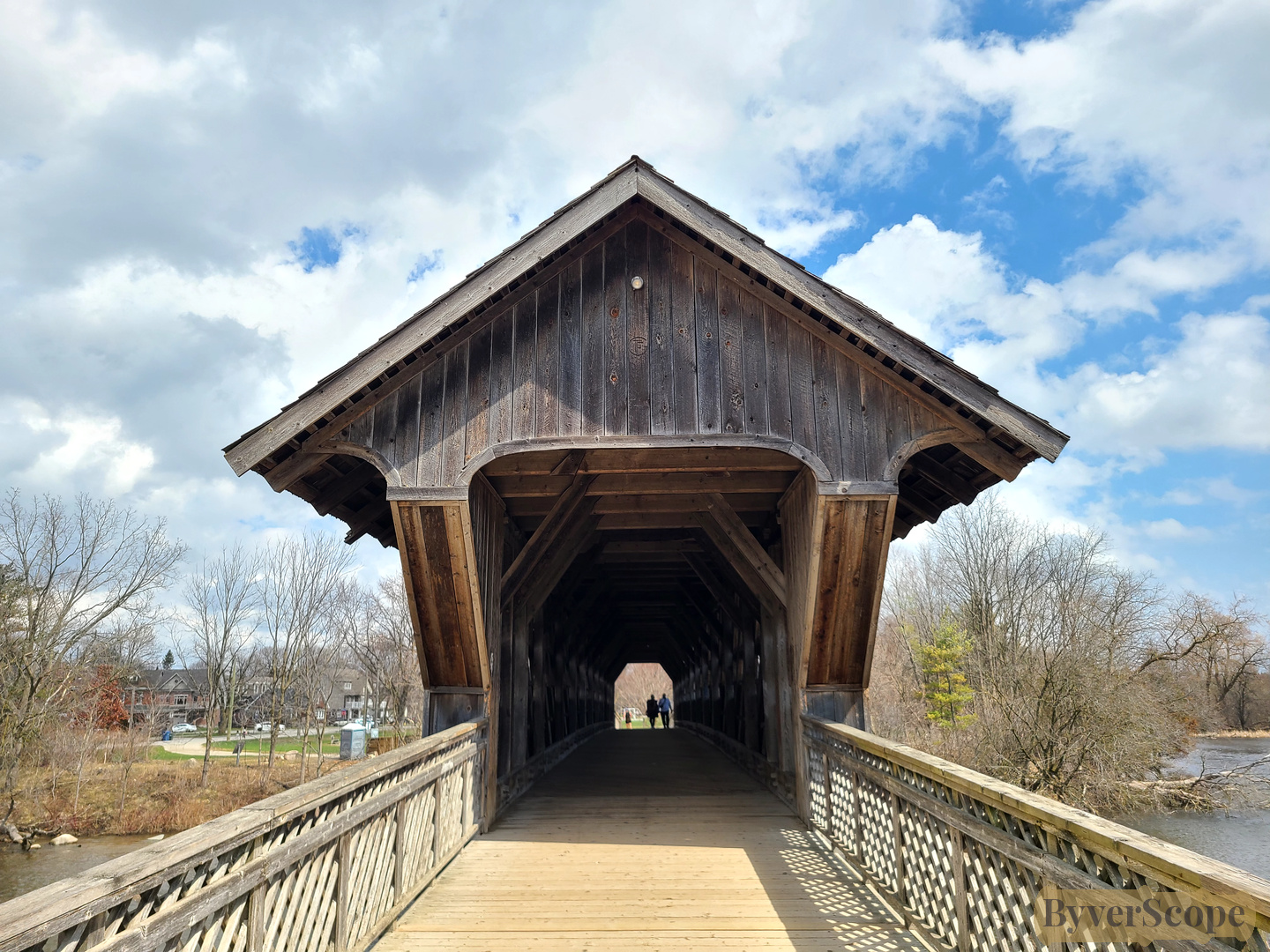
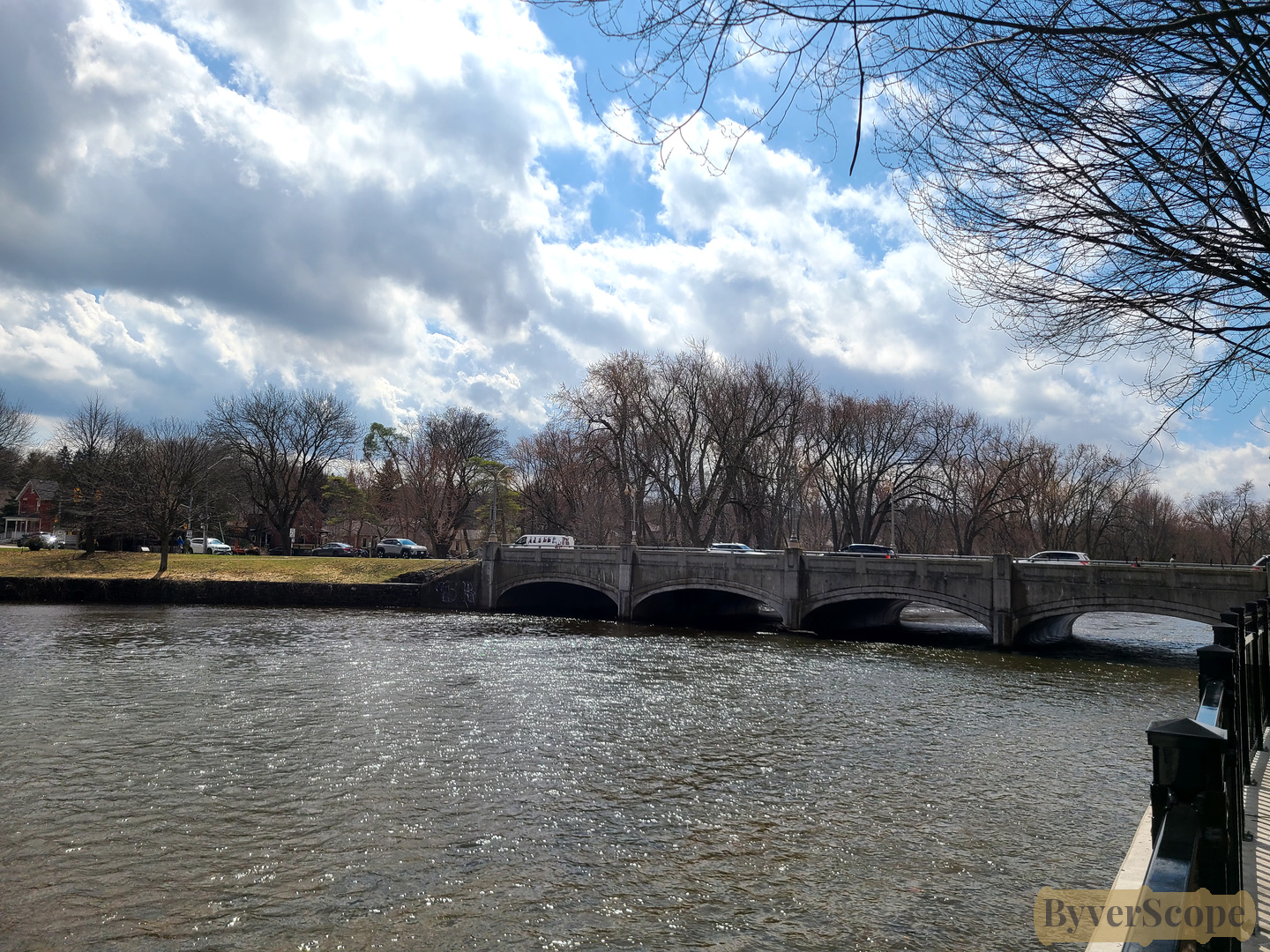
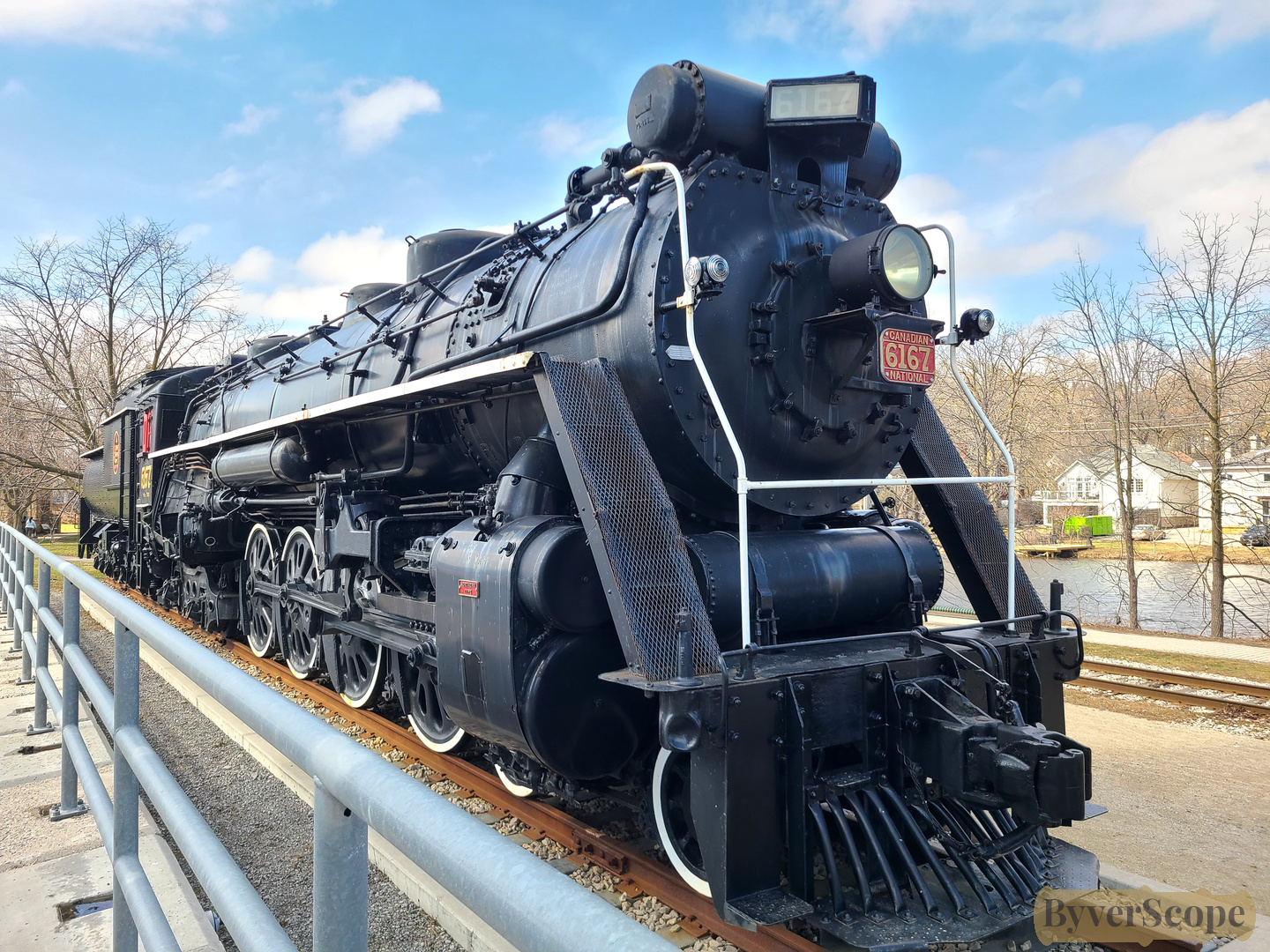
Visitor tips / Practical notes
- Best for: Walking, architecture enthusiasts, independent cafes, and hybrid indoor/outdoor days.
- Energy: Layered and relaxed. Active student presence during the school year transitions into a slower, community-focused pace over the summer.
- Good with kids: Fairly good. The parks offer plenty of green space, and Riverside Park features a nostalgic carousel and miniature train ride.
- Dog-friendly: Highly accommodating. Most public outdoor trails are excellent for leashed dogs, and there are several designated off-leash zones throughout municipal parks.
- When it works best: Late spring through autumn. Autumn is particularly beautiful as the foliage along the Speed River turns vibrant shades of orange and red.
- Safety notes: The downtown core and trail systems are generally very safe and well-traveled during daylight hours. Standard urban awareness applies after dark.
- Cost expectations: Moderate. Exploring the architecture, trails, and public arboretum is entirely free, while dining and local museum admissions are reasonably priced.
- Accessibility: Downtown features mostly flat, paved sidewalks with accessible curb cuts, though some older historic venues have steps at their entryways. Principal paths along the river are packed gravel or asphalt, making them generally accessible for mobility devices.
Nearby Areas
- Elora - Famous for its dramatic limestone gorge, historic 19th-century village charm, and active artisan shops. (25 min driving distance)
- Fergus - A scenic town deeply rooted in Scottish heritage, featuring beautiful stone architecture along the Grand River. (20 min driving distance)
- Cambridge - A composite city featuring distinct historic core districts, massive stone mills, and scenic river views perfect for heritage lovers. (25 min driving distance)
Join our newsletter
Stay updated on new areas, experiences, and travel inspiration.